
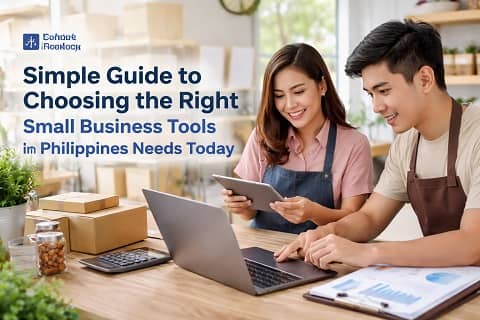
Selecting the right Small Business Tools in the Philippines entrepreneurs can depend on is essential for building an efficient and manageable operation. Many business owners struggle not because of lack of effort, but because they use tools that do not match their actual workflow. The key is to choose tools that simplify, not complicate, your daily tasks.
In the Philippine business setting, where many entrepreneurs operate with limited capital and small teams, choosing the right tools can directly affect daily productivity and long term growth. Whether you run an online shop, a small service business, or a physical store, your tools should help you save time, reduce errors, and improve customer experience.
Another important factor to consider is flexibility. Many Filipino entrepreneurs manage multiple roles at once, so your tools should allow you to switch tasks quickly without confusion. Tools that are simple, reliable, and accessible can make a big difference in how smoothly your operations run each day.
This guide is part of our complete resource on:
Tools and Systems for Running a Business in the Philippines
Table of Contents
How to Pick the Best Small Business Tools in the Philippines Entrepreneurs Should Start With
When starting or improving your systems, it is important to focus on tools that directly support your core business activities. Avoid distractions from trending apps or software that do not add real value to your operations.
Before choosing any tool, identify your daily tasks. Ask yourself what processes take the most time, such as tracking sales, responding to customers, or managing expenses. Once you identify these areas, you can select tools that directly solve those problems instead of guessing what you need.
It is also helpful to choose tools that are easy to learn and widely used locally. This makes it easier to find tutorials, support, or even hire help in the future. In the Philippines, mobile-friendly tools are especially valuable since many transactions and communications happen through smartphones.
You should also consider how your tools will grow with your business. While you should start simple, it is still important to pick tools that offer upgrade options. This prevents the need to switch systems later, which can disrupt your workflow and cause data loss.
Practical Tip
Choose tools based on your current business stage, not future plans. If you are a startup or small business, begin with basic tools that handle your immediate needs, such as invoicing, communication, and sales tracking. For example, a simple spreadsheet or free accounting app can already help you monitor income and expenses without added cost.
You can also maximize free versions of tools before upgrading. Many platforms offer free plans that are already enough for small operations. This allows you to test what works best for your business before committing financially.
This approach helps you stay lean and prevents overspending, which is especially important for Filipino entrepreneurs managing limited capital.
Common Mistake
A common mistake is choosing tools that are too advanced or expensive for your current operations. Many business owners invest in complex systems thinking it will help them grow faster, but end up not using most of the features.
Another related issue is failing to train yourself or your team on how to properly use the tools. Even simple tools can become ineffective if they are not used consistently. This can lead to incomplete records, missed follow ups, and poor decision making.
Some businesses also switch tools too frequently, hoping to find a perfect solution. This creates inconsistency and makes it harder to build a stable system. It is better to stick with reliable tools and fully understand how to use them before considering a change.
This leads to wasted money and unnecessary confusion. Instead, focus on tools that are easy to use and upgrade only when your business actually needs more advanced features.
Conclusion
Using the right Small Business Tools in the Philippines businesses rely on can make a significant difference in efficiency and growth. Start simple, focus on your real needs, and scale your tools as your business grows. By choosing practical and easy to use systems, you can build a stronger and more organized business foundation.
Consistency in using your tools is just as important as choosing them. When your systems are clear and well managed, you can make better decisions, serve customers more effectively, and grow your business with confidence.
If you want a complete roadmap for long-term success, read:
A Practical Guide to Building a Sustainable Business in the Philippines
Related Guides