

Managing business finances in the Philippines is one of the most important skills every entrepreneur must develop. Whether you run a small sari-sari store, an online business, or a registered company, your financial decisions shape your daily operations and future growth. Strong financial management helps you stay stable during challenges and take advantage of new opportunities. When you understand how money flows in and out of your business, you gain better control and confidence in every decision you make.
This complete guide will help you manage, track, and improve your business finances using practical strategies suited to the Philippine setting. You will learn how to handle income, control expenses, and build sustainable habits that support long-term growth. The goal is to give you clear and actionable steps that you can apply immediately. By following this guide, you can strengthen your financial foundation and make smarter decisions that support your business success.
Before diving deeper into managing business finances in the Philippines, it is important to avoid one of the most common mistakes beginners make, mixing personal and business money. Learn how to handle your finances properly by reading our guide on How to Separate Personal and Business Finances Properly.
Table of Contents
Top 14 Proven Guides to Business Finances in the Philippines

1. Why Business Finances Matter in the Philippines
Many businesses in the Philippines fail not because of poor products or services but because of weak financial management. Without proper control of income and expenses, even profitable businesses can struggle to survive. Understanding how your money works helps you stay stable and make better decisions.
When you understand your finances, you can:
- Control your cash flow
- Avoid unnecessary debt
- Make smarter investments
- Prepare for emergencies
- Grow your business sustainably
In the Philippine setting, where costs, taxes, and competition can change quickly, strong financial discipline is essential. It helps you stay prepared, reduce risks, and build a business that can grow steadily over time.
2. Understanding the Basics of Business Finances
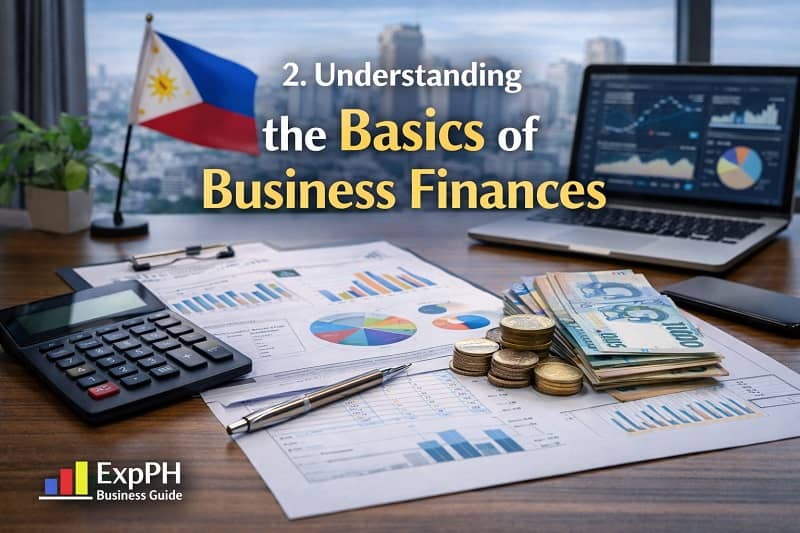
Before moving to advanced strategies, you need to understand the core components of business finances. These basics help you track money accurately and make better decisions. When you clearly see how income, expenses, and profit work together, managing your business becomes more organized and effective.
Income (Revenue)
Income is the total amount your business earns from selling products or providing services. It reflects how well your business generates money and supports daily operations.
Expenses
Expenses are the costs required to run your business. These include:
- Rent
- Utilities
- Salaries
- Inventory
- Transportation
- Taxes
Profit
Profit is what remains after all expenses are deducted from your income. It shows how much your business actually earns.
Simple formula:
Profit = Income minus Expenses

3. Setting Up Your Business Finances Properly
Setting up your business finances correctly from the beginning helps you avoid costly mistakes later. A clear financial structure makes tracking easier and supports better decision-making. When your system is organized early, you reduce stress and build a stronger foundation for long-term business growth.
Separate Personal and Business Money
One of the most common mistakes in the Philippines is mixing personal and business funds. This creates confusion and makes it harder to track expenses, profits, and obligations accurately. Keeping them separate improves clarity and financial control.
Open a dedicated business bank account so you can:
- Build financial discipline
- Track transactions clearly
- Avoid confusion during tax filing

4. Choose the Right Business Structure
Your business structure affects your financial responsibilities, taxes, and level of risk. Choosing the right setup helps you manage finances properly and protect your assets. It also determines how you report income and comply with government requirements in the Philippines.
Your financial responsibilities depend on your setup:
- Sole Proprietorship (simplest, but with personal liability)
- Partnership
- Corporation (more complex, but offers better protection)
Each structure has different tax obligations and reporting requirements, so it is important to choose one that fits your business goals and financial capacity.
5. Register with Government Agencies
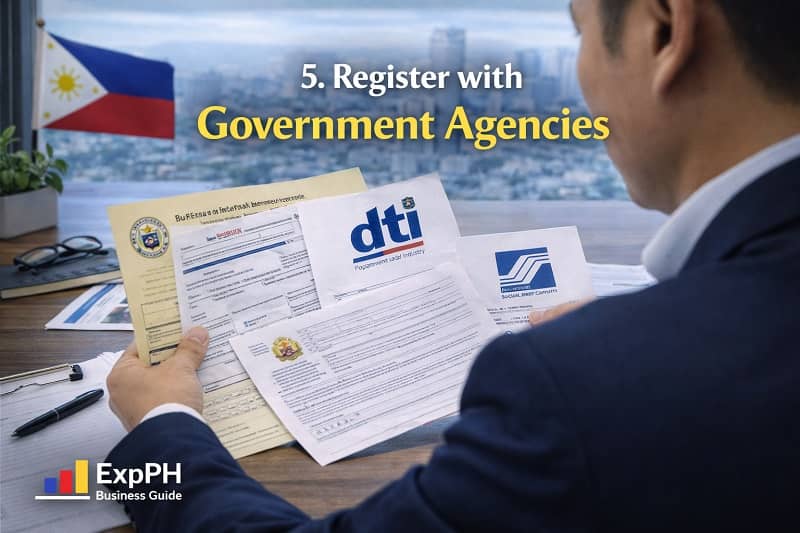
To operate legally and manage your business finances properly, you need to register with the appropriate government agencies. This ensures compliance with Philippine laws and allows you to track taxes and financial obligations accurately. Proper registration also builds credibility and trust with customers and partners.
Register your business with:
- DTI or SEC
- BIR
- Local government unit
For official tax rules and updates, always refer to the Bureau of Internal Revenue website to stay compliant and avoid penalties.

6. Managing Cash Flow Effectively
Cash flow refers to the movement of money in and out of your business. It shows how well you manage daily operations and financial obligations. Maintaining steady cash flow ensures you can cover expenses, pay suppliers, and keep your business running smoothly without disruptions.
Why Cash Flow is Critical
Even profitable businesses can fail if they run out of cash. Without available funds, you may struggle to pay bills or continue operations. Strong cash flow management helps you stay stable, avoid financial stress, and handle unexpected challenges with greater confidence.
Tips to Improve Cash Flow
To maintain healthy cash flow, focus on consistent tracking and smart financial habits. Simple actions can prevent shortages and improve stability over time.
- Maintain a cash reserve
- Track daily income and expenses
- Avoid overstocking inventory
- Collect payments on time
- Negotiate better payment terms with suppliers
7. Budgeting for Your Business
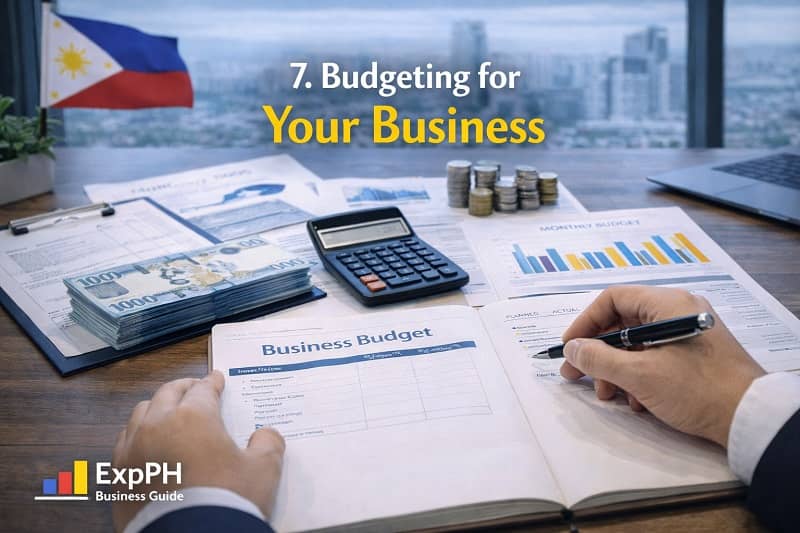
A budget helps you control spending and plan for business growth. It provides a clear view of your income and expenses so you can make better financial decisions. With a proper budget, you avoid overspending and manage your resources more efficiently over time.
How to Create a Simple Budget
Creating a simple budget starts with organizing your finances and tracking how money is earned and spent. This helps you stay consistent and make adjustments when needed. A clear process allows you to manage your business more effectively.
- Estimate monthly income
- List all expenses
- Allocate funds for each category
- Monitor actual versus planned spending
Recommended Budget Allocation
A basic budget guide can help you divide your funds properly. While amounts may vary, having a structure improves financial control and planning.
- 10 percent for emergencies
- 40 to 50 percent for operations
- 20 to 30 percent for inventory or production
- 10 to 20 percent for savings or reinvestment

8. Business Taxes in the Philippines
Understanding taxes is essential for compliance and proper financial planning. It helps you avoid penalties and manage your obligations with confidence. When you know how taxes work, you can prepare accurate records and make better decisions that support your business stability and long-term growth.
Common Taxes for Businesses
Businesses in the Philippines are required to pay different types of taxes depending on their structure and size. Knowing these helps you stay compliant and avoid issues with authorities.
- Income Tax
- Percentage Tax or VAT
- Withholding Tax
Simple Tax Tips
Following basic tax practices can help you stay organized and reduce stress during filing periods. Consistency and proper record keeping are key to managing taxes effectively.
- Use accounting software if possible
- Keep all receipts and invoices
- File on time to avoid penalties
- Consider hiring an accountant

9. Tracking Your Finances
You cannot improve what you do not track. Monitoring your finances helps you understand where your money goes and how your business performs. Regular tracking allows you to identify issues early, control expenses, and make informed decisions that support steady business growth.
Manual vs Digital Tracking
You can start with simple tools or move to digital systems as your business grows. The most important factor is consistency in recording transactions. Choose a method that fits your workflow and helps you stay organized.
You can start with:
- Notebook or ledger
- Spreadsheet (Excel or Google Sheets)
- Accounting software
Key Financial Records to Maintain
Keeping accurate records ensures better tracking and smoother financial management. It also helps during tax filing and business evaluation.
- Cash flow statements
- Sales records
- Expense records
- Inventory logs

10. Managing Business Debt Wisely
Debt is common in Philippine businesses, but it must be managed carefully. When used properly, it can support growth and expansion. However, poor debt decisions can lead to financial strain. Understanding how to control borrowing helps protect your business and maintain long-term stability.
Good Debt vs Bad Debt
Not all debt is harmful. The impact depends on how you use it and your ability to repay.
- Good debt helps grow your business
- Bad debt creates unnecessary burden
Tips for Smart Borrowing
Making smart borrowing decisions helps you avoid financial problems and maintain control over your obligations. Careful planning ensures debt supports your business instead of harming it.
- Use loans for income-generating activities
- Borrow only what you can repay
- Compare interest rates
- Avoid multiple loans at once

11. Saving and Reinvesting Profits
Do not spend all your profits. Setting aside a portion allows you to build stability and prepare for future opportunities. Saving also helps protect your business during slow periods. A disciplined approach ensures your earnings support long-term growth instead of short-term spending.
Why Reinvestment is Important
Reinvesting your profits helps strengthen and expand your business over time. It allows you to improve operations and increase your earning potential.
Reinvesting helps you:
- Expand operations
- Improve products or services
- Increase long-term income
Where to Reinvest
Choosing the right areas to reinvest ensures your money supports growth and efficiency. Focus on investments that bring long-term value.
- Technology
- Marketing
- Equipment
- Staff training

12. Using Technology for Better Financial Management
Technology makes managing business finances in the Philippines easier and more accurate. Digital tools help you track transactions, monitor cash flow, and organize records efficiently. Using technology reduces manual work and improves consistency, allowing you to focus more on growing your business.
Helpful Tools
There are several tools available to simplify financial management and improve daily operations. Choosing the right tools helps you stay organized and efficient.
- Accounting software
- Mobile banking apps
- E-wallets for transactions
- Inventory management systems
Benefits of Going Digital
Going digital offers clear advantages for managing your finances. It improves accuracy and saves time while giving better control over your business data.
- Easier tax preparation
- Faster tracking
- Reduced errors
- Better financial insights

13. Common Financial Mistakes to Avoid
Many Filipino entrepreneurs face financial problems due to common mistakes that can be prevented. These issues often affect cash flow, planning, and overall stability. Recognizing these mistakes early helps you manage your finances better and avoid unnecessary risks that can harm your business.
Many entrepreneurs fall into these traps:
- Mixing personal and business funds
- Not tracking expenses
- Ignoring taxes
- Overspending during good months
- Lack of emergency funds
Avoiding these mistakes can greatly improve your financial stability. Better habits and consistent discipline will help you maintain control and build a stronger foundation for long-term business success.

14. Building Financial Discipline
Success in business finances is not only about earning more, but about managing money wisely. Strong financial discipline helps you stay consistent, avoid unnecessary risks, and make better decisions. When you control how money is used, your business becomes more stable and prepared for growth.
Habits to Develop
Developing good financial habits improves your ability to manage money effectively. Simple and consistent actions can create long-term stability and better control over your finances.
- Plan before making big decisions
- Review finances weekly
- Save consistently
- Spend with purpose

Final Thoughts on Business Finances in the Philippines
Mastering business finances in the Philippines is not complicated, but it requires consistency, discipline, and the right mindset. When you manage your finances well, you gain better control over your operations and make smarter decisions that support long-term growth and stability.
When you:
- Track your money
- Control your expenses
- Plan your growth
- Stay compliant with taxes
You build a strong financial foundation that supports long-term success. No matter the size of your business, good financial management remains one of your most important advantages for sustained growth.

FAQs About Business Finances in the Philippines
What are business finances in the Philippines?
Business finances in the Philippines refer to managing income, expenses, taxes, and cash flow to maintain operations, ensure compliance, and support sustainable business growth over time.
Why is financial management important for businesses?
Financial management helps businesses control spending, track performance, avoid debt, and plan growth. It ensures stability and supports better decision making in daily operations and long term strategies.
How can I separate personal and business finances?
Open a dedicated business bank account, record all transactions properly, and avoid using personal funds for business expenses to maintain clear financial tracking and accurate reporting.
What are common financial mistakes in businesses?
Common mistakes include mixing funds, not tracking expenses, ignoring taxes, overspending, and lacking emergency savings. These issues can lead to financial instability and poor business decisions.
What taxes do businesses need to pay in the Philippines?
Businesses may need to pay income tax, percentage tax or VAT, and withholding tax, depending on their size, structure, and type of business operations in the Philippines.
How can I improve my business cash flow?
Track daily transactions, collect payments on time, control expenses, avoid overstocking, and maintain a reserve fund to ensure your business always has enough operating cash.
What tools can help manage business finances?
You can use accounting software, spreadsheets, mobile banking apps, and inventory systems to track finances, organize records, and improve accuracy in managing business transactions efficiently.
How much should I save from business profits?
Save a portion of your profits regularly, ideally allocating funds for emergencies, reinvestment, and future growth, based on your business needs and financial goals.
Is it necessary to hire an accountant?
Hiring an accountant is helpful for managing taxes, ensuring compliance, and improving financial accuracy, especially as your business grows and financial transactions become more complex.
How can I build financial discipline in my business?
Build discipline by tracking finances regularly, saving consistently, planning expenses carefully, and making informed decisions that support long term business stability and financial growth.
Want to turn your finances into long-term success?
Read our complete guide, A Practical Guide to Building a Sustainable Business in the Philippines, and learn how to manage, grow, and sustain your business the right way.
Explore more practical guides to improve your business finances in the Philippines:
- Cash Flow Management Tips for Small Businesses in the Philippines
- Loans and Financing Options for Small Businesses in the Philippines
- Business Bank Accounts in the Philippines: What You Need to Know
- Understanding Basic Business Taxes in the Philippines
HD Quiz Hub!
Test your knowledge about managing business finances in the Philippines. This quiz will help you review key concepts and improve your understanding of financial management for business success.
Results


#1. What is business finance?
#2. What does cash flow mean?
#3. Why separate personal funds?
#4. What is a business expense?
#5. What is profit?
#6. Which improves cash flow?
#7. Why is budgeting important?
#8. Which is a common tax?
#9. What is good debt?
#10. Why use financial tools?
Thanks for taking the quiz!
Share your score or experience in the comments and let others know how you did.