Starting and managing a business in the Philippines can be exciting, but it often becomes challenging without the right tools and systems. Many entrepreneurs struggle with organization, time management, and daily operations when they lack proper structure. Whether you are a startup founder, freelancer, or small business owner, using reliable systems helps you stay on track and reduce stress. With the right setup, you can work more efficiently, make better decisions, and focus on growing your business instead of handling constant problems.
In this guide, you will learn about the most important business tools in the Philippines, covering areas such as registration, accounting, marketing, and daily operations. Each section is designed to be practical and easy to understand, especially for beginners who are still building their foundation. The recommendations focus on tools that fit the local business environment, so you can apply them immediately. By the end, you will have a clearer idea of how to build a simple but effective system for your business.
If you want a quick overview, check out our guide on Essential Digital Tools Every Small Business Should Use in the Philippines to get started with the right tools for your business.
Table of Contents
Why You Need Business Tools and Systems
Running a business without clear systems often leads to confusion, missed deadlines, and costly financial mistakes. The right tools help you stay organized, maintain control, and operate more efficiently as your responsibilities grow over time.
Good tools help you:
- Track income and expenses accurately
- Manage customers and sales effectively
- Stay compliant with government requirements
- Improve productivity and decision-making
When you treat your business as a structured system, daily operations become easier to manage. This approach also supports long-term growth and makes scaling your business more predictable and less stressful.
Essential Business Registration and Compliance Tools
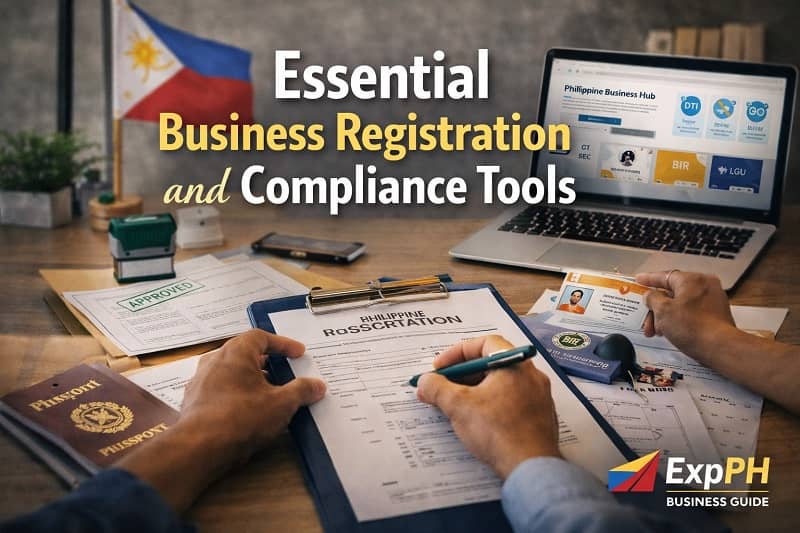
Before starting operations, your business must be legally registered and compliant with Philippine regulations. Proper registration protects your business and allows you to operate without issues. It also builds credibility and ensures you meet all required government standards from the beginning.
Business Registration Platforms
To operate legally, you need to register your business with the correct government agencies. Each agency handles a specific part of your registration, so completing all requirements is important for full compliance.
- DTI (for sole proprietors)
- SEC (for corporations and partnerships)
- BIR (for tax registration)
- Local Government Units (Barangay and Mayor’s Permit)
You can begin your registration through the official Philippine Business Hub: https://business.gov.ph
This platform simplifies the process and helps reduce delays by guiding you through each required step.
Compliance Tracking System
After registration, you must monitor important deadlines to stay compliant and avoid penalties. Missing even one requirement can result in fines or legal issues, so consistent tracking is essential.
- Monthly and quarterly tax filings
- Annual registration renewal
- Business permit renewals
You can use simple tools like Google Calendar or task management apps to track deadlines and receive reminders. This helps you stay organized and maintain compliance throughout the year.
Top 8 Tools and Systems for Running a Business in the Philippines
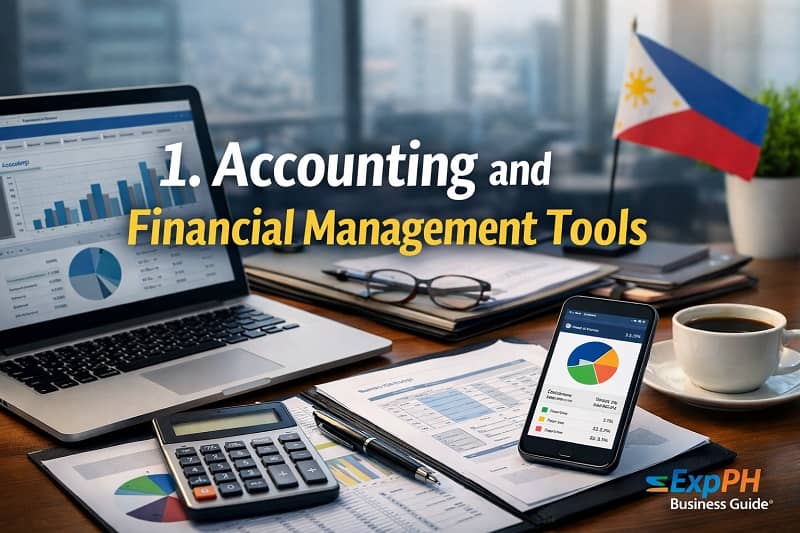
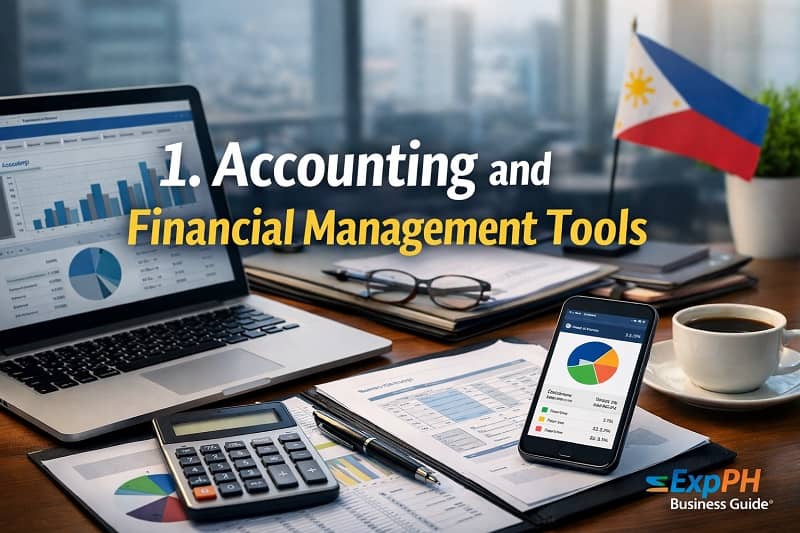
1. Accounting and Financial Management Tools
Managing your finances is one of the most important parts of running a business. Without proper tracking, it becomes difficult to control expenses, monitor profits, and make informed decisions. A clear financial system helps you stay organized and avoid costly mistakes over time.
Accounting Software for Philippine Businesses
Using reliable accounting software makes financial management easier and more accurate. These tools help automate records and simplify reporting, especially as your business grows and transactions increase.
- QuickBooks Online
- Xero
- JuanTax (Philippine-focused)
These tools help you:
- Record transactions
- Generate financial reports
- Prepare tax data
If you are just starting, a well-organized Excel or Google Sheets system can still work effectively.
Expense and Budget Tracking
Tracking your cash flow is essential for maintaining control of your business finances. Without proper monitoring, it is easy to overspend or lose track of important expenses.
- Google Sheets for manual tracking
- Mobile apps like Money Manager
- Built-in accounting software dashboards
The goal is simple, always know where your money goes so you can plan better and avoid financial problems.
2. Sales and Customer Management Systems
Customers are the foundation of any business, so managing them properly is essential for growth and long-term success. Without a clear system, it becomes harder to track sales, understand customer behavior, and maintain strong relationships that keep people coming back.
Point of Sale (POS) Systems
If you run a physical store, using a POS system helps you manage daily sales and operations more efficiently. These tools provide real-time data and improve overall control of your business.
- Loyverse POS
- StoreHub
- Vend
These systems help you:
- Monitor staff performance
- Track sales in real time
- Manage inventory
Customer Relationship Management (CRM)
CRM tools help you organize customer data and improve communication with leads and existing clients. This allows you to build stronger relationships and increase repeat sales.
- HubSpot CRM
- Zoho CRM
Even a simple spreadsheet can work at the beginning, as long as you consistently track customer details and follow up regularly.
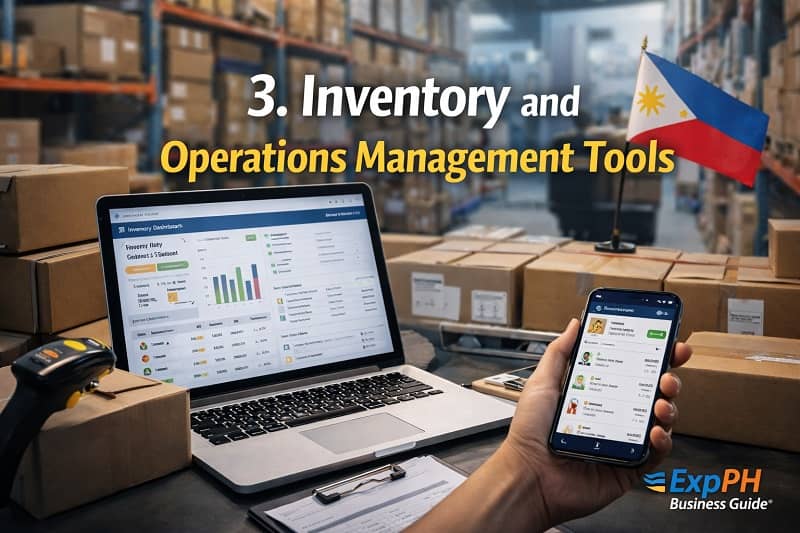
3. Inventory and Operations Management Tools
If your business handles products, you need systems to track stock and manage daily operations. Without proper tools, you may face shortages or excess inventory that affects profits. A structured system helps maintain balance and ensures smooth business operations.
Inventory Management
Using inventory tools helps you control stock levels and avoid common problems like overstocking or running out of products. These systems provide better visibility and support smarter planning decisions.
- inFlow Inventory
- TradeGecko (QuickBooks Commerce)
These tools help you:
- Monitor stock levels
- Track suppliers
- Forecast demand
Project and Task Management
To stay organized, you need tools that help manage tasks and deadlines. These platforms improve workflow and make it easier to coordinate with your team.
- Trello
- Asana
- ClickUp
These tools help you manage tasks, track deadlines, and improve team collaboration for better productivity.
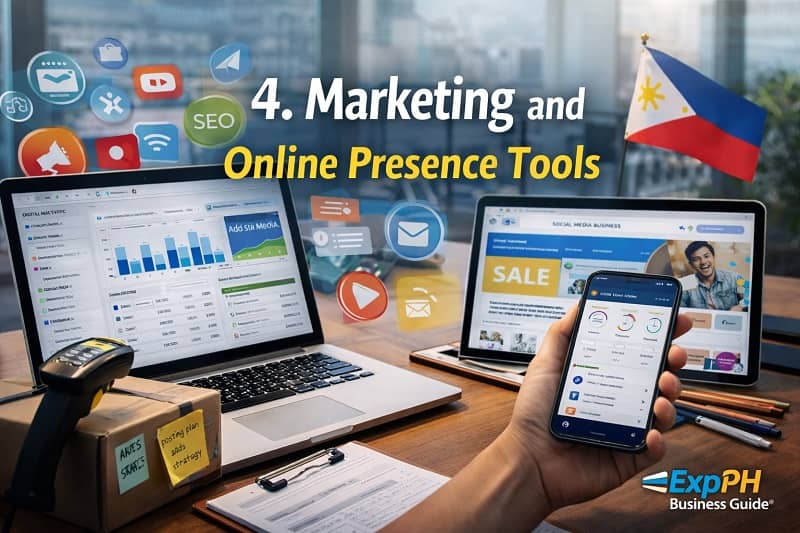
4. Marketing and Online Presence Tools
In today’s digital environment, your online presence plays a major role in business success. Customers often search online before making decisions, so visibility matters. A strong digital setup helps you reach more people, build trust, and grow your brand consistently over time.
Social Media Management
Filipino customers are very active online, especially on Facebook and TikTok. Using management tools helps you stay consistent and monitor results without spending too much time on manual posting.
- Meta Business Suite
- Buffer
- Hootsuite
These tools help you:
- Schedule posts
- Track performance
Website and SEO Tools
For long-term growth, having a website is important. It gives your business credibility and allows customers to find you through search engines.
- WordPress (best for flexibility)
- Canva (for graphics and marketing materials)
- Google Analytics (for tracking visitors)
SEO tools help improve your rankings and attract organic traffic from people searching online.
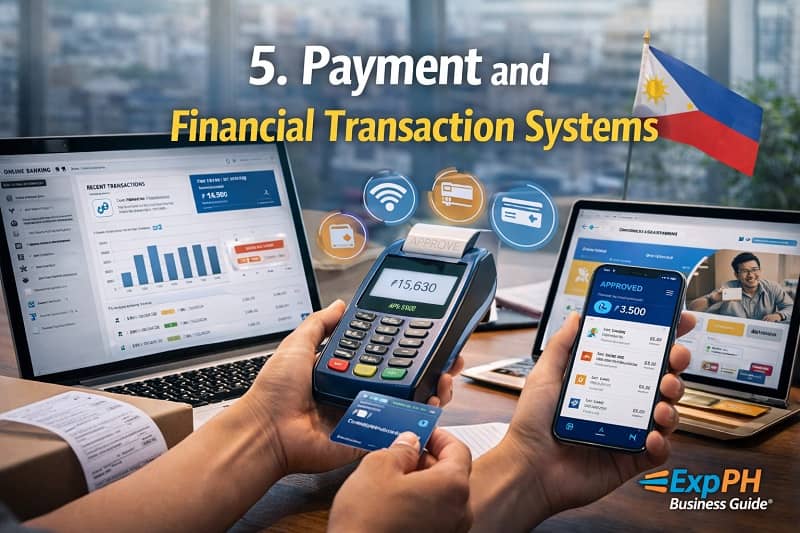
5. Payment and Financial Transaction Systems
Making it easy for customers to pay you can directly increase your sales. When payment options are simple and accessible, customers are more likely to complete their purchases. A smooth payment system also improves trust and overall customer experience.
Digital Payment Options in the Philippines
Offering multiple payment methods helps you reach more customers and avoid missed sales opportunities. Many Filipinos prefer digital payments, so flexibility is important for any business.
- GCash
- Maya
- Bank transfers
- Online payment gateways like PayMongo
These tools are widely used in the Philippines and improve customer convenience by making transactions faster and easier.
6. Communication and Team Collaboration Tools
Clear communication is essential for smooth business operations, especially when working with a team. Without proper tools, misunderstandings and delays can happen easily. A reliable communication system helps everyone stay aligned, share updates quickly, and complete tasks more efficiently.
Internal Communication Tools
Using the right communication platforms helps your team stay connected and respond quickly to daily needs. These tools are widely used and easy to manage for most businesses.
- Slack
- Microsoft Teams
- Facebook Messenger (common in PH businesses)
File Sharing and Storage
File storage tools allow you to keep documents organized and accessible at any time. They also make collaboration easier by letting multiple users view and edit files when needed.
- Google Drive
- Dropbox
These tools help you store documents securely and collaborate in real time without confusion.
7. How to Choose the Right Business Tools
Not all tools are necessary at the start of your business. Choosing too many can create confusion and slow down your workflow. Focus on what your business truly needs first, then expand your tools as your operations grow and become more complex.
Focus on These First
Start with essential tools that support your daily operations and help you maintain control over your business activities.
- Accounting and finance tracking
- Sales and customer management
- Basic marketing tools
Then Upgrade Gradually
As your business grows, you can invest in more advanced tools that improve efficiency and support expansion.
- Automation tools
- Advanced analytics
- Integrated systems
Always choose tools that are simple to use and can scale with your business over time.
8. Common Mistakes to Avoid
Many business owners choose tools without a clear plan, which leads to inefficiency and confusion. Avoiding common mistakes helps you save time, reduce costs, and maintain smooth operations. A simple and focused approach often works better than trying to manage too many systems at once.
- Using too many tools at once
- Ignoring financial tracking
- Choosing complicated systems they do not understand
- Not training their team properly
Keep your setup simple at the start, then improve your systems step by step as your business grows.
Final Thoughts on Business Tools in the Philippines
Using the right business tools in the Philippines can greatly improve how you manage and grow your business. These tools help you stay organized, reduce manual work, and make smarter decisions based on accurate data. Instead of relying on guesswork, you can build a structured system that supports daily operations and long-term planning with greater confidence.
Start with the essentials such as business registration, accounting, and sales tracking. These areas form the foundation of a stable operation. As your business grows, gradually add tools that improve efficiency and automation. Over time, this step-by-step approach helps you build a smooth system that can handle increased workload without confusion.
When you treat your business as a system, everything becomes easier to manage. Tasks are more organized, processes are clearer, and growth becomes more predictable. This mindset allows you to scale with confidence while maintaining control over your operations.
FAQs About Business Tools in the Philippines
What are the most important business tools in the Philippines?
The most important tools include accounting software, payment systems, marketing platforms, and communication tools, which help manage finances, operations, and customer relationships efficiently every day.
Why are systems important for small businesses in the Philippines?
Systems help organize tasks, reduce errors, and improve efficiency. They allow small business owners to manage operations better, save time, and focus on growth and stability.
Do I need accounting software to run a business in the Philippines?
Accounting software is not required, but it is highly recommended. It helps track income, manage expenses, and prepare accurate financial reports for better decision-making.
What is the best payment method to offer customers in the Philippines?
Offering multiple payment methods like GCash, Maya, bank transfers, and online gateways ensures convenience, increases trust, and helps customers complete transactions quickly and easily.
Can I start with free business tools?
Yes, many free tools like Google Sheets, Canva, and basic CRM platforms can support small businesses. They are useful for starting and managing simple operations effectively.
How do POS systems help small businesses?
POS systems help track sales, manage inventory, and monitor daily transactions. They provide real-time data that supports better decisions and improves overall store management.
What is a CRM and why is it important?
A CRM system stores customer information and tracks interactions. It helps businesses improve communication, build relationships, and increase repeat sales through better customer management.
How can I track business expenses properly?
You can track expenses using accounting software or spreadsheets. Regular recording of transactions helps maintain financial accuracy and allows better control of business spending.
When should I upgrade my business tools?
You should upgrade tools when your business grows and current systems become inefficient. Advanced tools help automate tasks, improve accuracy, and support increased workload and complexity.
What mistakes should I avoid when choosing business tools?
Avoid using too many tools, ignoring financial tracking, choosing complex systems, and skipping team training, as these issues can reduce efficiency and create unnecessary confusion in operations.
For a complete step-by-step roadmap, read our full guide on A Practical Guide to Building a Sustainable Business in the Philippines.
Related Guides and Tools for Business in the Philippines
- Best Free Software for Small Businesses in the Philippines
- Social Media Tools for Businesses Filipino Entrepreneurs Can Use to Save Time
- How to Use a Website to Grow a Small Business in the Philippines
- Online Payment Methods Filipino Businesses Can Accept
HD Quiz Hub!
Test your knowledge about the essential tools and systems needed to run a business in the Philippines. This quick quiz will help you review key concepts and improve your understanding of business operations.
Results


#1. Which tool helps track finances?
#2. What system manages customer data?
#3. Which is a digital payment option?
#4. What does POS system do?
#5. Which tool tracks inventory levels?
#6. Why use business systems?
#7. Which platform builds websites?
#8. What helps schedule social posts?
#9. Which tool supports team communication?
#10. What tracks business expenses?
Thanks for taking the quiz!
Feel free to share your score or experience in the comments and let others know how you did. Your journey to better business knowledge starts here.