
Starting a business from home is one of the most practical and accessible ways to build income in the Philippines, especially for aspiring entrepreneurs with limited capital. Whether you are a returning OFW, a stay at home parent, a freelancer, or someone testing a small business idea, understanding the home-based business requirements Philippines entrepreneurs must follow is essential.
Many people assume that operating from home means no permits or registrations are needed. That is not true. Even small online sellers, service providers, and home bakers must comply with national and local regulations. The good news is that the process is manageable when you understand the steps clearly.
This guide explains the legal requirements, permits, taxes, and financial considerations so you can start your home-based business confidently and correctly.
Table of Contents
What Is Considered a Home-Based Business in the Philippines?
A home-based business refers to any income-generating activity primarily operated from a residential address. It does not require a commercial storefront. As long as business operations are managed from your home and generate regular income, they are recognized as legitimate business activities.
It may include:
- Online selling through social media or e-commerce platforms
- Freelancing services such as graphic design, virtual assistance, and web development
- Home baking or food preparation
- Tutorial services or online coaching
- Small retail reselling operations
Even if your operations are entirely online, earning income on a consistent basis legally classifies you as engaged in business. Once money is received in exchange for goods or services, you are expected to comply with Philippine business registration and tax regulations.

Why You Must Comply With Home-Based Business Requirements Philippines
Some entrepreneurs avoid registration because they believe their income is too small or informal to require compliance. In reality, following the proper process protects your business and strengthens your credibility from the beginning. Legal registration provides advantages that strengthen stability and support long term growth.
Proper registration offers several important benefits:
- Legal protection
- Access to bank loans and financing
- Ability to issue official receipts
- Credibility with clients and suppliers
- Protection from penalties and tax issues
Compliance also lays the foundation for long-term expansion. If you plan to grow your operations, hire employees, or collaborate with established brands, starting legally positions your home-based business for sustainable success in the Philippines.
4 Steps to Register a Home-Based Business in the Philippines
Starting a home-based business requires completing several legal steps. These standard requirements ensure your operations are recognized by national and local authorities. Following each step carefully helps prevent delays, penalties, and compliance issues as your business grows.

Step 1: Register Your Business Name
Registering your business name is one of the first steps in starting a legal business in the Philippines. The government agency responsible for registration depends on your chosen business structure.
If you plan to operate as a sole proprietorship, you must register your business name with the Department of Trade and Industry (DTI). This registration gives you the legal right to use your chosen business name and helps prevent duplication with other registered businesses.
You can complete the registration online through the official DTI Business Name Registration System:
https://bnrs.dti.gov.ph
Requirements:
- Proposed business name
- Valid government ID
- Payment of the registration fee
The registration fee depends on the territorial scope of your business name:
- Barangay
- City or Municipality
- Regional
- National
DTI registration only secures your business name. It does not grant full authority to operate a business. You must still obtain local government permits and complete tax registration with the BIR before legally conducting business activities.
Step 2: Secure Barangay Clearance
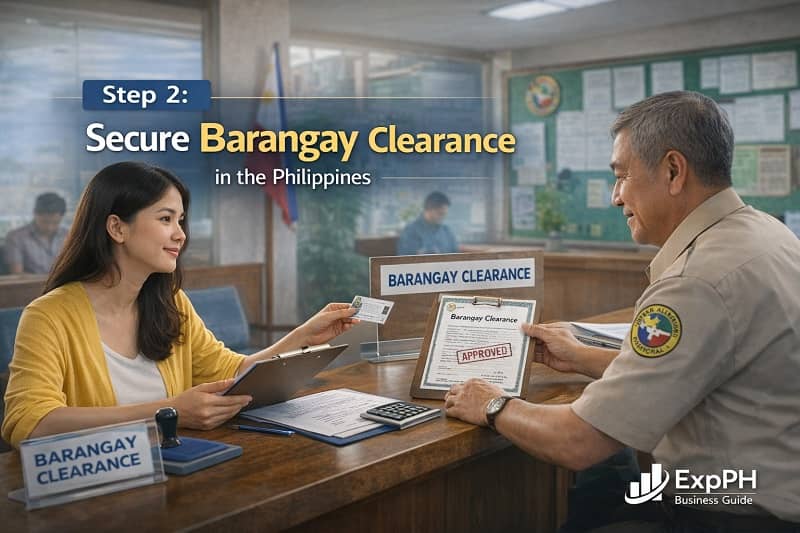
Even if you operate from home, you must obtain a Barangay Clearance from the barangay where your residence is located. This document confirms that your business activity is acknowledged locally and complies with community regulations before proceeding to higher level permits.
Requirements usually include:
- DTI certificate
- Valid ID
- Proof of address
- Payment of barangay clearance fee
Some barangays may conduct a brief inspection of your home to verify that your business will not create noise, traffic, or other disturbances within the neighborhood.

Step 3: Apply for Mayor’s Permit
Your local government unit requires a Mayor’s Permit, also known as a Business Permit, before you can legally operate. This permit confirms that your business complies with local regulations and is authorized to conduct activities within the city or municipality.
Requirements typically include:
- DTI certificate
- Barangay clearance
- Lease contract or proof of property ownership
- Community tax certificate
- Zoning clearance
For home-based businesses, zoning approval is especially important. Some subdivisions limit or prohibit certain commercial activities. Always verify zoning rules with your local office before investing significant time or capital into your business.
Step 4: Register with the Bureau of Internal Revenue (BIR)
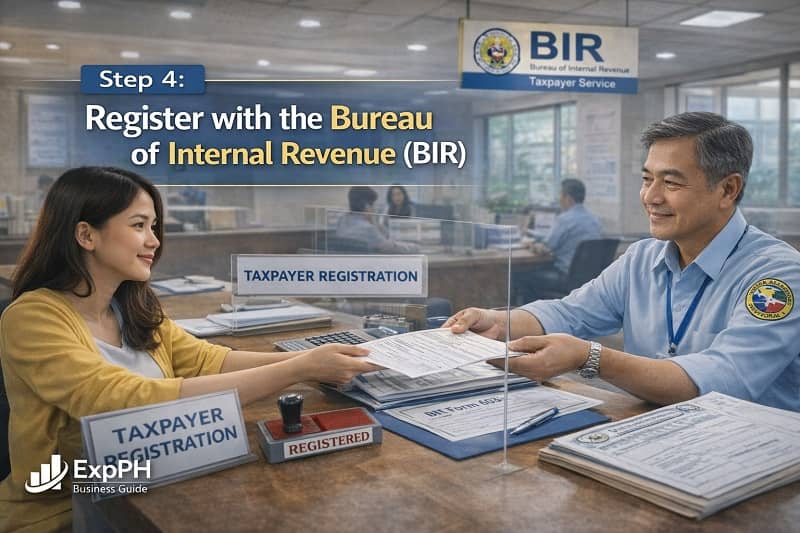
One of the most important home-based business requirements Philippines entrepreneurs must complete is registration with the Bureau of Internal Revenue. BIR registration formalizes your tax obligations and allows you to issue official receipts legally. Without this step, your business remains non compliant.
What You Need for BIR Registration
To complete your registration, prepare the following documents and requirements before visiting your assigned Revenue District Office. Having complete paperwork helps avoid delays and ensures smoother processing of your application.
- DTI certificate
- Mayor’s Permit
- Valid ID
- Completed BIR Form 1901
- Books of accounts
- Payment of registration fee
You will also:
- Apply for Authority to Print official receipts
- Register your books of accounts
- Choose your tax type
Failure to register with the BIR may lead to penalties and fines, even for small online sellers or freelancers earning modest but consistent income.
Official website:
https://www.bir.gov.ph
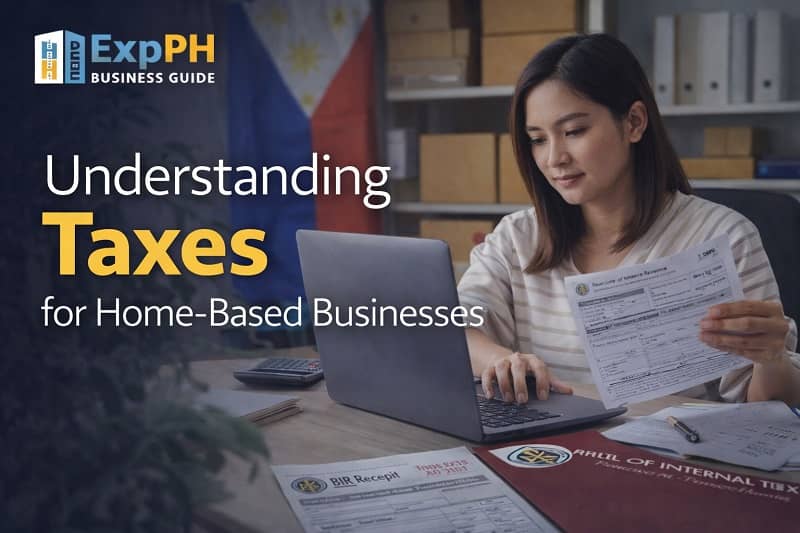
Understanding Taxes for Home-Based Businesses
Taxes may seem complicated at the beginning, but understanding your obligations protects your income and prevents costly penalties. Knowing which taxes apply to your home-based business helps you plan cash flow properly and avoid compliance issues as your operations expand.
Percentage Tax or VAT
Most small home-based businesses are classified as non VAT and pay percentage tax. However, if your annual gross sales exceed the VAT threshold set by law, you will be required to register as a VAT taxpayer and follow additional reporting requirements.
Income Tax
Aside from business tax, you must also pay income tax. You may choose between the following options depending on your situation:
- Graduated income tax rates
- 8 percent flat tax on gross sales exceeding the exemption threshold
Discuss your projected revenue and expenses with an accountant to determine which option is more suitable for your expected income level.

Financial Considerations Before You Start
Beyond completing legal requirements, financial preparation is essential before launching your home-based business. Careful planning reduces stress and helps you manage risks during the early stages. A strong financial foundation supports steady growth and improves your long term stability.
Separate Business and Personal Finances
Open a dedicated bank account for your business transactions. Keeping finances separate improves transparency and makes reporting more accurate. It also strengthens your credibility when dealing with suppliers or financial institutions.
This helps with:
- Applying for loans
- Tracking income and expenses
- Preparing tax reports
Build an Emergency Fund
Business income can fluctuate, especially during the first year. Prepare at least three to six months of personal living expenses before depending entirely on your home-based earnings. This financial buffer protects you from unexpected slow periods or temporary losses.
Keep Proper Records
Accurate documentation is critical for compliance and smart decision making. Organized records allow you to monitor performance and identify areas for improvement.
Maintain:
- Sales records
- Expense receipts
- Tax payments
- Inventory tracking
Proper records are especially important if you plan to expand operations or apply for business financing in the future.
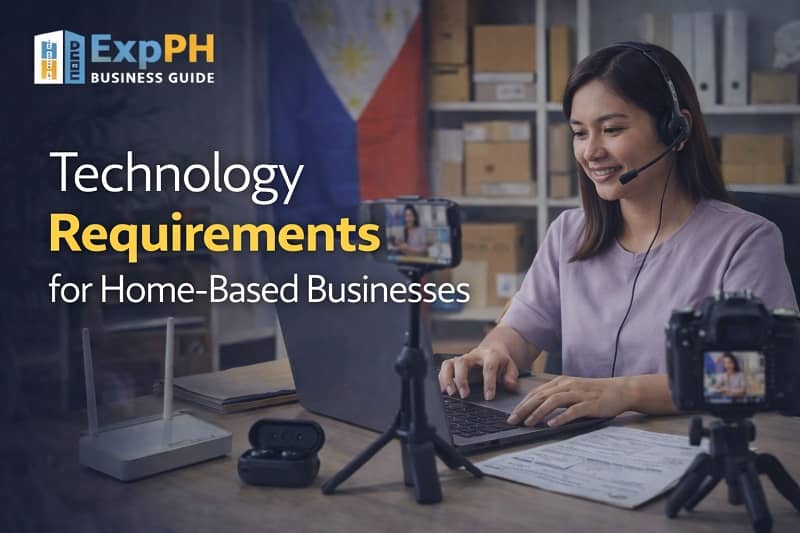
Technology Requirements for Home-Based Businesses
Many modern home-based businesses depend on technology to operate efficiently and serve customers consistently. Reliable digital tools improve communication, financial tracking, and overall productivity. Investing in the right setup from the beginning helps prevent disruptions and supports professional business operations.
Essential Tools
To manage daily tasks effectively, prepare the following basic tools:
- Reliable internet connection
- Laptop or desktop computer
- Accounting software or spreadsheet system
- Secure payment gateways
For online sellers, registering with trusted e-commerce platforms is advisable. Choose platforms that follow Philippine consumer protection laws to protect both your business and your customers.

Special Rules for Food-Based Home Businesses
If you plan to sell food products from home, additional regulations may apply to ensure public safety. Food preparation and handling are closely monitored by local authorities. Compliance protects consumers and reduces the risk of penalties or suspension of operations.
You may need to secure the following clearances:
- Sanitary permit
- Health certificate
- Food safety compliance
Requirements may vary depending on your city or municipality. Always consult your local health office to confirm specific standards, inspection procedures, and documentation needed before selling food products to the public.

Common Mistakes to Avoid for Home-Based Businesses in the Philippines
Many home-based entrepreneurs encounter problems because they overlook basic legal and financial responsibilities. These mistakes often lead to penalties, delays, or avoidable stress. Understanding common compliance issues helps you protect your business and maintain smooth operations from the start.
Common mistakes include:
- Operating without BIR registration
- Ignoring zoning restrictions
- Mixing personal and business funds
- Underestimating tax obligations
- Failing to issue official receipts
Avoiding these errors strengthens your legal standing and financial stability. Careful compliance supports long term growth and protects your home-based business from unnecessary complications.

Can You Start Small and Register Later?
Under Philippine law, business registration becomes mandatory once you begin earning income from commercial activities, even if your operations are small or home-based. Delaying compliance exposes you to possible penalties, audits, and complications, especially as digital platforms now monitor online sellers more closely.
Starting your business correctly from the beginning builds credibility and protects you from avoidable legal and financial problems. Early compliance allows you to focus on growth with confidence rather than worrying about future penalties or corrective requirements.

Final Thoughts on Home-Based Business Requirements in the Philippines
Understanding the complete list of home-based business requirements Philippines entrepreneurs must follow provides clarity before launching your venture. Although the process involves several steps including DTI registration, barangay clearance, Mayor’s Permit, and BIR registration, each requirement has a clear purpose. These procedures protect your operations, formalize your tax obligations, and strengthen your credibility within your community. Careful compliance reduces risk and positions your business for steady progress.
A properly registered home-based business is easier to expand, finance, and manage over time. Banks, suppliers, and potential partners prefer working with legitimate enterprises that meet regulatory standards. If your long term goal includes financial stability, gradual expansion, or hiring employees, compliance becomes more than a legal requirement. It becomes a strategic advantage that supports responsible growth in the Philippines.
Starting from home can be the first step toward building something greater. Begin legally, manage finances responsibly, and use technology effectively. This approach creates a stable foundation for sustainable business success in the Philippines.

FAQs About Home-Based Business Requirements in the Philippines
1. Do I need to register a home-based business in the Philippines?
Yes, registration is required once you regularly earn income. Even home-based or online businesses must comply with local government and BIR regulations to operate legally.
2. Which agency should I register with first?
Start by registering your business name with the Department of Trade and Industry if operating as a sole proprietor before securing local permits and tax registration.
3. Is a barangay clearance required for home businesses?
Yes, a barangay clearance is typically required. It confirms your business location and ensures your activity complies with community and zoning regulations.
4. Do online sellers need to register with the BIR?
Yes, online sellers must register with the Bureau of Internal Revenue. Income earned from digital platforms is taxable under Philippine tax laws.
5. What taxes does a home-based business pay?
Home-based businesses may pay percentage tax or opt for the eight percent income tax rate, depending on revenue level and chosen tax classification.
6. Can I operate without a Mayor’s Permit?
Operating without a Mayor’s Permit can result in penalties or closure. Local government approval is necessary even if the business operates from home.
7. Are there zoning restrictions for home-based businesses?
Yes, some subdivisions and cities enforce zoning rules. Always check with your local zoning office to confirm if business activities are allowed.
8. Do I need separate bank accounts for my business?
While not mandatory, opening a separate business bank account is highly recommended to simplify bookkeeping, tax filing, and financial management.
9. Are food-based home businesses subject to additional permits?
Yes, food-based businesses often require sanitary permits and health certificates to comply with local safety and public health regulations.
10. What happens if I delay business registration?
Delaying registration can lead to fines and tax penalties. It may also limit access to loans, partnerships, and formal business opportunities.
More Business Resources
If you are serious about building and managing your business properly, these practical guides will help you understand the essentials step by step. From taxes to pricing and legal requirements, each resource below is written to make complex topics simple and actionable for Filipino entrepreneurs.
- Understanding Basic Business Taxes in the Philippines
- Best Free Software for Small Businesses in the Philippines
- Barangay Clearance, Mayor’s Permit, and BIR Explained Simply
- How to Price Your Products or Services as a Filipino Business Owner
- Business Bank Accounts in the Philippines: What You Need to Know
Explore these guides to strengthen your foundation and make smarter business decisions with confidence.
HD Quiz Hub!
Test your knowledge about registration, permits, and tax compliance in the Philippines.
Results


#1. Which agency registers sole proprietorship business names?
#2. What document confirms your business location locally?
#3. Which permit is issued by the city or municipality?
#4. Which agency handles tax registration?
#5. Online sellers are required to do what?
#6. Which tax option may apply to small businesses?
#7. What clearance checks zoning compliance?
#8. Why separate business finances?
#9. Food-based businesses often need what?
#10. Operating without registration may cause what?
Thank you for taking the quiz.
Share your score or experience in the comments and let us know which topic you would like to learn next.