
Starting a business is one of the most practical ways to build financial stability in the Philippines. Whether you are an aspiring entrepreneur, an OFW planning to return home, or someone looking for additional income, learning how to start a business in the Philippines can open real opportunities. It allows you to create your own source of income, gain independence, and build something that supports your long-term financial goals and family needs.
This guide covers everything you need to know, from choosing the right business to completing registration, managing costs, and applying practical strategies. Each section is designed to help you understand the process clearly and take action with confidence. The goal is to guide you step by step, so you can move from a simple idea to a fully operating business without confusion or unnecessary risk.
In this guide, you will learn exactly how to start a business in the Philippines step by step, even if you are a beginner with limited capital
Not sure what business is right for you?
Read our step-by-step guide on How to Choose a Small Business in the Philippines (2026 Beginner Guide) and discover the best option based on your budget, skills, and goals.
Table of Contents
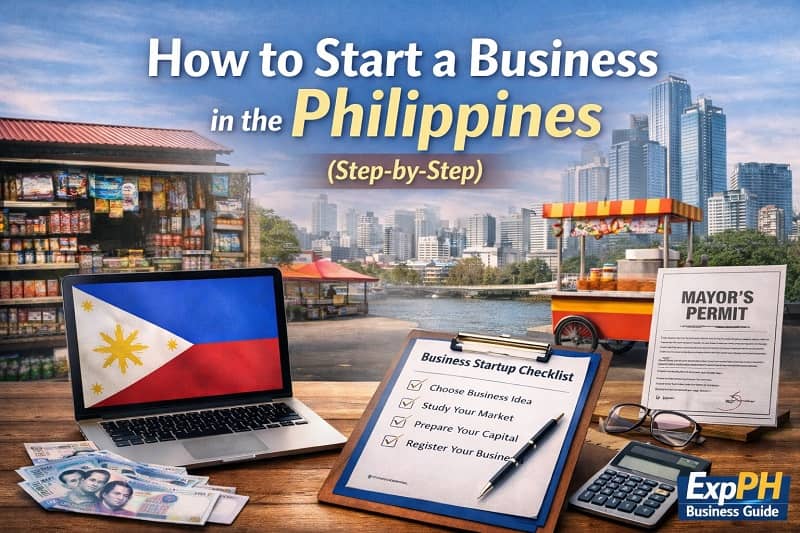
1. How to Start a Business in the Philippines (Step-by-Step)
Starting a business can feel overwhelming, especially for beginners. However, breaking the process into simple steps makes it easier to understand and follow. With the right approach, you can move from idea to execution with more confidence and less risk.
Choose the Right Business Idea
Before starting, you need to choose a business that fits your situation and resources. The right choice depends on your budget, skills, and local demand. A well-matched business idea increases your chances of long-term success and helps reduce unnecessary risks early.
Consider these factors:
- Your budget or available capital
- Location, whether city or province
- Skills and experience
- Market demand in your area
Common beginner-friendly businesses include:
- Sari-sari store
- Food cart or small food business
- Online selling
- Laundry or water refilling station
Choosing wisely helps you start stronger and avoid costly mistakes.
Study Your Market
Even small businesses need basic research before launching. Understanding your market allows you to make better decisions and avoid common beginner mistakes. It also helps you identify opportunities that others may overlook and improves your chances of earning consistent income.
Ask yourself:
- Who are your target customers
- What problems can your business solve
- Who are your competitors
Knowing your market gives you a clear direction and helps you position your business effectively.
Prepare Your Capital
Capital requirements vary depending on the type and size of your business. Some businesses need only a small starting budget, while others require larger investments for equipment, supplies, or inventory. Proper financial preparation helps you avoid early setbacks and manage operations smoothly.
Examples:
- Small online business can start with low budget
- Food businesses require equipment and supplies
- Retail stores need inventory
Always prepare extra funds to cover unexpected expenses and delays.
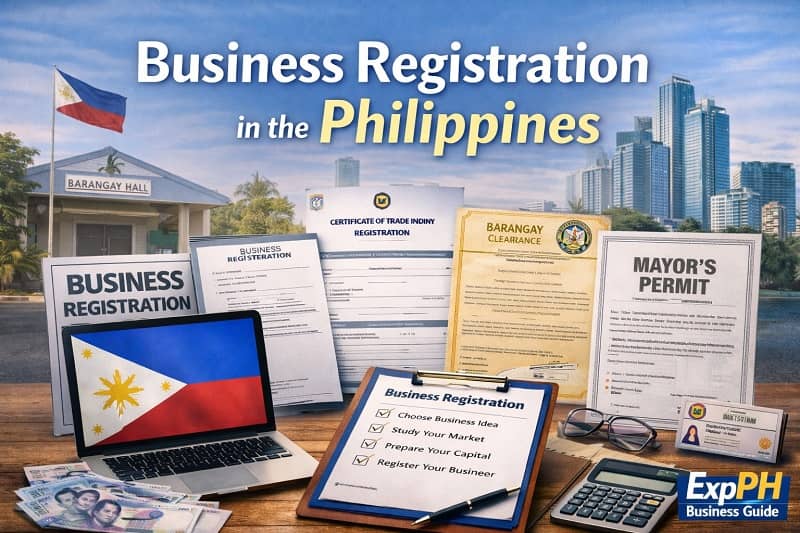
2. Business Registration in the Philippines
To operate legally, you must register your business with the proper government agencies. Registration protects your business, builds trust with customers, and allows you to expand without legal issues. Completing these steps ensures your business follows Philippine regulations and operates with credibility.
Step 1: Register Your Business Name
The first step is registering your business name. For sole proprietorships, this is done through the Department of Trade and Industry. This process secures your business name and allows you to operate under a registered identity.
👉 You can verify and register your business name here:
https://bnrs.dti.gov.ph
Step 2: Get Barangay Clearance
After registering your business name, you need to secure a barangay clearance. Visit your local barangay office and submit the required documents. This clearance confirms that your business is permitted to operate within your chosen location and complies with local community regulations.
Step 3: Secure a Mayor’s Permit
Next, apply for a business permit at your local city or municipal hall. This permit allows your business to operate legally within the area. Requirements may vary depending on your location and business type.
Requirements usually include:
- DTI registration
- Barangay clearance
- Valid ID
- Business location details
Step 4: Register with the BIR
You must register your business with the Bureau of Internal Revenue to comply with tax regulations. This step ensures your business can issue receipts and pay taxes properly. Proper registration also helps you avoid penalties and legal complications.
You need to:
- Get your Tax Identification Number (TIN)
- Issue official receipts
- Pay taxes properly
👉 Learn more about tax registration here:
https://www.bir.gov.ph
Step 5: Other Permits (If Applicable)
Some businesses require additional permits depending on their industry. These permits ensure safety, compliance, and proper regulation. Always check the specific requirements for your business type to avoid delays or penalties.
Examples include:
- Special permits for pharmacies or logistics
- Food safety permits for food businesses
- FDA registration for health-related products
3. Cost to Start a Business in the Philippines
Understanding the cost to start a business in the Philippines is essential before launching. Knowing your expenses helps you plan your budget, avoid financial problems, and make informed decisions. Proper cost planning ensures your business can operate smoothly and remain sustainable during its early stages.
Startup Costs
Startup costs include all initial expenses required to set up your business. These costs vary depending on your business type and scale. Careful planning allows you to allocate your resources properly and avoid delays during setup, ensuring a smoother and more efficient business launch.
Typical expenses include:
- Business registration fees
- Equipment and tools
- Initial inventory
- Rental deposits
- Renovation or setup
Example Estimates
Startup costs differ based on the type of business you choose. Some businesses require only a small budget, while others need more capital for equipment and inventory. Understanding these differences helps you select a business that fits your financial capacity and goals.
Example estimates:
- Small online business: low budget
- Food cart: moderate budget
- Retail store: higher investment
Monthly Expenses
After starting your business, you must manage ongoing expenses to keep operations running. These monthly costs are essential for maintaining stability and ensuring continuous service. Tracking these expenses helps you manage cash flow and avoid financial problems as your business grows.
Common monthly costs:
- Rent
- Utilities
- Salaries
- Inventory restocking
- Marketing
Hidden Costs to Watch Out For
Many beginners overlook hidden costs that can affect their budget. These unexpected expenses can reduce profits if not planned properly. Being aware of these costs helps you prepare financially and maintain stability, especially during slow periods or operational challenges.
Common hidden costs include:
- Permit renewals
- Equipment maintenance
- Unexpected repairs
- Slow sales periods
Planning for these expenses helps reduce financial stress and keeps your business stable.
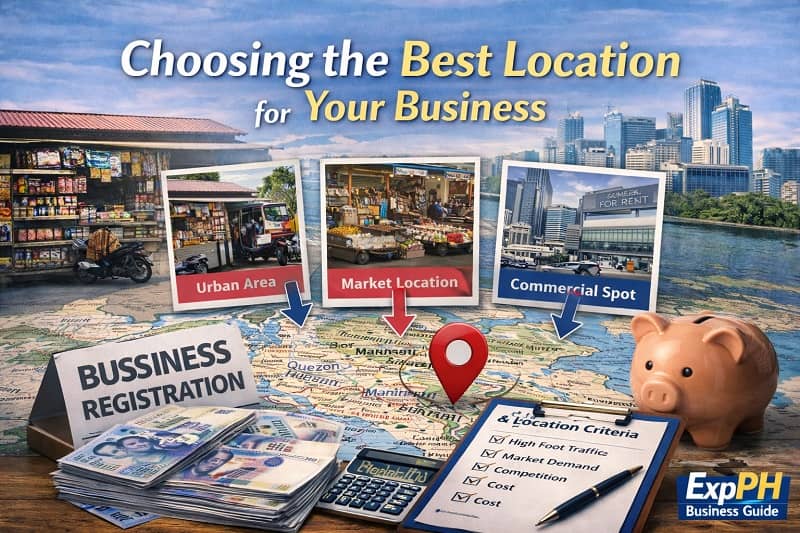
4. Choosing the Best Location for Your Business
Location plays a major role in the success of your business. The right location can attract more customers and increase sales, while a poor choice can limit growth. Carefully evaluating your options helps you position your business where it can perform best.
City vs Province
Choosing between a city and a province depends on your business type, budget, and target market. Each location offers different advantages and challenges. Understanding these differences helps you make a smarter decision that supports your long-term business goals.
City advantages:
- Higher foot traffic
- More customers
- Higher competition
Province advantages:
- Lower rent
- Less competition
- Strong community support
Choose a location that matches your business needs and customer demand.
5. How Long Before a Business Becomes Profitable
Profit does not happen immediately after starting a business. Most businesses need time to build customers, stabilize operations, and recover initial costs. Understanding this timeline helps you set realistic expectations and avoid discouragement during the early stages of your business journey.
Most small businesses take:
- 3 to 6 months to stabilize
- 6 to 12 months to become profitable
Factors That Affect Profitability
Several factors influence how quickly your business becomes profitable. These elements affect your income, expenses, and overall performance. Managing them properly can improve your chances of reaching profitability sooner and maintaining steady growth over time.
Key factors include:
- Location
- Demand
- Pricing strategy
- Cost control
Patience and consistency are essential for long-term success.

6. Common Mistakes When Starting a Business
Avoiding common mistakes when starting a business can save you time, money, and unnecessary stress. Many beginners face problems due to lack of preparation or poor decisions. Understanding these mistakes early helps you build a stronger foundation and improves your chances of long-term success.
Common mistakes include:
- Starting without proper research
- Mixing personal and business finances
- Ignoring permits and legal requirements
- Poor inventory management
- Lack of marketing
Learning from these mistakes early can make a significant difference in your business journey.

7. Tips to Grow Your Business Successfully
Once your business is running, your next goal is growth. Expanding your business requires consistent effort, smart decisions, and proper systems. Focusing on customer satisfaction, efficient tools, and strong financial management helps you build a stable and scalable business over time.
Build Strong Customer Relationships
Building strong relationships with customers is essential for long-term success. Satisfied customers are more likely to return and recommend your business to others. Providing good service and maintaining trust can increase loyalty and help your business grow through consistent repeat sales.
Use Digital Tools
Using digital tools can help your business operate more efficiently and reach more customers. Technology improves marketing, payments, and daily operations. Choosing the right tools allows you to save time, reduce manual work, and improve overall productivity.
Examples include:
- Social media for marketing
- Online payment systems
- Simple accounting tools
Manage Finances Properly
Proper financial management is important for business growth and stability. Tracking your income and expenses helps you understand your financial position and make better decisions. It also allows you to identify opportunities for improvement and prepare for future expansion.
This helps you:
- Understand profits
- Avoid losses
- Plan expansion
8. FAQs About Starting a Business in the Philippines
What are the first steps to start a business in the Philippines?
Start by choosing a business idea, studying your market, preparing capital, and registering your business. Following these steps helps you launch smoothly and avoid common beginner mistakes.
How much capital do I need to start a business in the Philippines?
Capital depends on your business type. Small online businesses need lower budgets, while food or retail businesses require higher investment for equipment, inventory, and operational expenses.
Do I need to register my business in the Philippines?
Yes, registration is required to operate legally. It protects your business, builds customer trust, and allows you to issue receipts, pay taxes, and grow properly.
Where do I register my business name in the Philippines?
You can register your business name through the Department of Trade and Industry for sole proprietorships. This secures your business identity and allows you to operate legally.
What permits are required to start a business in the Philippines?
You need a DTI registration, barangay clearance, mayor’s permit, and BIR registration. Some businesses may also require additional permits depending on their industry and operations.
How long does it take to start a business in the Philippines?
The process can take several days to a few weeks, depending on your location and requirements. Completing documents early helps speed up registration and business setup.
What are the common costs when starting a business?
Common costs include registration fees, equipment, inventory, rent, and renovation. Planning these expenses carefully helps you manage your budget and avoid financial problems during startup.
How long before a business becomes profitable?
Most small businesses take three to twelve months to become profitable. Success depends on location, demand, pricing, and cost management, along with consistent effort and improvement.
What are common mistakes when starting a business?
Common mistakes include lack of research, mixing finances, ignoring permits, poor inventory control, and weak marketing. Avoiding these helps you build a stronger and more stable business.
How can I grow my business in the Philippines?
You can grow your business by improving customer service, using digital tools, managing finances properly, and adapting to market demand while maintaining consistent operations and service quality.
Final Thoughts
Learning how to start a business in the Philippines goes beyond opening a store or selling products. It involves building a stable and sustainable source of income that can support your personal goals and your family’s needs over time. A successful business requires planning, discipline, and a clear understanding of your market. When you focus on long-term growth instead of quick results, you create a stronger foundation that can adapt to challenges and continue growing.
Starting small is often the smartest approach, especially for beginners. It allows you to learn from experience while managing risks more effectively. Stay consistent in your efforts and continue improving your products, services, and systems. Every successful business begins with a simple decision to take action. With the right mindset and proper guidance, you can move forward with confidence and turn your business idea into a lasting source of income.
Are you still in the planning stage and want to build a strong long-term foundation?
Explore your complete strategy here: A Practical Guide to Building a Sustainable Business in the Philippines
Related Guides
- How to Register a Business in the Philippines (Complete Guide)
- Best Profitable Small Business Ideas in the Philippines (Scalable Models 2026)
- How to Grow and Scale a Small Business in the Philippines (2026 Guide)
- Business Finances in the Philippines (Complete Guide)
Learning Hub Quiz!
Test your knowledge about how to start a business in the Philippines. This short quiz will help you review key steps, requirements, and practical tips from the guide. Take a moment and see how ready you are to start your own business.
Results


#1. What is the first step in starting a business?
#2. Which agency handles business name registration?
#3. What document confirms local approval?
#4. Which permit allows legal operation?
#5. Why register with BIR?
#6. Which is a startup cost?
#7. Which is a monthly expense?
#8. Which affects business profitability?
#9. What is a common mistake?
#10. What helps business growth?
Thanks for taking the quiz.
Share your score or experience in the comments and let others know how ready you are to start your business journey.