
Building a sustainable business in the Philippines is no longer just a passing trend but a practical strategy for entrepreneurs who aim for long term success. It supports steady growth, reliable profits, and a meaningful impact on society. As environmental awareness continues to rise and consumer preferences shift toward responsible brands, businesses that adopt sustainable practices gain a clear advantage. Government support for green initiatives also makes it easier for entrepreneurs to align their operations with national goals and future market demands.
This guide provides clear and practical steps tailored to the Philippine setting to help you build and grow a business that is both profitable and responsible. It focuses on practical applications that match local conditions, market behavior, and available resources. By following these steps, you can create a business that not only earns consistently but also contributes positively to the environment and the community while staying competitive in an evolving business landscape.
Ready to take the first step?
Start your journey with our complete guide: How to Start a Small Business in the Philippines (Step-by-Step Guide) and learn exactly what to do from idea to launch.
Table of Contents
What Is a Sustainable Business in the Philippines?
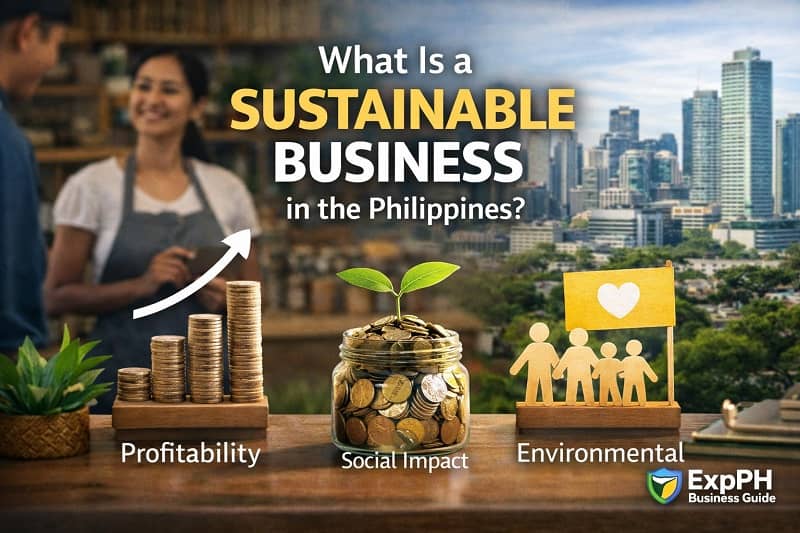
A sustainable business in the Philippines focuses on balancing three key elements to achieve long term success while creating positive impact:
- Profitability (financial growth)
- Environmental responsibility (reducing waste and resource use)
- Social impact (supporting communities and fair practices)
This approach, known as the triple bottom line, is becoming essential for Filipino entrepreneurs who want to stay competitive while building a responsible and future ready business.
Why Sustainability Matters for Filipino Entrepreneurs
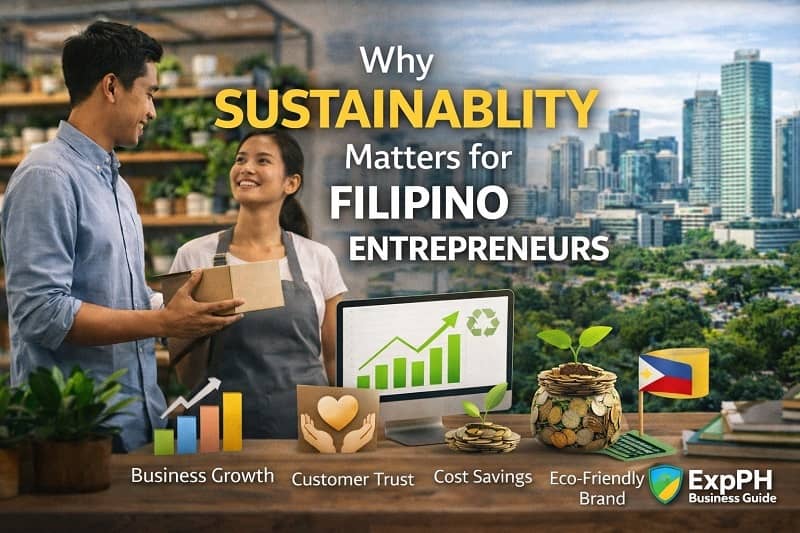
Sustainability is not only about protecting the environment. It plays a direct role in improving business performance, customer trust, and long term growth. Filipino entrepreneurs who adopt sustainable practices can build stronger brands, reduce costs, and stay competitive in a changing market.
Growing Consumer Demand
Filipino consumers are becoming more mindful of their choices and often prefer businesses that reflect their values:
- Eco-friendly products
- Ethical sourcing
- Local and community-based businesses
Businesses that align with these preferences can build stronger customer trust and long term loyalty.
Cost Savings Over Time
Sustainable practices help reduce operating expenses while improving efficiency:
- Electricity costs
- Packaging expenses
- Waste disposal fees
Simple changes like using energy-efficient equipment or reusable packaging can lower costs and increase overall profitability over time.
Government Support and Policies
The Philippine government supports sustainable business practices through programs and policies that guide responsible operations. Entrepreneurs can explore resources and initiatives from the Department of Trade and Industry to stay informed. This helps ensure compliance while aligning business goals with national development priorities.
Choosing the Right Sustainable Business Idea
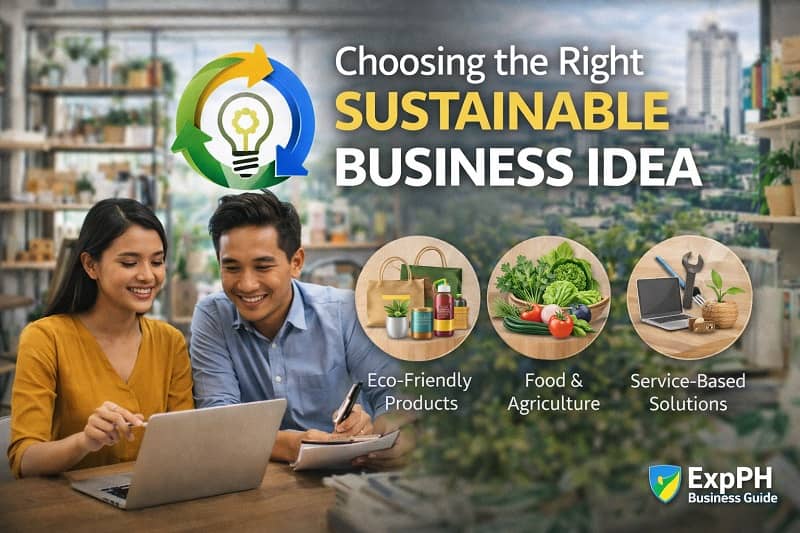
Not all business ideas offer the same level of sustainability or long term potential. Choose a concept that matches local demand, available resources, and your capabilities. A well aligned idea improves your chances of success while helping you operate efficiently and responsibly.
Eco-Friendly Product Businesses
These businesses focus on reducing waste and using sustainable materials:
- Reusable bags and containers
- Organic skincare products
- Bamboo or locally sourced materials
They appeal to environmentally conscious consumers and support local sourcing practices.
Food and Agriculture-Based Businesses
Sustainable food businesses focus on responsible production and minimal waste:
- Farm-to-table food concepts
- Organic farming
- Zero-waste food stalls
These models support local farmers while promoting healthier and more sustainable food choices.
Service-Based Sustainable Businesses
Service businesses can be sustainable by reducing physical resource use:
- Digital services (low environmental impact)
- Repair and upcycling services
- Sustainable consulting or training
They require lower capital and can create strong value through skills and expertise.
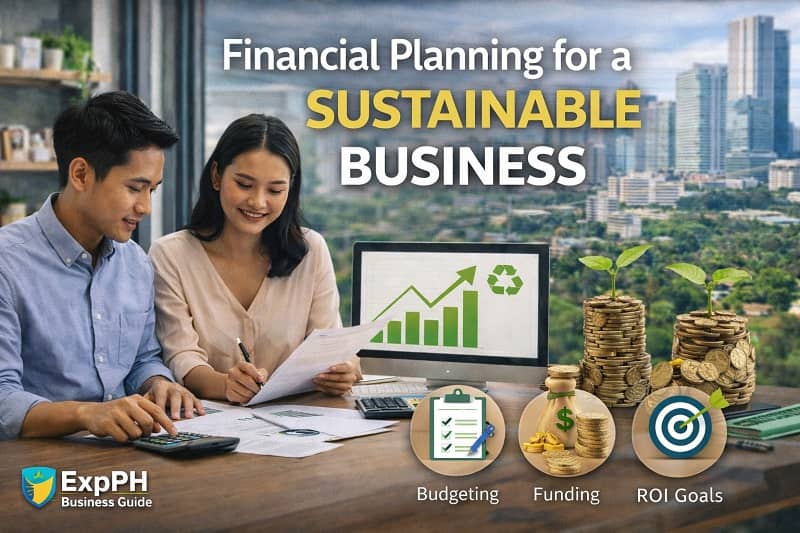
Financial Planning for a Sustainable Business
A sustainable business in the Philippines still requires strong financial management to remain profitable and stable. Proper planning helps balance environmental goals with business growth. It ensures you can manage costs, sustain operations, and invest in improvements without affecting long term success.
Smart Budgeting
Plan your budget carefully to support both operations and sustainability efforts:
- Eco-friendly materials (may cost more initially)
- Marketing and branding
- Business permits and compliance
Proper budgeting helps control expenses while ensuring your business meets legal and sustainability requirements.
Long-Term Investment Mindset
Sustainable practices may require higher initial costs but often lead to lower expenses over time. Energy savings, reduced waste, and efficient processes improve profitability. Treat these expenses as long term investments that support stability and consistent financial growth.
Accessing Funding and Grants
Explore available funding sources that support sustainable businesses:
- Government programs
- NGO support
- Green business grants
These options can help reduce startup costs and provide financial support for implementing sustainable practices.
6-Step Guide to Building a Sustainable Business in the Philippines
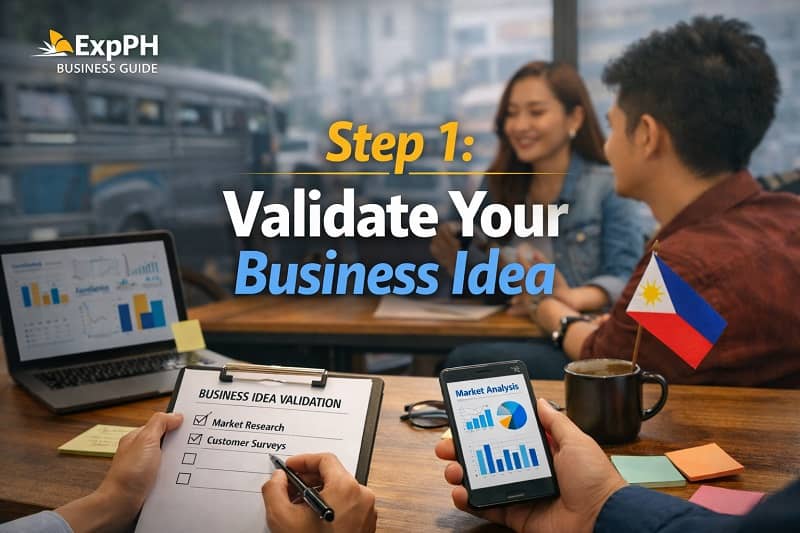
Step 1, Validate Your Business Idea
Before investing time and money, make sure your business idea fits real market needs. Proper validation helps you avoid costly mistakes and improves your chances of success by aligning your offer with actual customer demand.
- Market demand in your area
- Competitors and pricing
- Customer preferences
Use social media groups, surveys, or small test launches to confirm demand before investing. This reduces risk and ensures your idea matches your target market.
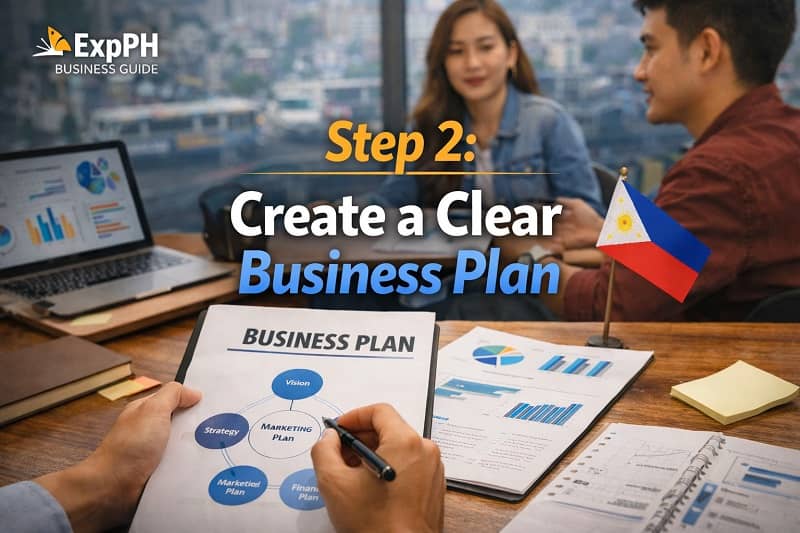
Step 2, Create a Clear Business Plan
A clear business plan gives your business direction and structure. It helps you organize your ideas, set realistic goals, and prepare for growth while integrating sustainability into your strategy.
- Business goals and vision
- Target market and positioning
- Cost structure and revenue plan
- Sustainability strategy and value
This step improves decision making and prepares you for funding or expansion.

Step 3, Register Your Business Properly
Registering your business legally builds trust and opens access to government support and financial opportunities. It also ensures your operations follow local laws and regulations.
- Register your business name with DTI
- Secure Barangay Clearance
- Apply for Mayor’s Permit
- Register with BIR
This ensures compliance with business laws and environmental requirements.
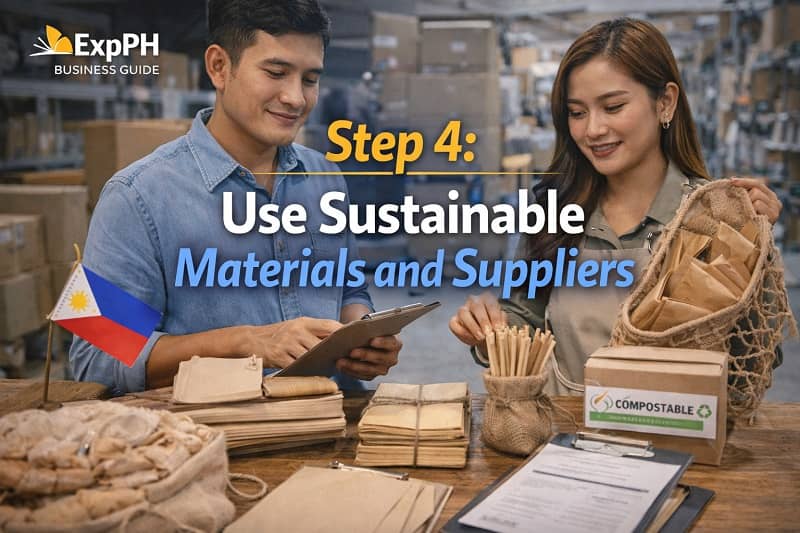
Step 4, Use Sustainable Materials and Suppliers
Choosing the right suppliers helps reduce environmental impact and strengthens your brand. Responsible sourcing also supports local communities and builds long term business value.
- Use eco-friendly materials
- Practice ethical sourcing
- Support local communities
This reduces environmental impact and strengthens your brand among conscious Filipino consumers.
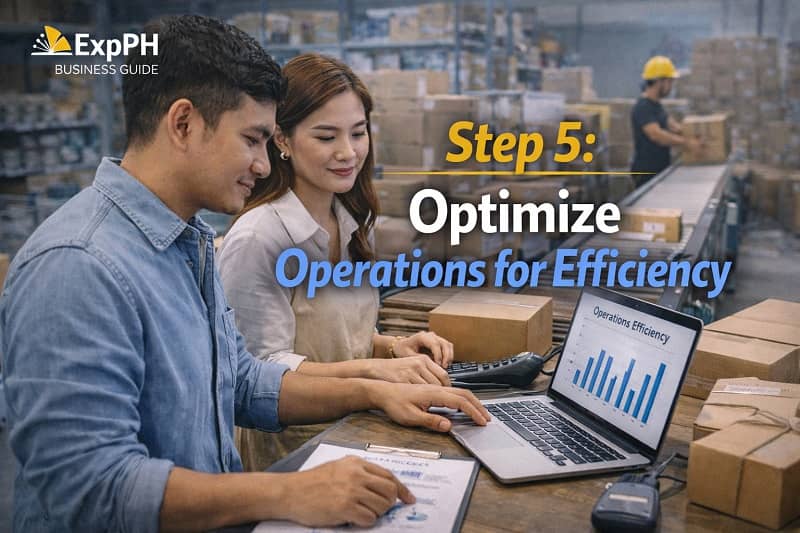
Step 5, Optimize Operations for Efficiency
Efficient operations help you lower costs while reducing waste. Improving how you manage resources leads to better productivity and long term savings.
- Use energy-efficient equipment
- Minimize packaging
- Implement inventory control
Digital tools can help track expenses and improve efficiency while reducing unnecessary resource use.
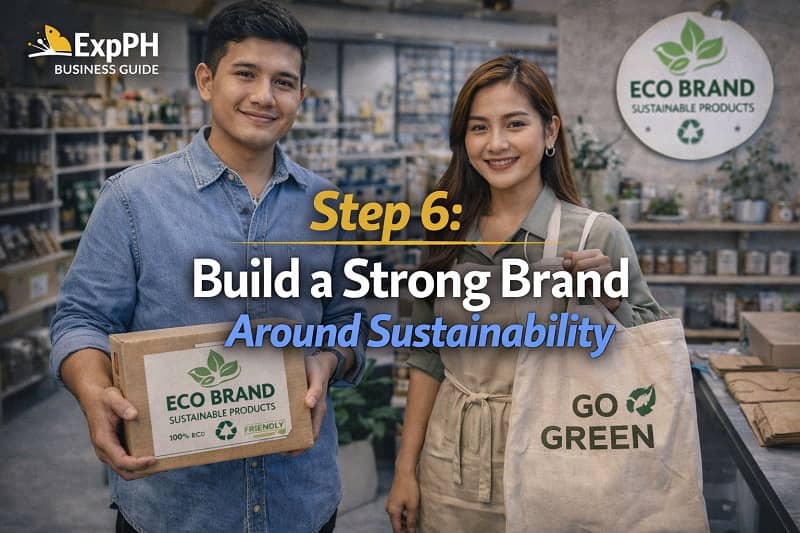
Step 6, Build a Strong Brand Around Sustainability
A strong brand communicates your purpose and builds trust with your audience. Clearly showing your commitment to sustainability helps attract loyal customers who value responsible businesses.
- Eco-friendly practices
- Local sourcing
- Community involvement
Filipino consumers are more likely to support businesses that show authenticity, responsibility, and a clear commitment to positive impact.
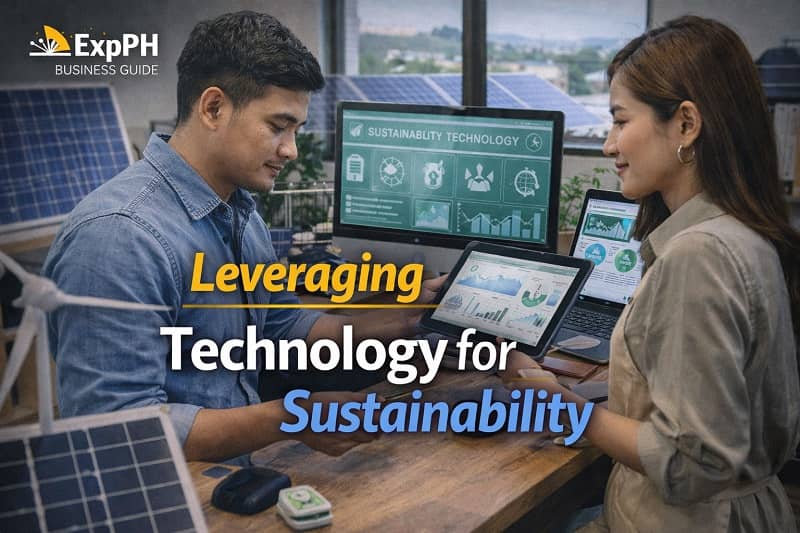
Leveraging Technology for Sustainability
Technology plays an important role in building a sustainable business in the Philippines. It helps reduce waste, improve efficiency, and support long term growth. Using the right tools allows businesses to operate smarter while lowering environmental impact and operational costs.
Digital Transformation
Digital tools help streamline operations and reduce resource use:
- Reduce paper usage
- Automate processes
- Manage finances efficiently
Adopting digital systems improves accuracy, saves time, and supports more efficient business operations.
E-Commerce and Online Presence
Online platforms help businesses grow while reducing physical costs:
- Reduce physical store costs
- Reach wider audiences
- Lower environmental footprint
Social media and e-commerce platforms give Filipino entrepreneurs more opportunities to scale and connect with customers.
Common Mistakes to Avoid
Even with good intentions, mistakes can affect your success if not managed properly. Building a sustainable business requires balance, planning, and honesty. Avoiding common errors helps protect your resources, maintain credibility, and ensure long term growth in a competitive market.
Ignoring Profitability
Sustainability should support your business, not weaken it. Always maintain financial stability while applying eco-friendly practices. A profitable business allows you to continue operating, improve processes, and invest in better solutions without risking long term sustainability.
Greenwashing
Avoid making false or exaggerated claims about your sustainability efforts. Be honest about what your business can deliver and communicate clearly with customers. Transparency builds trust and protects your brand from reputational damage or customer dissatisfaction.
Poor Planning
Lack of planning can lead to serious business problems:
- Wasted resources
- Financial losses
- Operational inefficiencies
Proper planning helps you manage risks, allocate resources effectively, and maintain smooth operations as your business grows.
How to Scale a Sustainable Business
Once your business becomes stable, focus on scaling in a responsible way. Growth should not compromise your sustainability goals or operational efficiency. Expanding with a clear strategy helps maintain quality, reduce risks, and support long term success.
Expand Responsibly
Increase your operations carefully while keeping waste and resource use under control. Avoid rapid expansion that can lead to inefficiencies. Focus on steady growth that maintains product quality, operational balance, and your commitment to sustainable practices.
Build Partnerships
Strong partnerships can support growth and improve sustainability efforts:
- Local suppliers
- Eco-friendly brands
- Community organizations
Working with the right partners helps expand your reach while strengthening your credibility and shared impact.
Educate Your Customers
Helping customers understand your values builds stronger relationships:
- Proper product use
- Recycling or reuse
- Sustainable living
Educated customers are more likely to support your business and stay loyal over time.
Final Thoughts on Sustainable Business in the Philippines
Building a sustainable business in the Philippines is a smart and practical move for modern entrepreneurs. It aligns with changing consumer behavior, supports long term profitability, and strengthens your position in a competitive market. By adopting responsible practices, you improve business performance while contributing to environmental protection and community development.
Start small and stay consistent while focusing on meaningful results. A clear strategy helps you grow steadily without losing direction. With the right approach, your business can succeed financially while creating a positive impact in your community and supporting long term sustainability goals.
More Business Resources for Filipino Entrepreneurs
Looking to take your business further in the Philippines? Explore these practical guides designed to help Filipino entrepreneurs improve operations, increase profits, and make smarter decisions at every stage of growth:
- Business Finances in the Philippines (Complete Guide)
- Tools and Systems for Running a Business in the Philippines
- How to Register a Business in the Philippines (Complete Guide)
- How to Grow and Scale a Small Business in the Philippines (2026 Guide)
Start applying these strategies today to build a stronger, more sustainable, and future-ready business in the Philippines.
FAQs About Sustainable Business in the Philippines
1. What is a sustainable business in the Philippines?
A sustainable business in the Philippines balances profit, environmental care, and social responsibility. It focuses on long term growth while reducing harm and supporting local communities.
2. Why is sustainability important for Filipino entrepreneurs?
Sustainability helps Filipino entrepreneurs attract conscious customers, reduce costs, and stay competitive. It also supports long term growth while aligning business practices with environmental and community responsibilities.
3. What are examples of sustainable business ideas in the Philippines?
Examples include eco-friendly products, organic farming, zero waste food stalls, digital services, and upcycling businesses. These ideas support sustainability while meeting growing local and market demand.
4. How do I start a sustainable business in the Philippines?
Start by validating your idea, creating a business plan, registering legally, choosing sustainable suppliers, and optimizing operations. Focus on balancing profitability with responsible and efficient practices.
5. Do sustainable businesses require higher startup costs?
Some sustainable businesses may need higher initial investment due to eco-friendly materials or equipment. However, they often reduce long term costs through efficiency, waste reduction, and energy savings.
6. How can I make my business more eco-friendly?
You can reduce waste, use energy-efficient equipment, choose sustainable materials, and minimize packaging. Simple changes in operations can significantly lower environmental impact while improving efficiency and cost control.
7. What government support is available for sustainable businesses?
The Philippine government offers programs, training, and resources through agencies like DTI. These initiatives help businesses adopt sustainable practices and comply with regulations while supporting growth and development.
8. How does technology support sustainable businesses?
Technology helps automate processes, reduce paper use, and improve efficiency. Digital tools and online platforms also lower costs and environmental impact while expanding business reach and customer access.
9. What are common mistakes when building a sustainable business?
Common mistakes include ignoring profitability, poor planning, and making false sustainability claims. Avoid these by maintaining financial balance, planning carefully, and being transparent with your business practices.
10. How can I grow a sustainable business successfully?
Grow your business by expanding responsibly, building strong partnerships, and educating customers. Focus on maintaining quality, efficiency, and sustainability while increasing your reach and strengthening customer relationships.
Are you ready to turn your plans into action and finally start a business in the Philippines?
Explore our complete step-by-step guide covering registration, costs, and practical setup strategies to help you launch with confidence.
Complete Guide to Starting a Business in the Philippines (Registration, Costs, and Steps 2026)
HD Quiz Hub!
Test your understanding of building a sustainable business in the Philippines. This quick quiz will help reinforce key ideas from the guide and check how ready you are to apply them in real business situations.
Results


#1. What defines a sustainable business?
#2. What is a key benefit of sustainability?
#3. What do eco-friendly businesses reduce?
#4. Which is a sustainable product idea?
#5. Why validate a business idea?
#6. What is needed for legal operation?
#7. What helps reduce business costs?
#8. What supports sustainable growth?
#9. What is greenwashing?
#10. How can technology help businesses?
Great job finishing the quiz.
Share your score or experience in the comments and let others know how you did. Your journey can inspire fellow entrepreneurs.

A Filipino web developer with a background in Computer Engineering. Founder of ExpPH Blog and ExpPH Business Guide, two Philippines-focused platforms covering OFW guidance, business, finance, freelancing, travel, and lifestyle. Passionate about helping Filipinos grow, he creates practical content that educates, empowers, and inspires readers nationwide.
1 thought on “A Practical Guide to Building a Sustainable Business in the Philippines”