
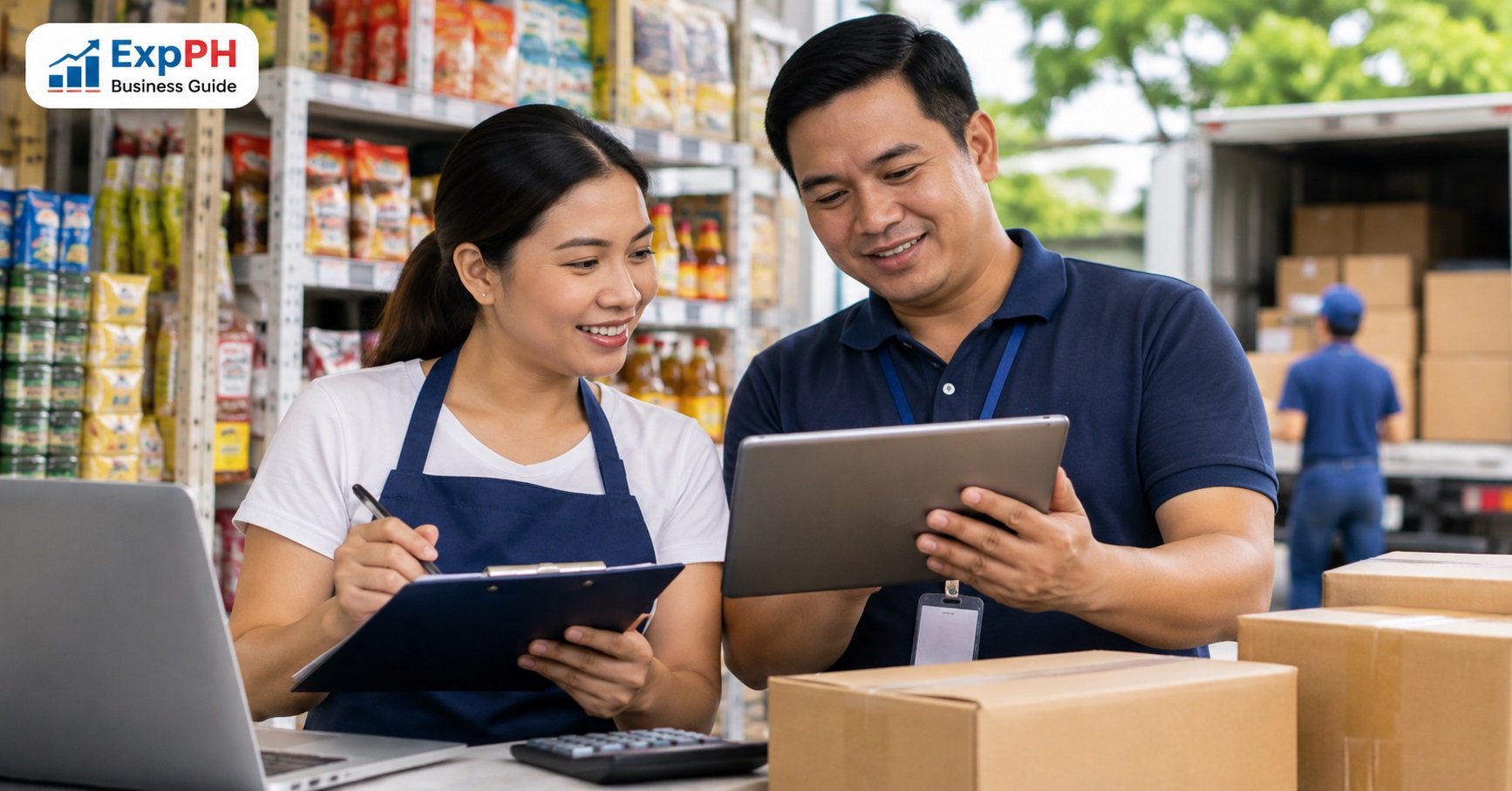
Finding dependable suppliers is an important part of building and maintaining a small business. Choosing the Right Supplier in the Philippines can help entrepreneurs maintain product quality, control purchasing costs, and serve customers consistently. Whether you operate a neighborhood store, a retail shop, or another small business, your supplier can influence how smoothly your daily operations run.
A supplier is more than a source of products or materials. The right business partner can help you maintain inventory, respond to customer demand, and avoid unnecessary interruptions. Taking time to evaluate your options can help you make better purchasing decisions as your business develops.
This guide is part of our complete resource on:
How to Grow and Scale a Small Business in the Philippines
Table of Contents
Why Choosing the Right Supplier in the Philippines Matters
Your supplier directly affects the products or materials your business offers. If deliveries are delayed, product quality is inconsistent, or prices change unexpectedly, your business may struggle to meet customer expectations. These problems can also affect your daily schedule and make it harder to manage available funds.
For Filipino entrepreneurs, supplier decisions should consider local availability, delivery coverage, payment arrangements, and the ability to provide consistent stocks. A business operating in a provincial community, for example, may need to consider transportation costs and delivery schedules when comparing suppliers from nearby cities.
Reliable suppliers can also help you respond to changes in customer demand. When popular products are available regularly, customers are less likely to encounter empty shelves or unavailable items. This can support customer satisfaction and encourage repeat purchases.
What to Check Before Choosing a Supplier
Before entering into a business arrangement, compare potential suppliers based on the requirements of your operations. Do not rely on advertisements or promises alone. Ask questions, review their terms, and understand what they can consistently provide.
Consider these important factors:
- Product quality: Check whether the products meet your business standards. Request samples when possible, inspect the items, and confirm that the quality is consistent with what was offered.
- Pricing: Compare quotations from different suppliers. Consider the total purchasing cost, including delivery charges, minimum order quantities, and other fees that may affect your expenses.
- Product availability: Ask whether the supplier can provide consistent stocks, particularly for products your business regularly needs. Find out how they handle shortages and restocking.
- Delivery reliability: Confirm delivery schedules, service areas, transportation arrangements, and procedures for delayed or incomplete orders. This is especially important if your business depends on regular replenishment.
- Payment terms: Understand accepted payment methods, required deposits, credit arrangements, payment deadlines, and any conditions that apply to late payments.
- Communication: Choose a supplier who responds clearly to questions and provides updates about orders. Good communication helps both parties address concerns before they become bigger problems.
- Business credibility: Check available business information, customer feedback, references, and the supplier’s experience. When possible, speak with other business owners who have purchased from them.
These details can help you compare suppliers based on their overall ability to support your business. A supplier with competitive prices may not be the best choice if product quality or delivery performance is unreliable.
Practical Tip: Test a Supplier With a Small Order First
Before committing to a long-term arrangement, place a small order to evaluate the supplier’s service. Check the actual product quality, delivery time, packaging, and accuracy of the order. This gives you an opportunity to see how the supplier handles a real transaction.
For example, a small retailer in the Philippines can test a supplier by ordering a limited quantity of fast-moving products. The owner can then check whether the items arrive as expected, whether the quantity is correct, and whether the supplier communicates properly throughout the process.
Keep records of the supplier’s quotations, invoices, delivery performance, and product quality. These records can help you compare suppliers objectively and understand how purchasing costs affect your business. Once a supplier demonstrates consistent service, you can consider gradually increasing your orders based on actual demand.
Common Mistake: Choosing a Supplier Based Only on Low Prices
A low quotation may seem attractive, especially when managing a limited startup budget. However, choosing a supplier based only on price can lead to problems when products are defective, deliveries are unreliable, or additional charges increase the actual cost.
For instance, a supplier may offer a lower product price but require a large minimum order or charge more for delivery. If your business cannot sell the entire order quickly, money may remain tied up in unsold inventory. Poor product quality can also result in customer complaints, returns, and additional expenses.
Consider the overall value of the supplier instead of focusing only on the cheapest offer. Consistent quality, dependable delivery, transparent pricing, and clear communication can be more beneficial to your business over time.
Conclusion
Choosing the Right Supplier in the Philippines requires comparing product quality, pricing, availability, delivery reliability, payment terms, and business credibility. Take time to evaluate potential suppliers and test their service before making long-term commitments. A dependable supplier can help your small business maintain its operations, serve customers consistently, and prepare for sustainable growth.
If you want a complete roadmap for long-term success, read:
Complete Guide to Starting a Business in the Philippines (Registration, Costs, and Steps 2026)
Related Guide

A Filipino web developer with a background in Computer Engineering. Founder of ExpPH Blog and ExpPH Business Guide, two Philippines-focused platforms covering OFW guidance, business, finance, freelancing, travel, and lifestyle. Passionate about helping Filipinos grow, he creates practical content that educates, empowers, and inspires readers nationwide.