
Starting or expanding a business often requires capital. Many Filipino entrepreneurs begin with personal savings, help from family, or small community loans. However, as a business grows, more structured funding becomes necessary. This is where Small Business Loans Philippines options become important.
Many entrepreneurs search for reliable Small Business Loans Philippines options to help fund startups, expand operations, or improve cash flow during challenging periods.
Whether you are launching a startup, expanding an existing business, or managing cash flow during slow seasons, understanding the different financing options available in the Philippines can help you make better financial decisions.
In this guide, we explore the most common small business financing options in the Philippines, including bank loans, government programs, and alternative funding sources that Filipino entrepreneurs can consider.
Before exploring loans and financing options for small businesses in the Philippines, it is important to understand how your overall financial strategy works. Read our complete guide on Business Finances in the Philippines (Complete Guide) to build a strong financial foundation.
Table of Contents

Why Small Businesses Need Financing
Access to capital often determines whether a small business grows or struggles. Even profitable companies sometimes need additional funds to manage daily operations or expand into new opportunities. In the Philippines, many entrepreneurs rely on Small Business Loans Philippines to secure resources that support stability and long term business growth.
Common reasons entrepreneurs apply for Small Business Loans Philippines include:
- Starting a new business venture
- Purchasing equipment or inventory
- Expanding to a new location
- Managing operational expenses
- Improving cash flow during slow periods
- Investing in marketing or digital tools
Without reliable financing, businesses may struggle to respond to market demand or take advantage of new opportunities. Access to the right funding allows entrepreneurs to strengthen operations, improve efficiency, and remain competitive in the Philippine business environment.

How to Qualify for Small Business Loans in the Philippines
Approval requirements vary depending on the lender. However, most financial institutions evaluate several important factors before approving Small Business Loans Philippines. These factors help lenders determine whether a business can responsibly manage and repay borrowed funds while maintaining stable operations.
Business Legitimacy
A business must be legally registered before applying for most financing programs. Proper registration confirms that the company operates within Philippine regulations and follows official business requirements. Lenders often prioritize legally registered businesses because formal documentation strengthens credibility and trust.
Typical documents include:
- DTI or SEC registration
- Mayor’s permit
- BIR registration
These documents prove that the business operates legally in the Philippines. Proper registration also helps lenders verify ownership, confirm tax compliance, and ensure the company is authorized to conduct business activities within its local jurisdiction.
5 Types of Small Business Loans in the Philippines
Entrepreneurs in the Philippines have several financing options when seeking business capital. From traditional bank loans to fast online lending, each option comes with different requirements, interest rates, and repayment terms. Understanding these loan types helps business owners choose financing that matches their needs, supports daily operations, and enables long-term growth.

1. Bank Business Loans
Traditional banks remain one of the most trusted sources of Small Business Loans Philippines. Many established businesses prefer bank financing because of structured repayment terms and competitive interest rates. However, banks usually require complete documentation and strong financial records before approving loan applications.
Banks typically offer:
- Term loans for expansion or equipment
- Credit lines for working capital
- SME loans designed for small businesses
Common requirements include:
- Business registration documents
- Financial statements
- Bank account history
- Collateral (in some cases)
Examples of banks that offer SME financing include:
- BDO Unibank
- Bank of the Philippine Islands (BPI)
- Land Bank of the Philippines
- Metrobank
Bank loans often provide lower interest rates compared with many alternative lenders. However, approval standards are stricter because banks carefully evaluate financial stability, repayment capacity, and business credibility before granting financing to small business owners.
2. Government Financing Programs
The Philippine government provides financing support to help entrepreneurs start and expand small businesses. These programs aim to improve access to capital for micro, small, and medium enterprises across the country. Government backed financing can be especially helpful for entrepreneurs who cannot easily qualify for traditional bank loans.
One of the most recognized financing programs is managed by the Small Business Corporation (SB Corp) under the Department of Trade and Industry. This government institution focuses on providing funding assistance that supports business recovery, startup development, and sustainable growth for Filipino entrepreneurs.
Programs may include:
- SME financing assistance
- Working capital loans
- Disaster recovery loans
- Startup financing support
Entrepreneurs who want to learn more about available programs can visit the official financing page of the Department of Trade and Industry: https://www.dti.gov.ph/dti-msme-tech-tools/dti-financing-opportunities-tools
Government financing programs often provide lower interest rates and flexible repayment structures. These advantages make them attractive funding options for startups and small enterprises that need reliable capital to launch, stabilize operations, or expand their businesses.

3. Microfinance Loans
Microfinance institutions offer small loans to entrepreneurs who may not qualify for traditional bank financing. These programs support micro and small businesses that need accessible funding to start or maintain operations. Many entrepreneurs rely on Small Business Loans Philippines through microfinance providers because the application process is usually simpler.
These loans are commonly used by:
- Small store owners (sari-sari stores)
- Market vendors
- Home-based businesses
- Small service providers
Microfinance lenders typically require fewer documents compared with commercial banks. Instead of focusing heavily on collateral, these institutions evaluate repayment capacity, business activity, and community reputation. This approach allows smaller entrepreneurs to access financing even without large assets.
Examples of microfinance providers in the Philippines include:
- CARD Bank
- ASA Philippines
- Rural banks and cooperative banks
Microfinance loans play an important role in supporting grassroots entrepreneurship in the Philippines. They provide practical financing options for small businesses that need manageable loan amounts to purchase inventory, maintain daily operations, or gradually expand their income generating activities.
4. Online Business Loans and Fintech Financing
Technology has expanded access to Small Business Loans Philippines through digital lending platforms. Many fintech companies use automated evaluation systems and digital financial data to review loan applications quickly. This process helps entrepreneurs access funding faster compared with traditional bank procedures.
Common advantages include:
- Faster approval times
- Fully online applications
- Minimal paperwork
- Short term financing options
Some fintech lenders operating in the Philippines include:
- First Circle
- Esquire Financing
- Blend.PH
These digital lending platforms are useful for businesses that need quick funding to support operations or manage short term expenses. They also help entrepreneurs who may not fully meet traditional bank requirements but still demonstrate strong business activity and repayment capability.

5. Business Credit Lines
A business credit line allows companies to access funds when needed instead of receiving a single lump sum loan. Entrepreneurs can withdraw specific amounts based on current financial needs and repay the borrowed amount according to the agreed terms.
Benefits include:
- Flexible borrowing
- Interest charged only on used amount
- Helpful for short term expenses
Credit lines are commonly offered by banks and some fintech lenders. This financing option helps businesses manage operational costs, purchase supplies, or address temporary cash flow gaps without committing to a large fixed loan amount.

Other Ways to Fund Your Business
This financing method is common among startups that expect strong growth potential. Entrepreneurs must carefully review partnership agreements, clarify ownership terms, and understand profit sharing structures to ensure that both parties maintain fair expectations and sustainable business relationships.
Supplier Financing
Supplier financing allows businesses to receive inventory from suppliers and pay at a later date through agreed payment terms. This arrangement helps entrepreneurs maintain operations and stock levels without immediately using cash or applying for traditional Small Business Loans Philippines.
This option helps businesses manage cash flow more effectively because payment is delayed until after goods are received or sold. Entrepreneurs can continue selling products while preparing funds for supplier payments, which supports smoother daily operations.
For example:
- Inventory supplied with 30 to 60 day payment terms
- Businesses sell products before paying suppliers
Supplier financing is often used by retail stores, small distributors, and growing businesses that need consistent inventory supply. It allows companies to maintain product availability while keeping cash available for other operational expenses.
Business Partnerships and Investors
Some entrepreneurs raise business capital through partnerships with investors instead of applying for loans. This approach allows businesses to secure funding without immediate repayment obligations. Many startups consider this option when building companies that require significant investment for expansion and long term growth.
In this arrangement:
- Investors provide capital
- Business owners share profits or equity
This financing method is common among startups that expect strong growth potential. Entrepreneurs must carefully review partnership agreements, clarify ownership terms, and understand profit sharing structures to ensure that both parties maintain fair expectations and sustainable business relationships

Financial Records
Lenders carefully review financial records to evaluate whether a business can repay borrowed funds. These documents help lenders understand revenue patterns, expenses, and overall financial stability. Clear and organized records improve credibility and support stronger applications for Small Business Loans Philippines.
Common documents include:
- Income statements
- Balance sheets
- Bank statements
- Tax returns
Strong financial records increase the likelihood of loan approval because they demonstrate responsible financial management. Lenders rely on these documents to assess business performance, determine repayment capacity, and reduce the risk associated with providing financing to small enterprises.
Credit History
Many lenders review the credit history of both the business and its owner before approving financing. Credit reports help lenders understand past borrowing behavior and repayment patterns. A strong credit record shows responsible financial management and increases the chances of approval for Small Business Loans Philippines.
Maintaining a good credit history demonstrates reliability and financial discipline. Businesses that consistently pay loans, credit cards, or other obligations on time build trust with lenders. This positive record improves the likelihood of loan approval and may also help secure better interest rates and repayment terms.
Tips Before Applying for a Business Loan
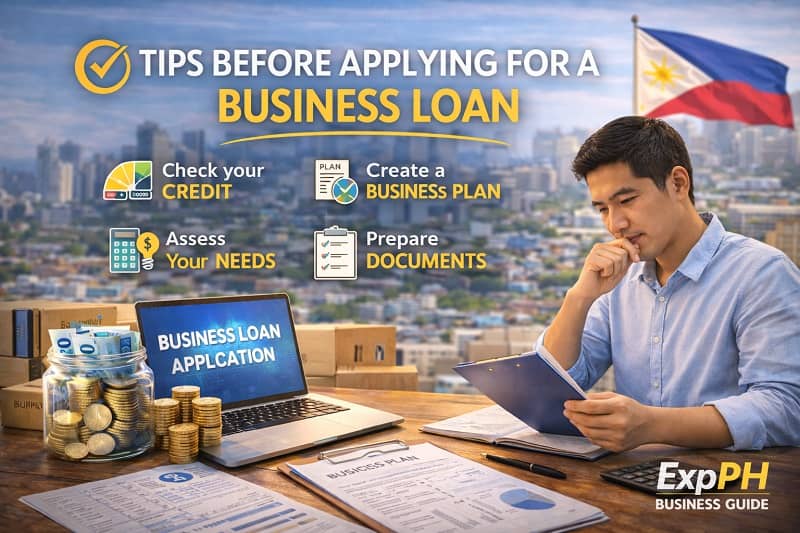
Applying for Small Business Loans Philippines requires careful preparation. Entrepreneurs should evaluate their business needs, financial condition, and repayment capacity before committing to any loan. Proper planning helps reduce financial risks and ensures that borrowed funds support sustainable growth and responsible business operations.
Calculate the Exact Funding Requirement
Entrepreneurs should determine the exact amount their business truly needs before applying for financing. Borrowing more than necessary can create unnecessary financial pressure and increase repayment obligations. Careful planning helps ensure that loan funds are used efficiently and support essential business activities or growth opportunities.
Compare Interest Rates and Terms
Interest rates and repayment terms vary among lenders in the Philippines. Entrepreneurs should carefully review available financing options before choosing a loan. Comparing interest rates, payment schedules, and additional fees helps businesses identify the most suitable Small Business Loans Philippines option while avoiding unnecessary financial costs.
Prepare a Simple Business Plan
Even small businesses benefit from preparing a clear business plan before applying for financing. A well organized plan helps lenders understand how the business operates, generates income, and plans to grow. It also supports stronger applications for Small Business Loans Philippines by demonstrating preparation and financial responsibility.
A simple business plan should explain:
- Business model
- Revenue sources
- Market opportunity
- Financial projections
A clear business plan increases lender confidence because it shows that the entrepreneur understands the market, financial goals, and operational strategy. This preparation helps lenders evaluate risk and improves the chances of receiving business financing approval.
Understand the Total Cost of the Loan
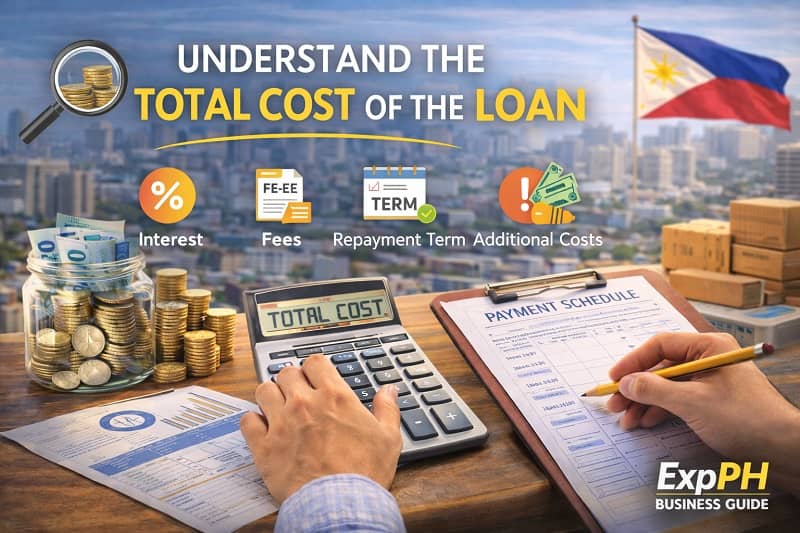
When applying for Small Business Loans Philippines, entrepreneurs should evaluate the complete cost of borrowing. Interest rates are important, but other charges can also affect the total repayment amount. Reviewing all loan expenses helps businesses make informed decisions and avoid unexpected financial pressure.
Entrepreneurs should also consider:
- Processing fees
- Service charges
- Penalties for late payments
Understanding the full cost of a loan helps entrepreneurs manage repayment more effectively. Careful evaluation of all charges allows businesses to plan finances properly, prevent unexpected expenses, and choose financing options that remain manageable throughout the loan repayment period.

Choosing the Right Financing Option
There is no single financing option that fits every entrepreneur. The best choice depends on the business stage, funding requirements, and repayment capacity. Evaluating these factors helps business owners select financing solutions that support growth while keeping financial responsibilities manageable.
For example:
- Startups may benefit from government programs or microfinance loans
- Growing businesses may prefer bank SME loans
- Companies with urgent funding needs may use fintech lending platforms
Carefully reviewing these options helps entrepreneurs choose the most suitable Small Business Loans Philippines solution. Understanding each financing method allows business owners to match funding sources with their operational needs, growth plans, and ability to repay borrowed funds responsibly.

Final Thoughts on Small Business Loans in the Philippines
Access to financing plays an important role in helping Filipino entrepreneurs build and sustain successful businesses. With the right funding, entrepreneurs can launch new ventures, expand operations, purchase equipment, or manage daily expenses during slower periods. Responsible use of Small Business Loans Philippines allows businesses to strengthen their financial foundation and respond to changing market opportunities. When used wisely, business financing can support long term stability, encourage innovation, and help small enterprises contribute to economic growth across different industries in the Philippines.
However, business loans should always be approached with careful planning and clear financial understanding. Entrepreneurs should review loan terms, compare interest rates, and study repayment conditions before making commitments. Responsible borrowing requires realistic planning and honest evaluation of business income and expenses. When entrepreneurs choose financing that matches their financial capacity, they reduce risks and improve their chances of maintaining healthy operations while gradually growing their businesses over time.
By choosing the right financing strategy, small businesses in the Philippines can build stronger foundations, achieve sustainable growth, and contribute to the country’s dynamic entrepreneurial ecosystem.
FAQs About Small Business Loans in the Philippines
What are the common types of small business loans in the Philippines?
Small business loans in the Philippines include bank SME loans, government financing programs, microfinance loans, credit lines, and fintech lending options designed for startups and growing businesses.
Who qualifies for small business loans in the Philippines?
Most lenders require businesses to be legally registered, with financial records, valid permits, and stable income. Some microfinance lenders accept smaller businesses with simpler requirements.
How much can small businesses borrow in the Philippines?
Loan amounts vary by lender and business capacity. Small businesses may borrow from around PHP 10,000 through microfinance, up to several million pesos through banks.
Are government loans available for small businesses in the Philippines?
Yes, the Philippine government offers financing programs through agencies like the Department of Trade and Industry and Small Business Corporation to support small enterprises.
What documents are needed when applying for a business loan?
Most lenders require business registration documents, valid identification, financial statements, bank statements, tax records, and permits to evaluate the business and determine repayment capacity.
How long does business loan approval take in the Philippines?
Approval time varies depending on the lender. Traditional banks may take several weeks, while online lenders or microfinance institutions sometimes approve applications within a few days.
Do startups qualify for small business loans in the Philippines?
Some startups qualify for financing through government programs, microfinance institutions, or fintech lenders. However, many banks prefer businesses with operating history and stable revenue.
What are the typical interest rates for small business loans?
Interest rates vary depending on the lender, loan amount, and risk profile. Bank loans usually offer lower rates, while online or short term lenders may charge higher.
Is collateral required for small business loans?
Some banks require collateral such as property, equipment, or deposits. However, many microfinance and fintech lenders offer unsecured loans based on business cash flow.
How can entrepreneurs improve their chances of loan approval?
Entrepreneurs can improve approval chances by maintaining strong financial records, registering their business properly, building credit history, preparing a business plan, and borrowing responsibly.
Want to Improve Your Business Finances?
Building a successful business requires continuous learning and access to reliable guidance. If you want to strengthen your knowledge about running and growing a business in the Philippines, explore the helpful guides below from ExpPH Business Guide. These resources provide practical insights that can help entrepreneurs manage operations, improve financial decisions, and develop sustainable business strategies.
You may also find these related guides useful:
- Business Bank Accounts in the Philippines: What You Need to Know
- Cash Flow Management Tips for Small Businesses in the Philippines
Each guide focuses on real challenges faced by Filipino entrepreneurs, from managing finances to building stronger business systems. Take time to explore these resources to gain practical knowledge that can help your business grow with confidence.
HD Quiz Hub!
Test your knowledge and see how well you understand the different funding choices available to Filipino entrepreneurs.
Results


#1. Why do businesses usually apply for loans?
#2. Which institution commonly offers SME loans?
#3. Which government agency supports SME financing?
#4. What do lenders review before approval?
#5. Which option offers fast digital loan applications?
#6. What document proves legal business operation?
#7. What helps businesses manage cash flow?
#8. What financing method involves investors?
#9. Which loan type serves micro entrepreneurs?
#10. What improves loan approval chances?
Thank You for Taking the Quiz
We appreciate you taking the time to test your knowledge. Feel free to share your score or experience in the comments, and let us know which business topic you would like to learn about next.

A Filipino web developer with a background in Computer Engineering. Founder of ExpPH Blog and ExpPH Business Guide, two Philippines-focused platforms covering OFW guidance, business, finance, freelancing, travel, and lifestyle. Passionate about helping Filipinos grow, he creates practical content that educates, empowers, and inspires readers nationwide.