
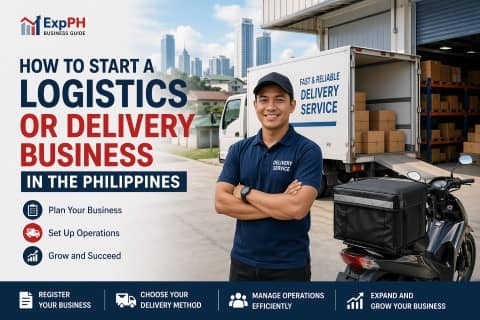
Starting a logistics or delivery service in the Philippines presents a practical and scalable business opportunity for new entrepreneurs. The steady growth of e-commerce, food delivery, and online selling continues to increase the need for fast and reliable delivery services. Many businesses and individual customers now rely on efficient logistics to support daily transactions and meet rising expectations for speed and convenience, making this industry a strong option for long-term growth.
If you plan to start delivery business Philippines, it is important to understand the complete process before launching your operations. This guide will help you learn the essential steps, including legal requirements, daily workflow, cost planning, and proven strategies for growth. With proper preparation and consistent service, you can build a delivery business that operates smoothly, attracts loyal customers, and grows into a stable and profitable venture over time.
If you are still exploring your options,
check out Best Profitable Small Business Ideas in the Philippines (Scalable Models 2026) to discover high-demand ideas you can start with low capital and grow over time.
Table of Contents
1. Why Start a Delivery Business in the Philippines?
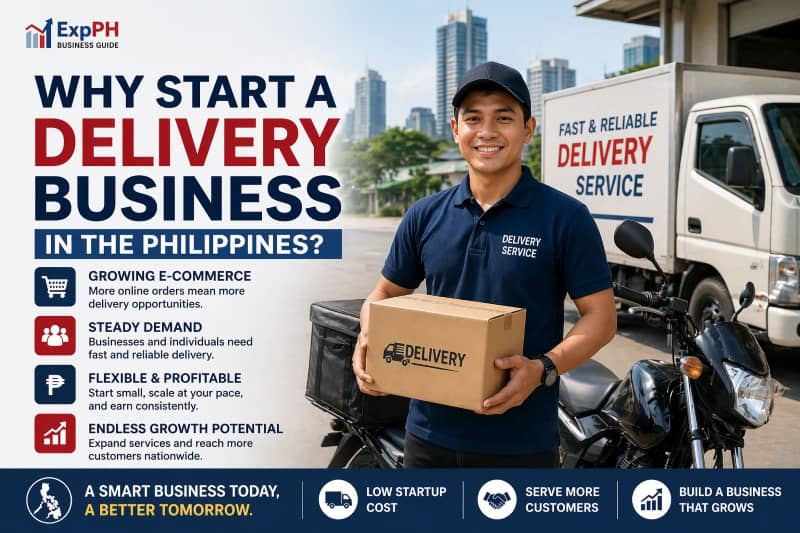
The logistics industry in the Philippines continues to grow as more people rely on delivery services for daily needs. Online marketplaces, small businesses, and individual customers regularly require fast and reliable shipping, creating strong demand for new delivery providers across both urban and provincial areas.
Growing Demand from E-commerce
E-commerce platforms such as Shopee and Lazada have increased the need for dependable delivery services. Sellers across the country depend on logistics partners to move products efficiently, making delivery businesses essential to support online transactions and customer satisfaction.
Rise of Small Online Sellers
Many Filipinos now operate home-based online businesses through social media and digital platforms. These small entrepreneurs rely on affordable and reliable delivery services to reach customers. This growing segment creates steady opportunities for new logistics providers that can offer consistent service and reasonable pricing.
Flexible Business Model
A delivery business can start with minimal resources such as a single motorcycle or vehicle. Owners can expand operations gradually as demand increases. This flexibility makes it suitable for beginners who want a manageable investment while building experience and scaling at a sustainable pace.
2. Types of Delivery Businesses You Can Start
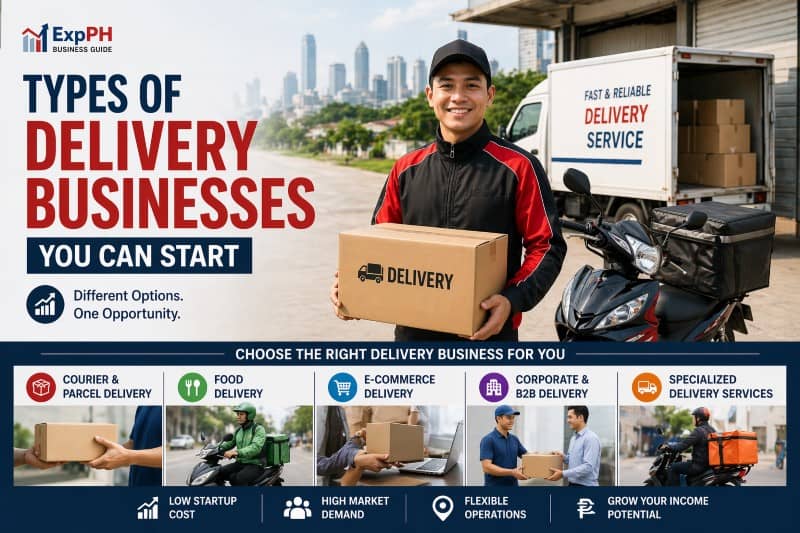
Selecting the right niche is an important first step before launching your delivery operations. Your choice will affect your target customers, required equipment, pricing strategy, and daily workflow. A clear focus helps you build expertise and stand out in a competitive logistics market.
Parcel and Courier Services
This type of delivery business focuses on transporting documents, parcels, and online orders for individuals and businesses. It is one of the most common and accessible options, with steady demand from e-commerce sellers and offices that need fast and reliable shipping services.
Food Delivery Services
Food delivery involves partnering with restaurants, cloud kitchens, or home-based food sellers. With the growing demand for convenient meals, this niche offers consistent opportunities. Success depends on speed, proper handling, and maintaining food quality during transport to ensure customer satisfaction.
Last-Mile Delivery
Last-mile delivery means working with larger logistics companies to complete the final step of delivery to customers. This model provides steady work through partnerships and contracts. It is ideal for small operators who want predictable income without handling full logistics operations.
Specialized Delivery
Specialized delivery focuses on handling sensitive or urgent items such as fragile goods, medical supplies, or same-day deliveries. This niche requires extra care and reliability but often allows higher pricing due to the added value and specialized handling involved in each transaction.
3. Legal Requirements to Start Delivery Business Philippines
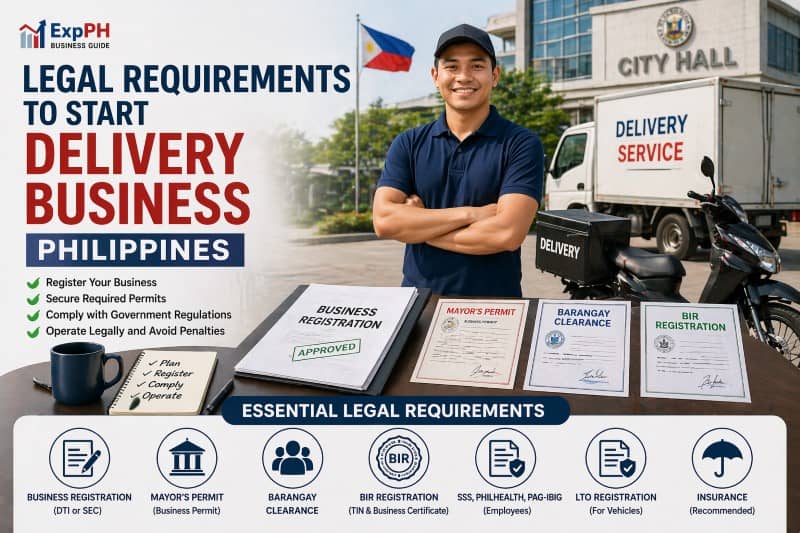
Before you begin operations, you must complete the required registrations to ensure your delivery business is legal and compliant. Proper documentation helps you avoid penalties, build credibility, and operate smoothly while dealing with customers, partners, and government agencies.
Business Registration
Register your business name with the Department of Trade and Industry if you are operating as a sole proprietor. This step gives your business a legal identity and allows you to conduct transactions under a registered and recognized business name.
Barangay and Mayor’s Permit
Secure a barangay clearance and a mayor’s permit from your local government unit where your business operates. These permits confirm that your business complies with local regulations and is authorized to operate within your specific area or city.
BIR Registration
Register your business with the Bureau of Internal Revenue to obtain your Tax Identification Number and authority to print official receipts. This step ensures you can pay taxes correctly and issue valid receipts to customers and business partners.
Vehicle Registration
Make sure all delivery vehicles are properly registered with the Land Transportation Office. Valid registration ensures your vehicles are roadworthy and compliant with national transportation laws, helping you avoid fines and operational disruptions during daily deliveries.
For official guidance and updated procedures, you can visit the Department of Trade and Industry website.
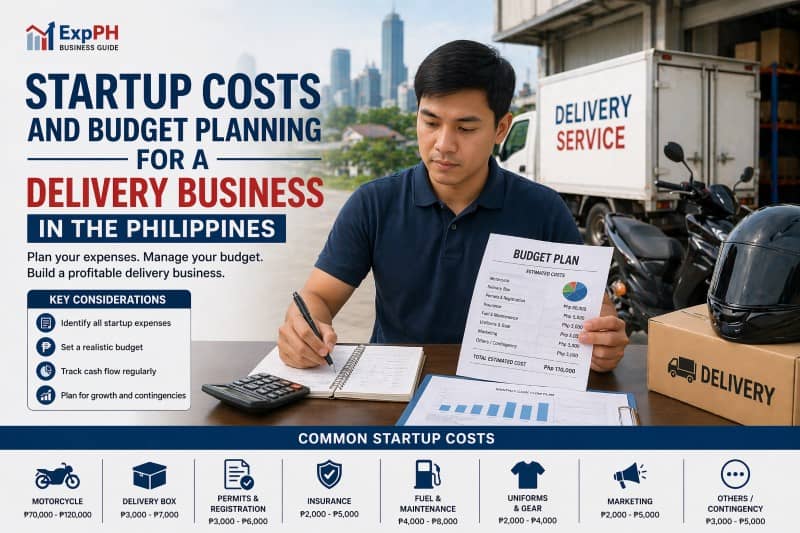
4. Startup Costs and Budget Planning for a Delivery Business in the Philippines
The cost of starting a delivery business in the Philippines depends on your scale, service type, and available resources. Careful planning helps you control expenses, avoid financial pressure, and build a stable foundation while growing your operations and attracting consistent customers.
Estimated Initial Costs
Your startup expenses will vary, but most delivery businesses begin with essential operational costs such as:
- Motorcycle or van purchase or lease
- Fuel and regular maintenance
- Business registration fees
- Mobile phone and internet expenses
- Marketing and basic branding
These costs are necessary to ensure smooth daily operations and professional service.
Cost-Saving Tips
You can lower your initial expenses by applying practical strategies such as:
- Start with one vehicle and expand later
- Use second-hand but reliable units
- Operate from home to reduce rental costs
- Use free online marketing platforms like Facebook
Managing your budget carefully during the early stage helps maintain cash flow, reduce risks, and support steady business growth over time.
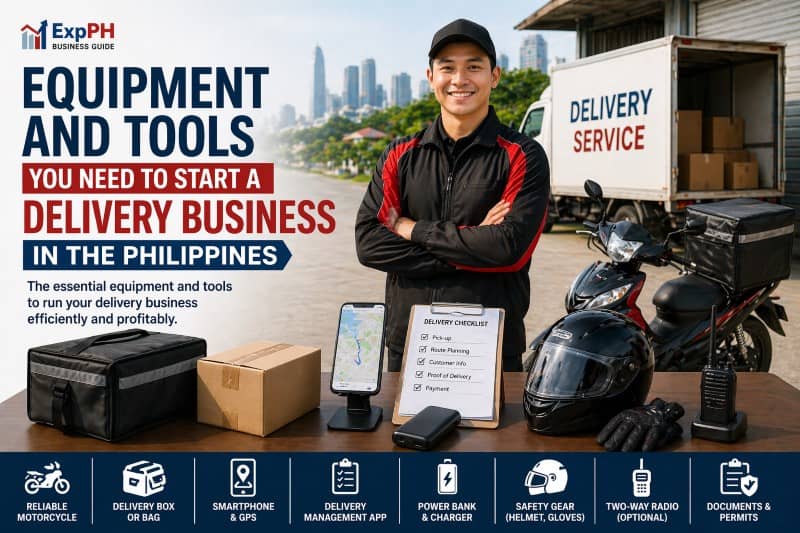
5. Equipment and Tools You Need to Start a Delivery Business in the Philippines
Running a delivery business efficiently requires the right tools to support daily operations. Proper equipment improves speed, safety, and reliability while helping you deliver consistent service. Investing in essential tools early allows you to handle orders smoothly and maintain customer satisfaction as your business grows.
Essential Equipment
To operate effectively, you will need the following basic equipment:
- Motorcycle or delivery van
- Smartphone with GPS capability
- Insulated boxes for food delivery
- Packaging materials for parcels
These tools ensure your deliveries are handled properly and reach customers in good condition.
Useful Technology
Technology plays an important role in improving efficiency and accuracy. Apps like Google Maps help drivers find faster routes and avoid traffic delays. You can also use delivery tracking systems to monitor orders, improve coordination, and provide better updates to customers.
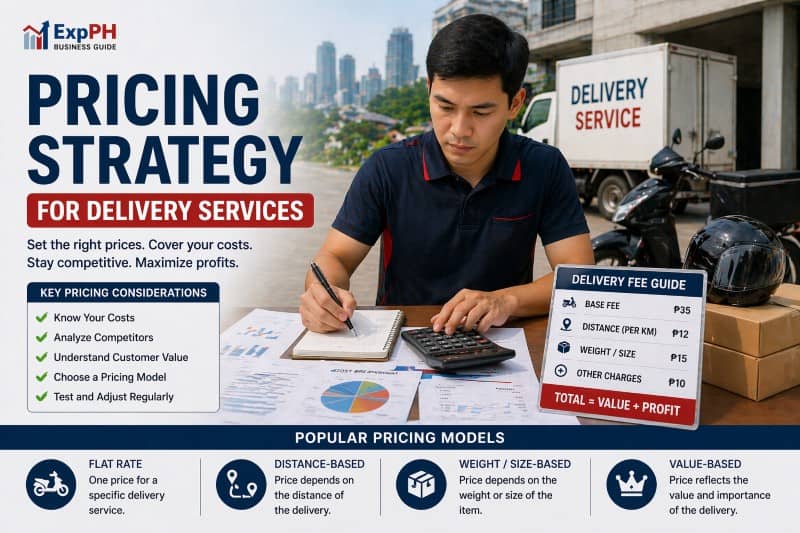
6. Pricing Strategy for Delivery Services
Setting the right pricing is essential for maintaining profitability and long-term sustainability. Your rates should cover operational costs while remaining competitive in your area. A well-planned pricing strategy helps attract customers, build trust, and ensure your delivery business generates consistent and reliable income.
Common Pricing Models
Delivery businesses typically use different pricing structures depending on their service type and target market:
- Flat rate per delivery
- Distance-based pricing
- Weight-based charges
- Subscription plans for regular clients
Choosing the right model allows you to balance affordability for customers and profitability for your business.
Competitive Pricing Tips
To stay competitive, study local delivery providers and understand their pricing strategies. Focus on offering value through reliability, speed, and good customer service instead of simply lowering your rates. Customers are more likely to choose dependable services over cheaper but inconsistent delivery options.
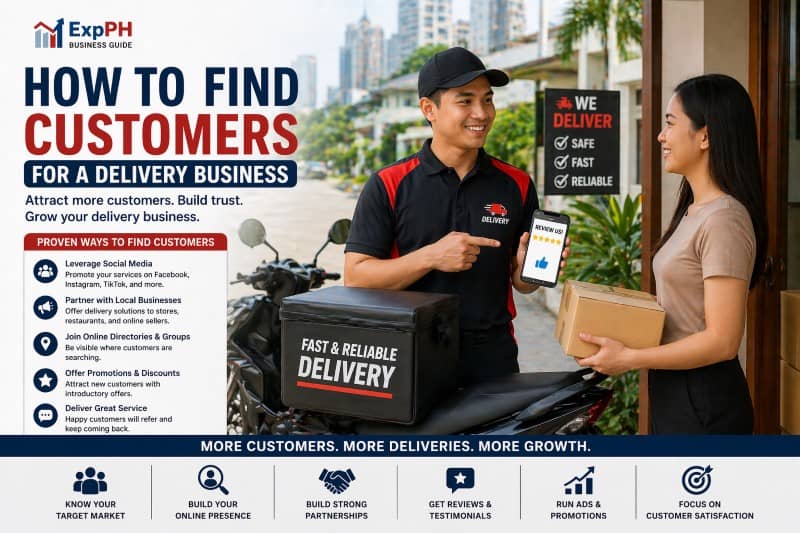
7. How to Find Customers for a Delivery Business
Finding your first customers is a critical step when starting a delivery business. Early clients help build your reputation and generate steady income. Focus on simple and practical strategies that connect you directly with people who need reliable delivery services in your area
Partner with Online Sellers
Connect with small online sellers through social media platforms and offer your delivery services. Many home-based businesses need affordable and dependable logistics support. Building partnerships with these sellers can provide regular bookings and help establish your presence in the local delivery market.
Use Social Media Marketing
Create a business page on Facebook and post updates regularly to showcase your services. Join local buy and sell groups to reach potential customers. Consistent activity helps increase visibility and allows people to discover your delivery business easily.
Offer Promotions
Attract new customers by offering simple promotions such as discounts for first-time users or reduced rates for bulk deliveries. These offers encourage people to try your service and can lead to repeat bookings if they are satisfied with your delivery speed and reliability.
Build Long-Term Relationships
Providing reliable service encourages customers to return and recommend your business to others. Good communication, timely deliveries, and professional handling of items help build trust. Strong relationships with clients often lead to repeat bookings and valuable word-of-mouth referrals over time.
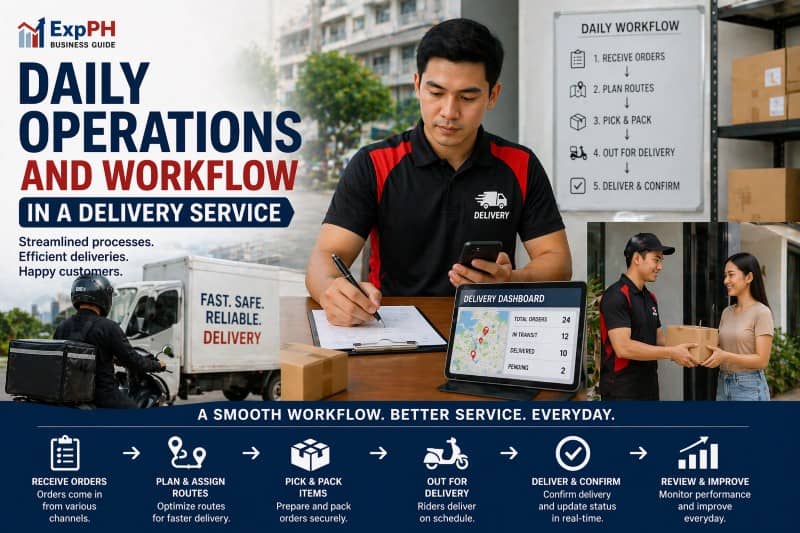
8. Daily Operations and Workflow in a Delivery Service
Efficient daily operations are essential for keeping your delivery business organized and reliable. A clear workflow helps reduce delays, control costs, and improve service quality. Consistent processes also make it easier to handle more orders as your business grows over time.
Order Management
Carefully manage all incoming bookings, delivery schedules, and payment records to avoid confusion and missed transactions. Keeping accurate and updated information ensures smooth coordination between you and your customers while helping you track performance and maintain a professional and dependable service.
Route Planning
Plan delivery routes in advance to minimize travel time and reduce fuel expenses. Efficient routing allows you to complete more deliveries within the day and avoid unnecessary delays. This improves productivity and helps ensure that customers receive their orders on time.
Customer Communication
Keep customers informed about their delivery status through timely updates and clear communication. Providing accurate information builds trust and reduces complaints. Good communication also shows professionalism and helps create a positive experience that encourages repeat business and referrals.
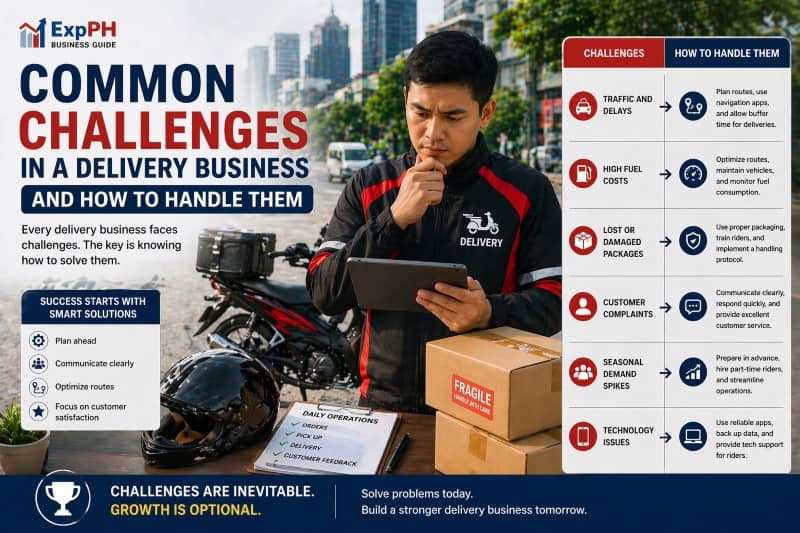
9. Common Challenges in a Delivery Business and How to Handle Them
Every delivery business faces challenges, especially in logistics where timing and reliability matter. Understanding common issues allows you to prepare effective solutions. With proper planning and consistent improvement, you can reduce risks, maintain service quality, and keep your operations running smoothly.
Traffic and Delays
Traffic congestion and unexpected delays can affect delivery schedules and customer satisfaction. Plan alternative routes in advance and allow extra time for each delivery. Using navigation apps like Google Maps can help you adjust routes quickly and avoid heavily congested areas.
Vehicle Maintenance
Regular vehicle maintenance is important to prevent breakdowns and service interruptions. Schedule routine checks for your motorcycle or delivery vehicle, including oil changes and tire inspections. Keeping your vehicle in good condition helps ensure safety, reduces repair costs, and supports consistent daily operations.
Competition
Competition in the delivery industry can be strong, especially in busy areas. Instead of lowering prices too much, focus on delivering consistent service, reliability, and good customer experience. Building trust and maintaining quality can help your business stand out and retain loyal customers.
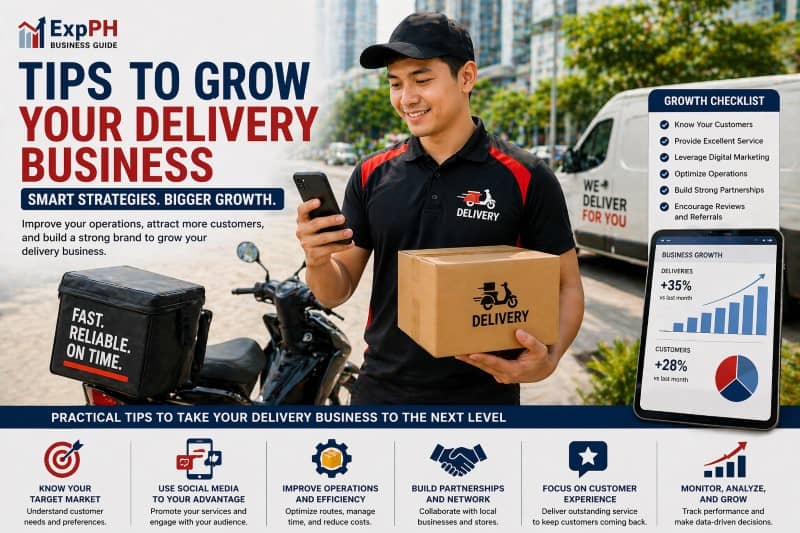
10. Tips to Grow Your Delivery Business
Once your delivery business becomes stable, focus on expanding your operations to increase income and reach more customers. Growth requires careful planning, consistent service quality, and smart investments that allow you to scale without losing efficiency or customer satisfaction.
Add More Vehicles
Increasing the number of vehicles allows you to handle more deliveries and serve a wider customer base. As demand grows, adding motorcycles or vans helps improve capacity, reduce waiting times, and ensure faster service for both new and existing clients.
Hire Riders
Hiring and training reliable riders helps maintain consistent service as your business expands. Well-trained staff can follow proper procedures, handle deliveries professionally, and represent your brand positively, which is important for building trust and keeping customers satisfied.
Use Technology
Investing in technology such as delivery tracking systems and booking platforms can improve efficiency and organization. Tools like Google Maps also support better route management, helping your team save time, reduce costs, and deliver orders more accurately.
Expand Service Areas
Start by focusing on your local area, then gradually expand to nearby cities or provinces as your operations grow. Expanding coverage increases your customer base and revenue potential, but it should be done carefully to maintain service quality and operational control.
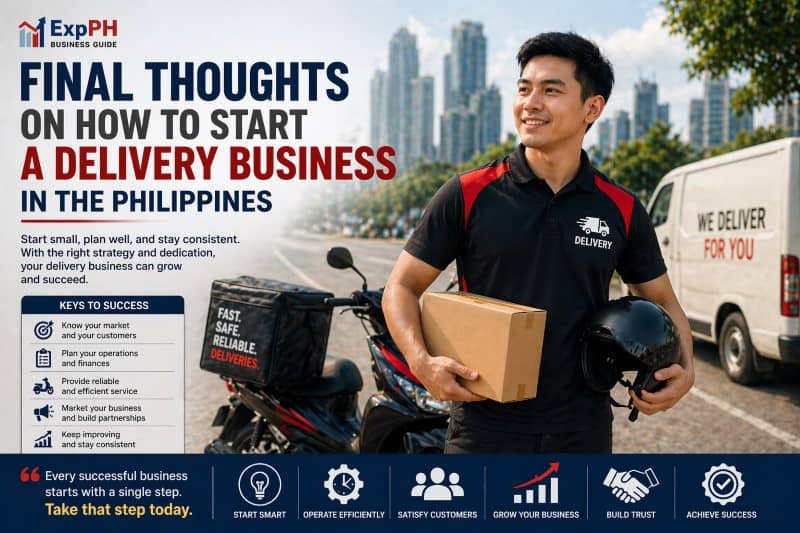
Final Thoughts on How to Start a Delivery Business in the Philippines
Starting a logistics or delivery service in the Philippines is a practical and scalable business opportunity, especially with the continued growth of online shopping and local commerce. If you plan to start delivery business Philippines, begin with a clear strategy, realistic budget, and well-defined service offering. Focus on building strong daily operations, maintaining reliability, and delivering consistent customer satisfaction. A solid foundation will help you manage challenges effectively and create a business that can grow steadily over time.
The demand for delivery services already exists across cities and provinces, driven by e-commerce, small businesses, and everyday consumer needs. Your success depends on how well you position your services to meet this demand with professionalism and consistency. By focusing on efficiency, customer trust, and continuous improvement, your delivery business can grow from a small startup into a stable and profitable venture that supports long-term success in the Philippine market.
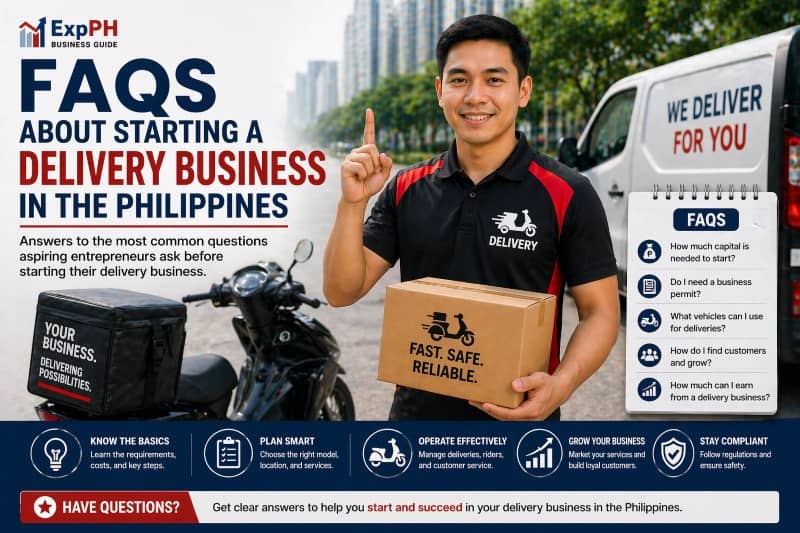
FAQs About Starting a Delivery Business in the Philippines
What is the first step to start a delivery business in the Philippines?
The first step is choosing your business type and registering it with the Department of Trade and Industry or Securities and Exchange Commission, depending on structure.
How much capital is needed to start a delivery business?
Startup costs vary depending on scale, but many begin with a motorcycle, registration fees, fuel budget, and basic tools, allowing small entrepreneurs to start with manageable investment.
Do I need a business permit for a delivery service?
Yes, you need barangay clearance, a mayor’s permit, and Bureau of Internal Revenue registration to operate legally and issue official receipts for your delivery services.
What vehicle is best for a delivery business?
Motorcycles are ideal for small and fast deliveries, while vans are better for larger shipments, depending on your target customers, service type, and delivery coverage area.
How can I find customers for my delivery business?
You can find customers by partnering with online sellers, promoting services on social media, joining local groups, and offering reliable service that encourages repeat clients and referrals.
Is a delivery business profitable in the Philippines?
A delivery business can be profitable with proper planning, efficient operations, and consistent demand, especially with the continued growth of e-commerce and small online businesses.
What are the common challenges in delivery businesses?
Common challenges include traffic delays, vehicle maintenance issues, and strong competition, which require proper planning, regular maintenance, and consistent service quality to overcome effectively.
Do I need to hire riders immediately?
You can start alone if your operations are small, then hire trained riders as demand grows to maintain service quality and handle increasing delivery volume efficiently.
What pricing strategy should I use for deliveries?
You can use flat rates, distance-based pricing, or weight-based charges, ensuring your rates cover costs while staying competitive and offering value through reliable and timely service.
How can I grow my delivery business over time?
You can grow your business by adding vehicles, hiring reliable staff, improving operations, expanding service areas, and investing in technology to increase efficiency and customer satisfaction.
Ready to Start Your Business in the Philippines?
If you’re serious about launching your delivery business, make sure you understand the full process from registration to budgeting and growth.
Read the Complete Guide to Starting a Business in the Philippines (Registration, Costs, and Steps 2026)
Learn everything you need to start legally, manage your costs, and build a successful business step by step.
Related Guides:
- How to Start a Franchise Business in the Philippines (Costs, Pros, and Risks Explained)
- How to Start a Rice Retail Business in the Philippines
Thinking of starting your own delivery service?
Take this quick quiz to test what you’ve learned about how to start a logistics or delivery business in the Philippines. It’s simple, practical, and designed to help you remember the key steps.
Results


#1. What is the first step to start a delivery business?
#2. Which agency handles business name registration?
#3. What permit is required from your local government?
#4. Which vehicle is commonly used for small deliveries?
#5. What is a common pricing model for deliveries?
#6. Which platform helps promote delivery services online?
#7. What is last-mile delivery?
#8. Why is route planning important?
#9. What is a cost-saving strategy?
#10. What helps grow your delivery business?
Thanks for completing the quiz!
Share your score or experience in the comments and let others know how you did. Your journey to building a successful delivery business starts with learning.

A Filipino web developer with a background in Computer Engineering. Founder of ExpPH Blog and ExpPH Business Guide, two Philippines-focused platforms covering OFW guidance, business, finance, freelancing, travel, and lifestyle. Passionate about helping Filipinos grow, he creates practical content that educates, empowers, and inspires readers nationwide.