

Running a business in the Philippines involves more than selling products or providing services. Entrepreneurs must also ensure that their business permits remain valid and updated every year. Missing a renewal deadline can lead to penalties, operational delays, or even temporary closure.
Understanding the Annual Business Permit Renewal Philippines process is essential for both new and experienced business owners. Many entrepreneurs only focus on initial registration, but yearly compliance requirements are just as important for keeping a business legally operational.
This guide explains the key permits and registrations that must be renewed annually in the Philippines, along with practical tips to help you stay compliant and avoid unnecessary fines.
Table of Contents

Why Annual Business Permit Renewal Matters
Renewing business permits each year is a legal requirement for companies operating in the Philippines. Local government units and national agencies require annual updates to confirm that businesses follow safety rules, meet tax responsibilities, and comply with operational regulations required for lawful and responsible business activity.
Annual renewal helps ensure that:
- Your business continues operating legally
- Local taxes and regulatory fees stay updated
- Business records remain accurate with government agencies
- Safety and operational standards are properly maintained
Failing to complete the Annual Business Permit Renewal Philippines requirements on time can lead to penalties and operational problems. Local governments may impose surcharges or interest charges and in some cases may suspend business operations until the required permits and payments are properly completed.

Practical Tips for a Smooth Renewal Process
Managing the Annual Business Permit Renewal Philippines process becomes easier when business owners prepare early and stay organized. Proper planning helps avoid delays penalties and repeated visits to government offices. Following practical steps can make the renewal process faster and more efficient.
Start Early
Begin preparing required documents in late December or early January. Early preparation allows enough time to gather permits clearances and certificates before renewal deadlines. Starting early also helps business owners avoid long queues heavy crowds and slow processing at government offices.
Keep Digital Copies
Saving digital copies of important documents helps simplify future renewals. Scanned copies of permits receipts and certificates make it easier to track records and submit requirements when needed. Organized digital files can also help businesses quickly replace lost or damaged documents.
Check LGU Announcements
Many local government units publish renewal schedules updated requirements and new procedures through official websites and social media pages. Monitoring these announcements helps business owners stay informed and prepare documents based on the latest guidelines from their city or municipality.
Consider Online Renewal Options
Some cities and municipalities now offer online permit renewal platforms. These digital services allow businesses to submit documents track applications and pay fees electronically. Using online systems can reduce waiting time and make the renewal process more convenient.
6 Business Permits You Must Renew Every Year in the Philippines
Businesses in the Philippines must renew several permits and registrations each year to remain compliant with local and national regulations. These renewals confirm that operations follow government requirements, maintain accurate records, and continue meeting safety, tax, and operational standards required for lawful business activity.

1. Mayor’s Permit (Business Permit)
The Mayor’s Permit, also known as the Business Permit, is one of the most important licenses required to operate a business in any Philippine city or municipality. It confirms that a company is recognized by the local government and allowed to conduct commercial activities within its jurisdiction.
Why It Is Required
This permit confirms that a business follows local government regulations and community standards. It shows that the establishment complies with rules on zoning, sanitation, and fire safety. Local authorities require this permit to ensure businesses operate responsibly within the community.
Renewal Schedule
Mayor’s Permits must usually be renewed every January. Most local government units allow business owners to process renewals from January 1 to January 20 without penalties. Completing the process early helps avoid long queues, processing delays, and additional charges.
Renewal Requirements
Requirements may vary depending on the city or municipality. However, most local governments require several standard documents and clearances before approving the renewal of a Mayor’s Permit for the new business year.
Common requirements include:
- Previous Mayor’s Permit
- Barangay Clearance
- Community Tax Certificate (Cedula)
- Fire Safety Inspection Certificate
- Updated business tax payment
Business owners can review official renewal procedures through their local government offices or by visiting the Department of Trade and Industry business portal:
https://business.gov.ph
2. Barangay Clearance
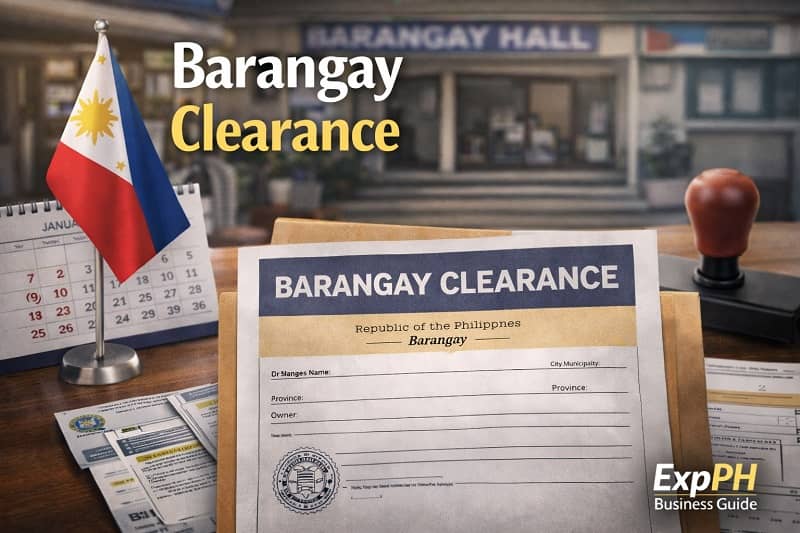
A Barangay Clearance confirms that a business operates within the jurisdiction of a specific barangay and follows community rules. This document verifies that the establishment is recognized by local authorities and complies with basic regulations that support orderly and responsible business operations.
Why It Is Required
Local government units require a Barangay Clearance before issuing or renewing the Mayor’s Permit. The clearance shows that the business has approval from the barangay where it operates and that there are no community related issues affecting its operation.
Renewal Frequency
Barangay Clearance is typically renewed every year as part of the annual permit renewal process. Business owners must secure this document first because many cities and municipalities require it before processing the renewal of the Mayor’s Permit.
Common Requirements
Requirements may vary depending on the barangay. However, most barangay offices request basic documents that confirm the identity and location of the business before issuing the clearance.
Common requirements include:
- Business registration documents
- Previous Barangay Clearance
- Proof of business address
- Payment of barangay fees
Since this clearance is required before renewing the Mayor’s Permit, business owners should process it early to avoid delays during the annual permit renewal period.
3. BIR Annual Registration Fee
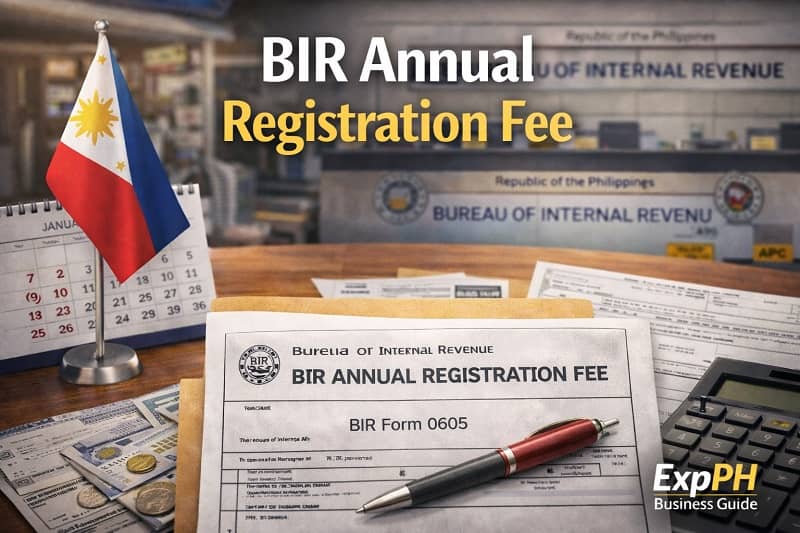
Businesses registered with the Bureau of Internal Revenue must maintain active tax registration by paying the required annual registration fee. This payment confirms that the business remains officially registered with the national tax authority and continues to comply with Philippine tax regulations.
What Is the Annual Registration Fee
The BIR Annual Registration Fee is a required yearly payment for registered businesses. It keeps the business tax account active and confirms that the company remains compliant with national tax rules. Paying this fee is an essential part of responsible financial and regulatory management.
Renewal Deadline
The payment deadline for the BIR Annual Registration Fee is usually January 31 each year. Business owners should complete the payment before this date to avoid penalties, interest charges, and possible compliance issues with the tax authority.
Payment Method
The Bureau of Internal Revenue allows several payment options to make the process more convenient for business owners. These options help businesses complete their tax compliance obligations through both traditional and digital channels.
Business owners can pay through:
- Authorized agent banks
- Online payment platforms
- Revenue Collection Officers
You can verify the latest guidelines and payment procedures through the official BIR website:
https://www.bir.gov.ph
Failing to pay this fee on time may result in penalties and additional interest charges imposed by the tax authority.
4. Fire Safety Inspection Certificate
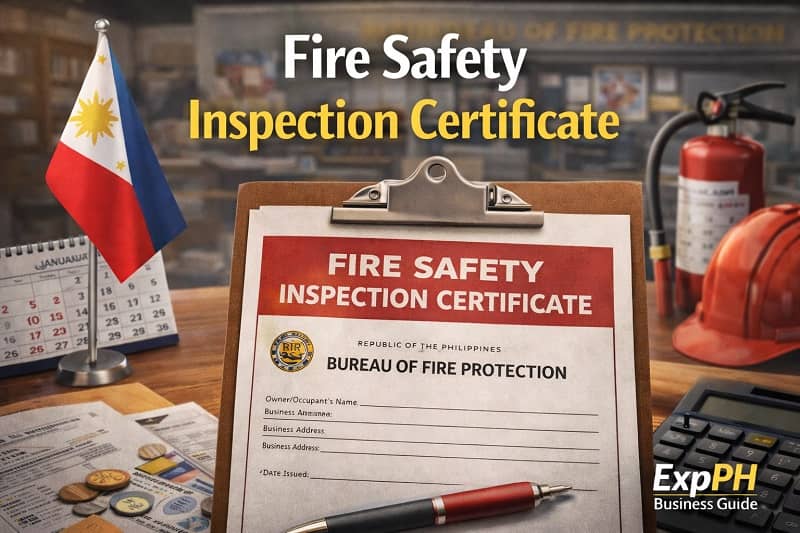
The Fire Safety Inspection Certificate (FSIC) is issued by the Bureau of Fire Protection. This certificate confirms that a business establishment follows required fire safety regulations and maintains equipment and safety measures that help prevent fire related incidents in workplaces.
Purpose of the Certificate
The FSIC verifies that a business location meets fire safety standards established by authorities. It confirms that fire prevention equipment is installed and functioning properly. This inspection helps protect employees customers and nearby establishments from possible fire hazards.
Renewal Process
The Fire Safety Inspection Certificate is usually renewed every year. Many local government units require this certificate before approving the renewal of the Mayor’s Permit. Completing the inspection early helps businesses avoid delays during the annual permit renewal period.
Typical Inspection Requirements
During the inspection process Bureau of Fire Protection personnel check whether the establishment follows fire safety guidelines and maintains proper emergency equipment and systems.
Inspectors commonly review:
- Fire extinguishers
- Emergency exits
- Fire alarm systems
- Electrical safety compliance
Businesses that fail inspection must correct all identified safety issues before the certificate can be issued. This ensures that the establishment meets the required fire safety standards.
5. Sanitary Permit
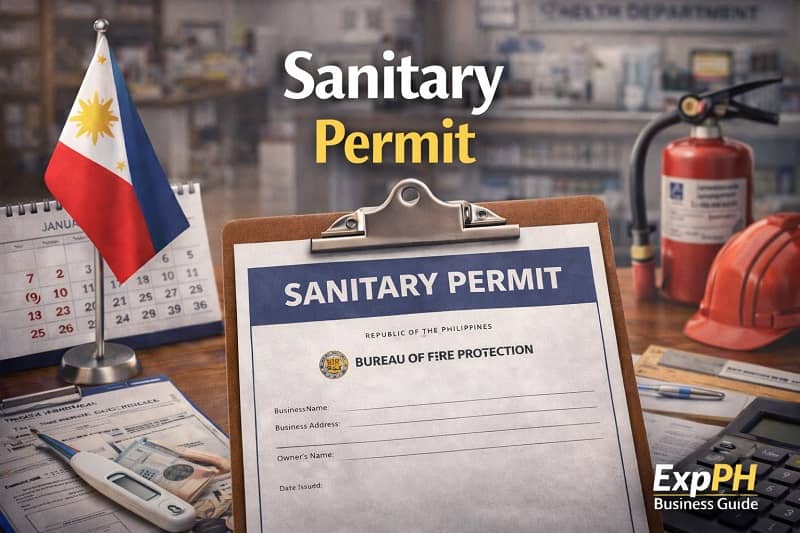
Businesses involved in food service healthcare beauty services and other sanitation sensitive industries must renew their Sanitary Permit each year. This permit confirms that establishments follow health regulations and maintain clean safe environments that protect customers employees and the general public.
Businesses That Need This Permit
Many service oriented businesses must secure and renew a sanitary permit because their operations directly affect public health and hygiene standards.
Examples include:
- Restaurants and cafes
- Food stalls and catering services
- Clinics and medical establishments
- Beauty salons and spas
Renewal Requirements
Renewing a sanitary permit usually requires health related documents and inspection from the local health office. These steps ensure that the establishment continues to meet sanitation and hygiene regulations.
Typical requirements include:
- Health certificates for employees
- Sanitation inspection
- Payment of local sanitation fees
Local health authorities usually inspect the business premises before approving renewal. The inspection confirms that the establishment maintains proper sanitation practices and complies with public health standards.

6. Community Tax Certificate (Cedula)
The Community Tax Certificate, commonly called a Cedula, is a simple but important document often required during the annual business permit renewal process. Local government offices request this certificate to confirm that community taxes have been paid before processing certain official transactions.
Who Needs It
Both individuals and corporations operating a business may be required to present a Cedula when renewing permits. Local government offices use this document as supporting identification and proof that the business owner or company has fulfilled basic community tax obligations.
Where to Get It
Cedulas are easy to obtain from local government offices that handle community tax payments. Business owners can request the certificate quickly by presenting identification and paying the required community tax.
Cedulas can be obtained from:
- City or municipal treasurer’s office
- Barangay offices
This certificate serves as proof that community tax has been paid and is often used as identification during official transactions with local government offices.

Common Mistakes During Annual Business Permit Renewal Philippines
Many business owners experience delays and penalties during the renewal process because of avoidable mistakes. Understanding common problems during the Annual Business Permit Renewal Philippines process helps entrepreneurs prepare documents early and follow the correct procedures required by local government offices.
Missing Renewal Deadlines
One of the most common mistakes is waiting until the last days of January to renew permits. Heavy crowds and slow processing can cause delays. When deadlines pass businesses may face penalties surcharges or temporary suspension of operations.
Incomplete Requirements
Submitting incomplete documents often slows the renewal process. Missing certificates receipts or clearances can lead to rejected applications. Business owners may need to return to government offices multiple times which increases processing time and creates unnecessary inconvenience.
Ignoring Inspection Requirements
Some businesses forget that inspections are required before certain permits can be renewed. Fire safety and sanitation inspections must usually be completed before the Mayor’s Permit is approved. Failing to schedule these inspections early may delay the renewal process.
Not Updating Business Information
If a business changes address ownership structure or type of operation during the year records must be updated during renewal. Accurate information helps government offices maintain correct business records and prevents compliance problems in future permit transactions.
The Growing Role of Technology in Permit Renewal
Technology continues to improve business compliance processes in the Philippines. Many cities now use digital systems that allow entrepreneurs to renew permits online. These platforms help businesses submit documents pay fees and monitor applications without visiting government offices.
Benefits of Online Renewal Platforms
Digital renewal systems provide practical advantages for both businesses and local government offices. They simplify document submission reduce processing delays and improve service efficiency.
Benefits of these platforms include:
- Faster processing
- Reduced physical queues
- Easier tracking of application status
- Improved transparency in government services
As more local government units adopt digital services the Annual Business Permit Renewal Philippines process will likely become more efficient. Online systems help simplify compliance improve convenience and support modern government services for entrepreneurs across the country.
Final Thoughts on Renewing Your Business Permit in the Philippines
Complying with the Annual Business Permit Renewal Philippines requirements is essential for maintaining legal business operations and avoiding penalties or disruptions. While the process may involve several permits, inspections, and supporting documents, proper preparation makes the renewal process more organized and manageable. Business owners who understand the steps involved can plan ahead, prepare documents early, and avoid delays. Staying compliant also helps build credibility with government agencies, customers, and partners, which supports long term business stability and responsible entrepreneurship.
Renewing important documents such as the Mayor’s Permit, Barangay Clearance, BIR registration, and Fire Safety Inspection Certificate on time protects your business from regulatory problems. These renewals confirm that your company continues to meet local and national requirements. Maintaining updated permits also helps ensure smoother transactions with government offices, financial institutions, and suppliers. Businesses that consistently follow renewal schedules demonstrate responsible management and strengthen their foundation for long term growth and sustainable operations in the Philippines.
Successful entrepreneurs treat compliance as an essential part of responsible business management. Staying organized, informed, and proactive helps ensure that your business continues operating smoothly while building a strong and trusted presence in the Philippine business community.
FAQs About Annual Business Permit Renewal in the Philippines
What is the most important permit to renew annually for businesses in the Philippines?
The Mayor’s Permit is the most important annual renewal requirement. It allows your business to legally operate within a city or municipality and confirms compliance with local regulations.
When should businesses renew their permits in the Philippines?
Most local government units require business permit renewal every January. Processing usually begins January 1 and ends January 20 to avoid penalties and additional charges.
What happens if a business fails to renew its permits on time?
Failure to renew permits on time may result in penalties, surcharges, or temporary closure. Businesses may also face delays when applying for other government services.
Is Barangay Clearance required every year for businesses?
Yes, Barangay Clearance must typically be renewed every year. It confirms that your business operates within the barangay and follows local community regulations and requirements.
Do businesses need to pay the BIR registration fee every year?
Yes, registered businesses must pay the BIR Annual Registration Fee every year. The payment keeps the tax registration active and ensures compliance with national tax requirements.
What is a Fire Safety Inspection Certificate for businesses?
The Fire Safety Inspection Certificate confirms that a business establishment meets fire safety standards. It is issued after inspection by the Bureau of Fire Protection authorities.
Which businesses need a sanitary permit renewal each year?
Businesses related to food, healthcare, or personal services usually need a sanitary permit. Restaurants, clinics, and salons must renew this permit to ensure public health compliance.
Can business permit renewal be done online in the Philippines?
Some cities and municipalities now offer online business permit renewal services. These systems allow entrepreneurs to submit documents, pay fees, and track applications digitally.
Why do local government units require annual business permit renewal?
Local governments require annual renewal to update business records, collect taxes, and ensure companies continue following safety, sanitation, and operational regulations within their jurisdiction.
What documents are usually needed for annual permit renewal?
Typical requirements include the previous business permit, Barangay Clearance, community tax certificate, fire safety certificate, and updated tax payments required by the local government office.
Continue Your Business Registration Journey
Now that you understand which permits must be renewed every year, learn the complete process from start to finish:
How to Register a Business in the Philippines (Complete Guide)
If you want to keep improving your business knowledge, explore these helpful guides from ExpPH Business Guide. Each one provides practical insights for Filipino entrepreneurs and small business owners who want to grow with confidence:
- Barangay Clearance, Mayor’s Permit, and BIR Explained Simply
- How to Register a Business Name in the Philippines
These guides will help you better understand key areas of business management such as compliance, planning, and growth strategies, helping you build a stronger foundation for long-term success.
HD Quiz Hub!
Take this quick quiz to test your knowledge about Annual Business Permit Renewal Philippines requirements.
Results


#1. Which permit allows a business to legally operate in a city?
#2. When do most business permit renewals happen?
#3. Which document confirms barangay approval?
#4. Which agency issues fire safety certificates?
#5. What tax payment keeps BIR registration active?
#6. Which permit focuses on health standards?
#7. What happens if permits expire?
#8. Which document proves community tax payment?
#9. Which authority usually issues Mayor’s Permit?
#10. What helps speed up renewals today?
Thanks for testing your knowledge
If you found this quiz helpful, share your score or learning experience in the comments and help other entrepreneurs stay informed.

A Filipino web developer with a background in Computer Engineering. Founder of ExpPH Blog and ExpPH Business Guide, two Philippines-focused platforms covering OFW guidance, business, finance, freelancing, travel, and lifestyle. Passionate about helping Filipinos grow, he creates practical content that educates, empowers, and inspires readers nationwide.