

Starting a small neighborhood store is one of the most practical ways to build a steady source of income in the Philippines. If you are searching for how to start a sari-sari store, this guide will help you understand each step clearly. It covers important areas such as planning your business, preparing your capital, securing permits, choosing the right products, and managing daily operations so you can start with confidence and avoid common beginner mistakes.
Whether you are an aspiring entrepreneur, an OFW planning to invest your savings back home, or someone looking for a reliable side income, a sari-sari store remains one of the most accessible business options available. It does not require advanced skills or a large investment, making it ideal for beginners. With proper management and consistent effort, it can grow into a stable source of income that supports your long term financial goals.
If you are still deciding which business is right for you, read our complete beginner guide on How to Choose a Small Business in the Philippines (2026 Guide for Beginners) to explore more profitable and practical options before starting your sari-sari store.
Table of Contents

1. Why a Sari-Sari Store Is Still a Strong Business in 2026
A sari-sari store continues to succeed because it focuses on everyday essentials that people buy regularly. Customers rely on nearby stores for quick and affordable purchases in small quantities. This convenience makes it a dependable business, especially in residential communities across the Philippines.
Key Advantages
- Low startup capital compared to other businesses
- High daily demand for essential goods
- Flexible operation that can be managed from home
- Easy to expand as income grows
Despite the growth of supermarkets and online shopping platforms, sari-sari stores remain relevant because they are closer and more accessible to customers. Many Filipinos still prefer buying from neighborhood stores, particularly in provinces and barangays where convenience and familiarity matter most.

2. How Much Capital Do You Need to Start
The capital needed to start a sari-sari store depends on your location, store size, and the variety of products you plan to sell. A smaller setup requires less investment, while a larger store with more items and equipment will naturally need higher initial funding.
Estimated Startup Cost (2026)
- Small setup: ₱5,000 to ₱15,000
- Medium setup: ₱15,000 to ₱50,000
- Larger setup: ₱50,000 to ₱100,000+
Breakdown of Expenses
- Initial inventory
- Shelves and display racks
- Refrigerator (optional but recommended)
- Store signage
- Basic renovation or kiosk setup
If your budget is limited, starting small is a practical and proven approach. Many successful sari-sari store owners begin with basic goods and slowly expand their inventory as profits increase, allowing the business to grow sustainably without taking on unnecessary financial risk.
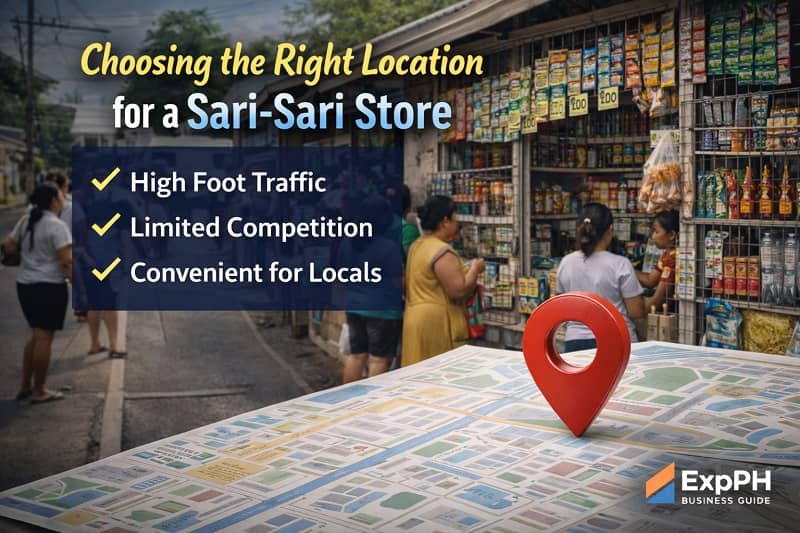
3. Choosing the Right Location for a Sari-Sari Store
Location plays a critical role when learning how to start a sari-sari store because it directly affects customer flow and daily sales. A well-placed store attracts regular buyers and increases visibility, making it easier to build a steady stream of income over time.
Ideal Locations
- Residential neighborhoods
- Near schools or transport terminals
- Areas with limited competition
- High foot traffic zones
Tips for Better Positioning
- Place your store where people pass daily
- Ensure it is clearly visible from the road
- Avoid areas already crowded with similar stores
Choosing the right location can greatly improve your store’s performance. A convenient and visible spot encourages repeat customers and impulse purchases, which are both important for increasing daily sales and maintaining consistent business growth.

4. Legal Requirements and Permits
Even a small sari-sari store must comply with basic legal requirements to operate without problems. Securing the proper permits protects your business from penalties and helps you build credibility. Following these steps early ensures smoother operations and avoids interruptions as your store begins to grow.
Basic Permits You Need
- Barangay Clearance
- Mayor’s Permit
- Business Registration with Department of Trade and Industry (DTI)
You can register your business name through the official DTI website:
https://bnrs.dti.gov.ph
Why Register Your Business
- Builds trust with customers
- Helps avoid legal issues and penalties
- Allows access to loans or supplier partnerships
Registering your sari-sari store is a simple but important step toward long-term stability. It shows professionalism and opens more opportunities for growth, especially if you plan to expand, partner with suppliers, or apply for financial support in the future.

5. What Products Should You Sell
Choosing the right products is essential for making your sari-sari store profitable. Focus on items that people buy every day to ensure steady sales. A well-balanced inventory helps you meet customer needs while reducing the risk of unsold or slow-moving products.
Fast-Moving Items
- Instant noodles
- Canned goods
- Coffee, sugar, and milk
- Snacks and biscuits
- Soft drinks and bottled water
- Cigarettes (optional, depending on your target market)
High-Profit Additions
- Load services (mobile prepaid)
- Frozen goods
- Ice candy or ice tubes
- Rice and eggs
Start with basic essentials that customers regularly need, then expand your product selection based on buying patterns. Paying attention to what sells quickly allows you to restock wisely and improve your store’s overall profitability over time.

6. How to Price Your Products
Pricing plays a major role in your sari-sari store’s success because it affects both profit and customer loyalty. Setting the right price helps you stay competitive while still earning. Balanced pricing encourages repeat buyers and keeps your store attractive compared to nearby competitors.
Simple Pricing Strategy
- Add a small markup per item (₱1 to ₱5)
- Compare prices with nearby stores
- Keep prices reasonable to retain customers
Example
- If you buy a product for ₱10, sell it for ₱12 or ₱13 depending on demand
Maintaining consistent pricing is more effective than aiming for high margins on every item. Customers value fairness and reliability, so steady pricing helps build trust, encourages repeat purchases, and supports long-term growth for your sari-sari store business.
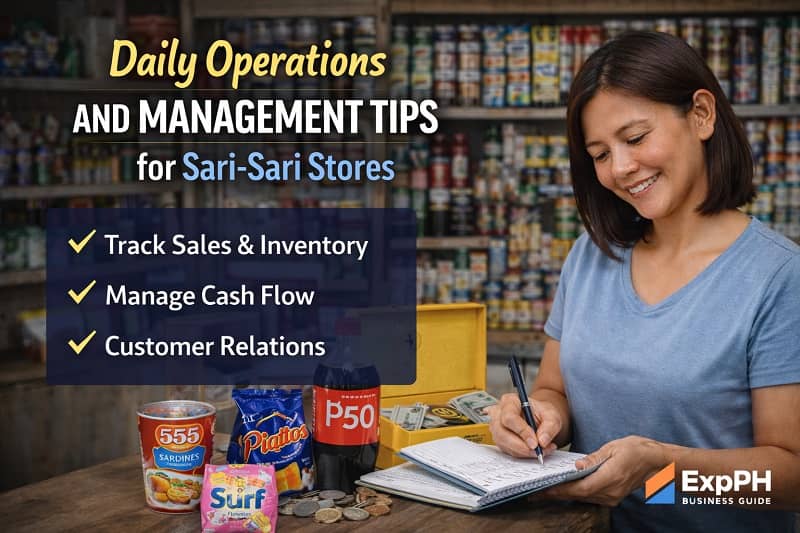
7. Daily Operations and Management Tips
Running a sari-sari store requires discipline and consistent effort to maintain steady sales and avoid losses. Daily involvement helps you understand customer behavior and product demand. Proper management also ensures smooth operations, allowing your business to grow gradually and remain stable over time.
Daily Routine
- Open early and close late if possible
- Monitor fast-selling items
- Track daily sales and expenses
Practical Tips
- Separate business money from personal funds
- Avoid excessive “utang” or credit sales
- Restock items before they run out
Good management practices help maintain control over your store’s finances and inventory. Staying organized and consistent allows you to prevent common problems, improve efficiency, and support steady business growth as your sari-sari store continues to serve your community.
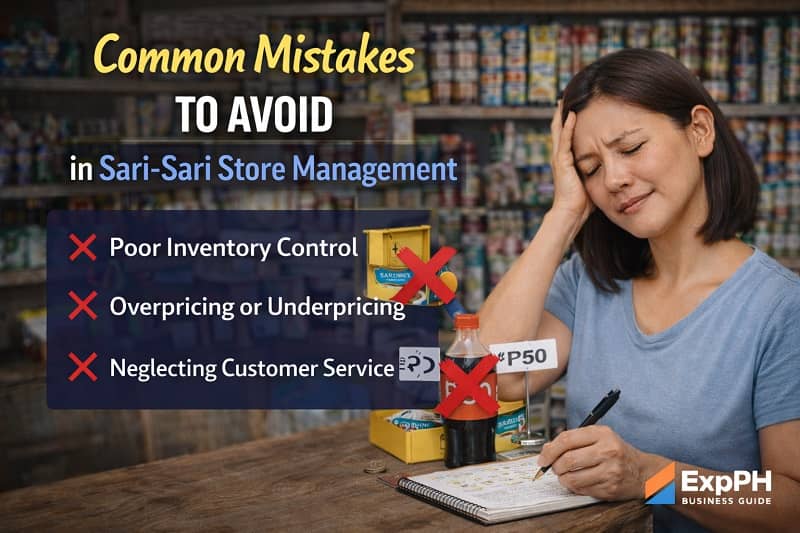
8. Common Mistakes to Avoid
Many beginners struggle when starting a sari-sari store because of simple but costly mistakes that affect profits and daily operations. Being aware of these common issues helps you make better decisions early and avoid problems that can slow down or even damage your business.
Avoid These Pitfalls
- Overstocking slow-moving items
- Poor inventory tracking
- Giving too much credit
- Ignoring competition
- Not reinvesting profits
Avoiding these mistakes can greatly improve your chances of success. Careful planning and consistent monitoring help protect your capital and maintain steady cash flow. Learning from common errors allows you to manage your store more effectively and build a stronger, more sustainable business over time.

9. How to Increase Your Daily Income
Once your sari-sari store becomes stable, the next step is to focus on increasing your daily income. Improving sales does not always require large investments. Small adjustments in products and services can help attract more customers and boost your overall earnings consistently.
Smart Growth Strategies
- Add mobile loading services
- Offer GCash or Maya payments
- Sell combo bundles or promos
- Expand product variety gradually
You can also introduce simple services like bills payment to bring in more customers and increase daily transactions. These additional offerings make your store more convenient and appealing, helping you stand out while building stronger customer loyalty within your community.

10. Is a Sari-Sari Store Profitable in 2026
A sari-sari store can be profitable in 2026 if it is managed properly and consistently. Success depends on how well you handle pricing, inventory, and customer service. With the right approach, even a small store can generate steady daily income.
Average Earnings
- Small store: ₱200 to ₱500 per day
- Medium store: ₱500 to ₱1,500 per day
- Larger store: ₱1,500+ per day
Profit levels vary based on several key factors. Location influences customer flow, pricing affects competitiveness, and consistency ensures repeat sales. By managing these areas effectively, you can improve your earnings and build a reliable source of income over time.

Final Thoughts on How to Start a Sari-Sari Store
Learning how to start a sari-sari store is a practical step if you want a simple and sustainable business in the Philippines. It is easy to start and fits well within local communities where daily essentials are always in demand, making it a reliable option for beginners.
You do not need a large amount of capital to begin this type of business. What matters most is consistency, careful product selection, and building strong relationships with your customers. Start small, track your finances properly, and reinvest your earnings to gradually expand your store and improve your inventory.
If you remain disciplined and focused on serving your customers well, your sari-sari store can become a steady source of daily income. With patience and good management, it can grow into a long-term business that supports your financial goals and provides stability for your household.
FAQs About How to Start a Sari-Sari Store
What is the minimum capital needed to start a sari-sari store?
You can start a sari-sari store with five thousand pesos, typically depending on location, product selection, and how small you begin your initial inventory overall.
Do I need permits to open a sari-sari store?
Yes, permits are required to operate legally, including barangay clearance, mayor’s permit, and business registration, which help you avoid penalties and build trust with customers.
How important is location for a sari-sari store?
Choosing a location with high foot traffic and limited competition increases your chances of daily sales, since more people can access your store for purchases.
What products sell best in a sari-sari store?
Fast-moving items like noodles, canned goods, snacks, and drinks sell best because customers buy them daily, ensuring steady turnover and consistent income for your store.
How do I price items in my store?
You should apply small markups while checking competitor prices to stay competitive, ensuring customers buying from your store without feeling that prices are too high.
Is a sari-sari store profitable?
A sari-sari store can be profitable when managed with good pricing, proper inventory control, and consistent operations that help maintain steady daily income over time.
Do I need a large capital to start?
No, you can start small and expand gradually, using profits to restock and improve your inventory, which helps reduce financial risk and supports business growth.
Should I allow credit or utang?
Limiting credit is recommended because too much utang can reduce your cash flow, making it harder to restock items and manage your store finances effectively.
How can I increase my store’s daily sales?
You can increase sales by adding services like mobile loading and digital payments, offering promos, and expanding variety based on customer demand and buying behavior.
Should I complete permits before opening my store?
You should secure permits before opening to avoid legal issues, build credibility, and ensure your sari-sari store operates smoothly within local regulations and community standards.
Want to go beyond starting a sari-sari store?
Explore our full Complete Guide to Starting a Business in the Philippines (Registration, Costs, and Steps 2026) to understand the complete process, from registration and legal requirements to budgeting and long term growth.
Related Guides:
- How to Start a Food Cart Business in the Philippines (Step-by-Step)
- How to Start an Online Selling Business in the Philippines (Shopee, Lazada, and Facebook)
- How to Register a Sari-Sari Store Business in the Philippines (DTI, Barangay, BIR Requirements)
- Total Cost to Start a Sari-Sari Store in the Philippines (Breakdown 2026)
Sari-Sari Store Beginner Quiz (Philippines 2026 Guide)
Test your understanding of how to start a sari-sari store in the Philippines. This quick quiz will help reinforce key concepts from planning and capital to operations and profitability.
Results


#1. What is a key benefit of a sari-sari store?
#2. What is the minimum startup capital?
#3. Which permit is required?
#4. Where is the best location?
#5. What product sells fast?
#6. What is a good pricing strategy?
#7. What should you avoid?
#8. How can you increase income?
#9. What affects profitability?
#10. What is a good practice?
Thanks for taking the quiz
Feel free to share your score or experience in the comments. Your insights may help others who are starting their own sari-sari store journey.

A Filipino web developer with a background in Computer Engineering. Founder of ExpPH Blog and ExpPH Business Guide, two Philippines-focused platforms covering OFW guidance, business, finance, freelancing, travel, and lifestyle. Passionate about helping Filipinos grow, he creates practical content that educates, empowers, and inspires readers nationwide.