
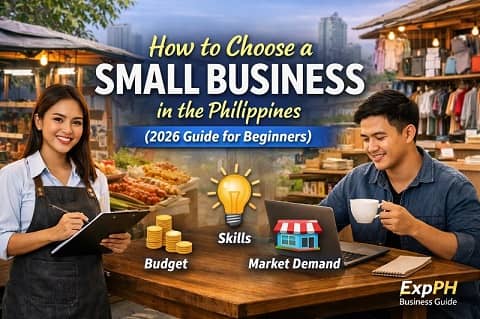
Starting a business is one of the most practical ways to build long-term financial stability in the Philippines. Whether you are an aspiring entrepreneur, a returning OFW, or someone looking for extra income, understanding how to choose a small business in the Philippines is a crucial first step. A clear decision early on can improve your chances of building a sustainable and profitable venture.
Many people fail not because they lack effort, but because they choose the wrong business from the beginning. Without proper planning, even hard work may not lead to success. This guide will help you make a smart, realistic, and profitable decision based on your current situation, available budget, and long-term goals, so you can start with confidence.
Not sure which business is the easiest to start?
One of the most beginner-friendly options today is online selling.
How to Start an Online Selling Business in the Philippines
Learn how to start with low capital using platforms like Shopee, Lazada, and Facebook.
Table of Contents
10 Smart Ways to Choose a Small Business in the Philippines
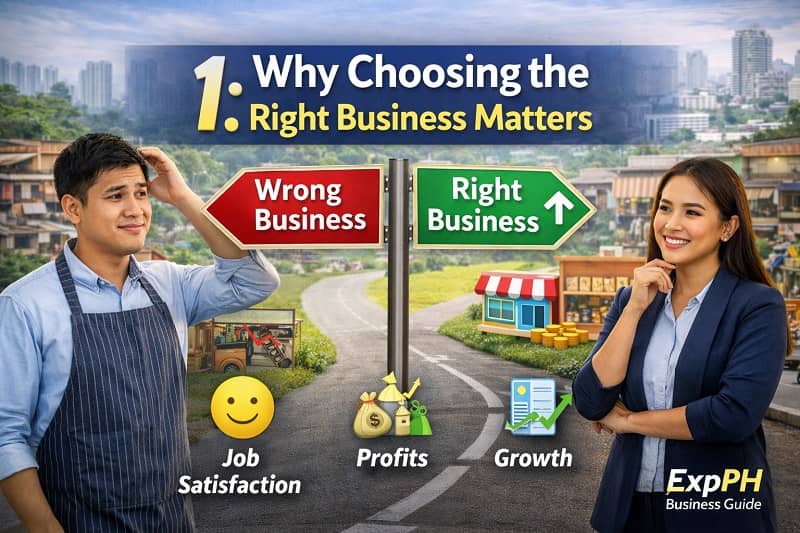
1. Why Choosing the Right Business Matters
Before investing your money, understand that not all businesses offer the same potential. Choosing wisely helps you avoid costly mistakes and increases your chances of long-term success. Learning how to choose a small business in the Philippines allows you to make decisions based on reality, not guesswork.
A good business choice can:
- Generate steady income
- Grow over time
- Match your skills and lifestyle
A poor choice can:
- Drain your savings
- Cause stress and burnout
- Fail within months
That is why learning how to choose a small business in the Philippines is not just helpful, it is necessary for building a stable and sustainable future.
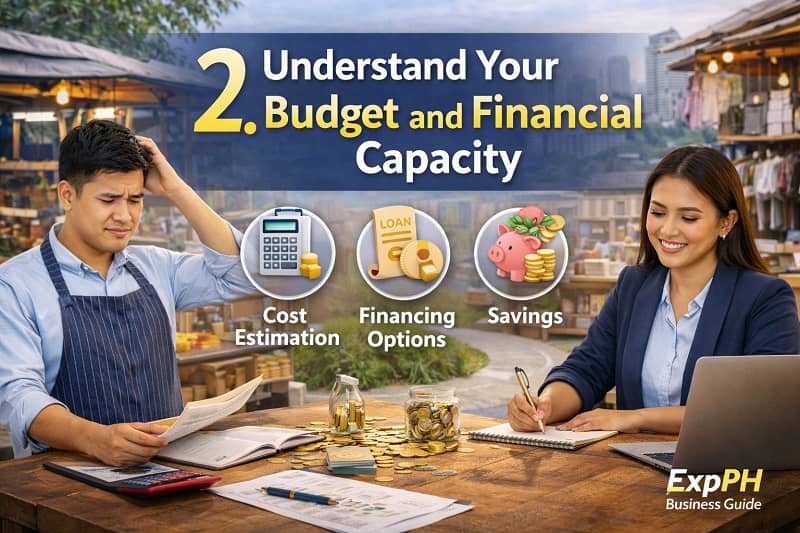
2. Understand Your Budget and Financial Capacity
Choosing the right business starts with a clear understanding of your finances. Before making any decision, you need to assess how much you can invest, how much risk you can handle, and how long you can sustain the business without steady income.
Start With What You Can Afford
One of the most common mistakes Filipinos make is starting a business beyond their financial capacity. Begin with a realistic budget to reduce risk and stress. Understanding how to choose a small business in the Philippines starts with knowing what you can safely afford.
Ask yourself:
- How much capital do I really have
- Do I have emergency savings
- Can I survive if the business does not earn for 3 to 6 months
If your capital is limited, consider:
- Online selling
- Food carts
- Service-based businesses
Avoid Debt at the Beginning
Avoid taking loans when starting a business if possible. Many small businesses struggle in the early stages, and debt can add unnecessary pressure. Focus on low-risk options first while building experience and steady income before considering any form of borrowing.
If you need funding, explore government-backed programs from the Department of Trade and Industry:
https://www.dti.gov.ph
They provide training, support, and financing options designed to help small entrepreneurs start and grow their businesses responsibly.

3. Identify Your Skills and Strengths
Choosing a business that fits your abilities increases your chances of success and reduces costly mistakes. When learning how to choose a small business in the Philippines, your skills and experience should guide your decision instead of trends or assumptions.
Build Around What You Know
A practical approach is to build your business around skills you already have. This helps you start faster and operate with confidence. It also reduces the need for training and lowers the risk of early failure in your business journey.
Examples:
- Good at cooking → food business
- Tech-savvy → online services or freelancing
- Sales experience → retail or reselling
Using your strengths allows you to work efficiently while increasing your chances of long-term success.
Consider Your Experience as an OFW
If you have worked abroad, you already gained valuable skills that can be turned into a business. Many OFWs overlook this advantage when returning to the Philippines. Your experience can help you choose a practical and profitable business path.
Examples:
- Customer service
- Technical work
- Hospitality
- Construction
Use these strengths as your foundation when deciding how to choose a small business in the Philippines and build something sustainable.

4. Study Market Demand in Your Area
Understanding local demand helps you choose a business that people actually need. When learning how to choose a small business in the Philippines, focus on solving real problems in your community instead of following trends that may not last or work in your area.
Look for Real Needs, Not Trends
Avoid starting a business just because it is trending online. Popular ideas do not always succeed locally. Focus on daily needs and common problems in your area to increase your chances of building a stable and profitable business.
Ask yourself:
- What do people in my area need daily
- What problems can I solve
- What services are lacking nearby
Examples of high-demand businesses in the Philippines:
- Convenience stores or mini groceries
- Water refilling stations
- Food delivery or carinderia
- Online reselling
Observe Your Local Community
Take time to observe your barangay or city before deciding. Watch how people spend, where they go, and what services they use regularly. This gives you real insights that help you make better business decisions.
Look for:
- Businesses that are always busy
- Businesses that are missing
- Common complaints from customers
This approach is one of the most practical ways to learn how to choose a small business in the Philippines effectively.
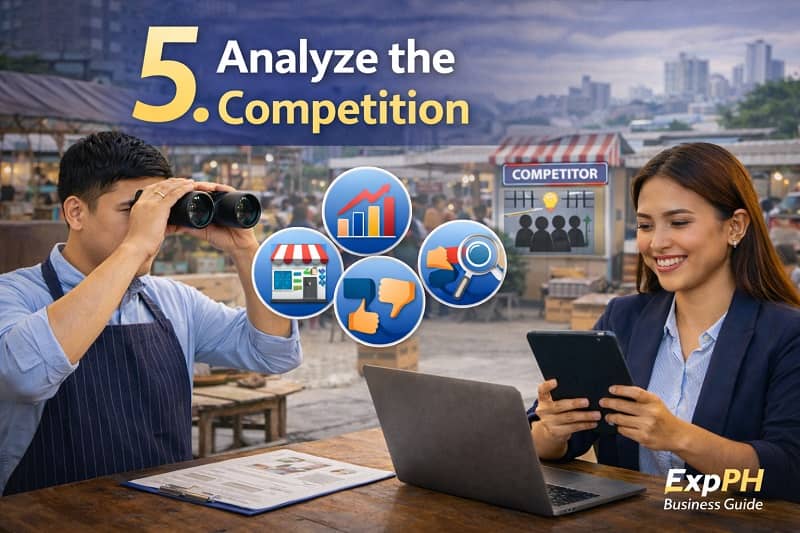
5. Analyze the Competition
Studying your competition helps you understand what works and where you can improve. When learning how to choose a small business in the Philippines, analyzing existing businesses allows you to position yourself better and avoid common mistakes that lead to failure.
Competition Is Not Always Bad
Having many competitors usually means there is strong demand in your area. Instead of avoiding competition, focus on how you can improve your offer and attract customers by providing better value and a more convenient experience.
You can stand out by:
- Offering better service
- Improving product quality
- Providing convenience such as delivery or online ordering
Find Your Unique Selling Point
To succeed, you need a clear reason why customers should choose your business. Identify what makes you different and how you can deliver more value compared to others in your market.
Ask yourself:
- What can I do better or differently
- Can I offer lower prices or better value
- Can I target a specific niche
Example:
Instead of a general food business, focus on budget meals for students or healthy meals for office workers to attract a specific market.
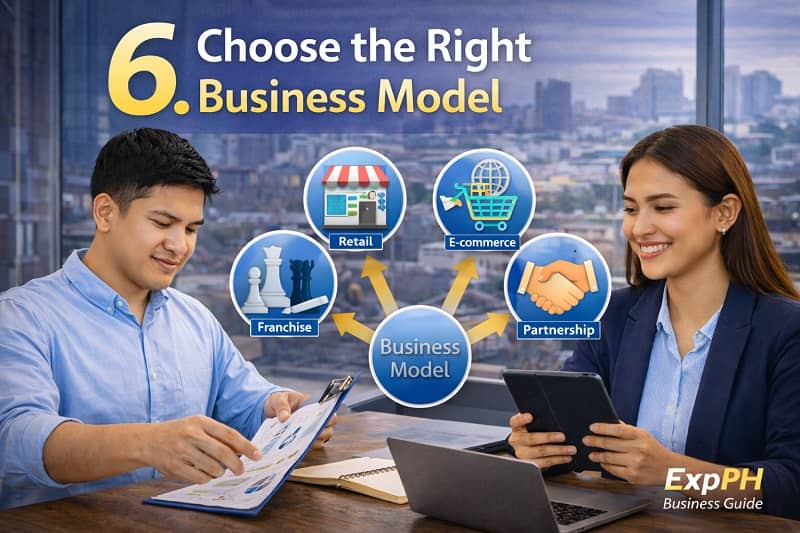
6. Choose the Right Business Model
Selecting the right business model affects how you operate, earn, and grow. When learning how to choose a small business in the Philippines, decide whether you want a physical setup, an online presence, or a combination that fits your budget and target market.
Traditional vs Online Business
You need to decide how your business will operate based on your resources and goals. Each model has its own advantages, and choosing the right one can help you manage costs while reaching your target customers effectively.
Traditional Business
- Physical store
- Higher capital
- More stable local presence
Online Business
- Lower startup cost
- Flexible location
- Scalable
Hybrid Model (Best Option in 2026)
Many successful businesses combine traditional and online methods to maximize growth. This approach allows you to serve both walk-in and digital customers, increasing your chances of consistent income and long-term success in a competitive market.
Examples:
- Physical store with online orders
- Social media marketing with walk-in customers
This model increases your reach and improves your income potential over time.
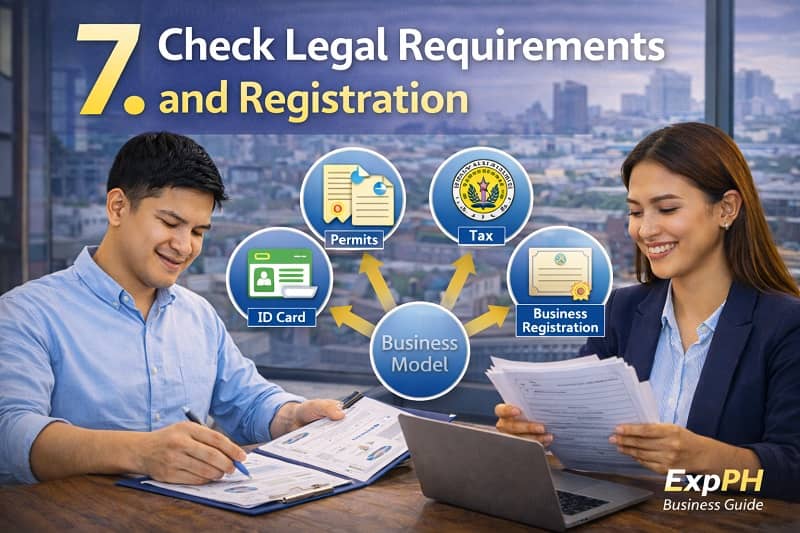
7. Check Legal Requirements and Registration
Understanding legal requirements is essential when starting a business in the Philippines. Proper registration protects your operations and builds credibility. When learning how to choose a small business in the Philippines, compliance ensures long-term stability and helps you avoid legal issues that can disrupt growth.
Register Your Business Properly
To operate legally, you must complete the required registrations before opening your business. This process may take time, but it ensures your business is recognized and allowed to operate within your local area and industry.
You need:
- Business name registration through the Department of Trade and Industry or SEC
- Barangay clearance
- Mayor’s permit
- BIR registration
You can start your registration through the official DTI website:
https://bnrs.dti.gov.ph
Why Legal Registration Matters
Registering your business gives you important advantages that support long-term growth. It helps establish trust with customers and partners while protecting your business from legal risks that may arise from operating without proper permits.
Benefits include:
- Builds customer trust
- Allows you to expand
- Avoids penalties or closure
This step is essential when learning how to choose a small business in the Philippines, especially if you aim for sustainable growth.
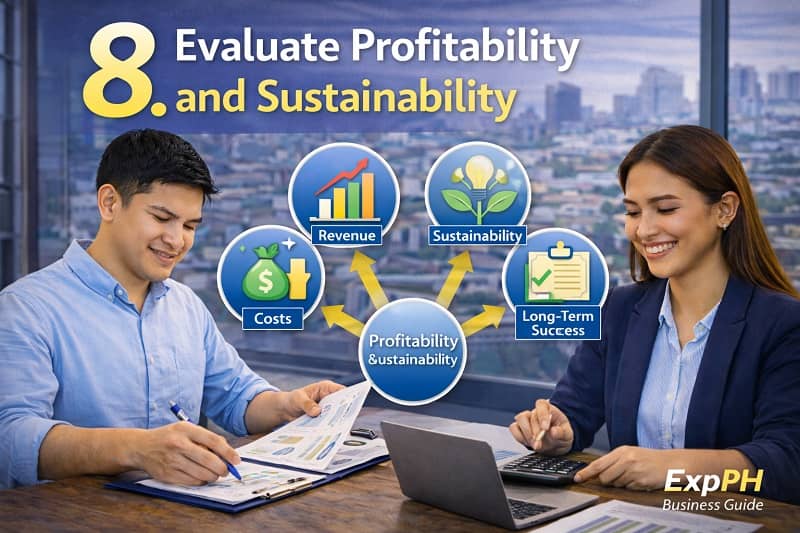
8. Evaluate Profitability and Sustainability
Evaluating profitability helps you choose a business that can survive and grow over time. When learning how to choose a small business in the Philippines, focus on income stability and long-term demand instead of short-term gains that may not last.
Do Simple Profit Calculations
Before starting, estimate your potential earnings and expenses to understand if the business is viable. Basic calculations can help you avoid losses and prepare for financial challenges during the early stages of your business.
Estimate:
- Monthly expenses
- Expected income
- Break-even point
Ask yourself:
- Will this business earn consistently
- Is it seasonal or stable year-round
Focus on Sustainable Income
Choose a business that generates regular income and serves ongoing needs. Sustainable businesses are more reliable and less affected by changing trends, making them ideal for long-term financial stability and growth.
Look for businesses that:
- Have repeat customers
- Provide daily or weekly income
- Are not dependent on trends
Examples:
- Food and essentials
- Repair services
- Basic needs businesses
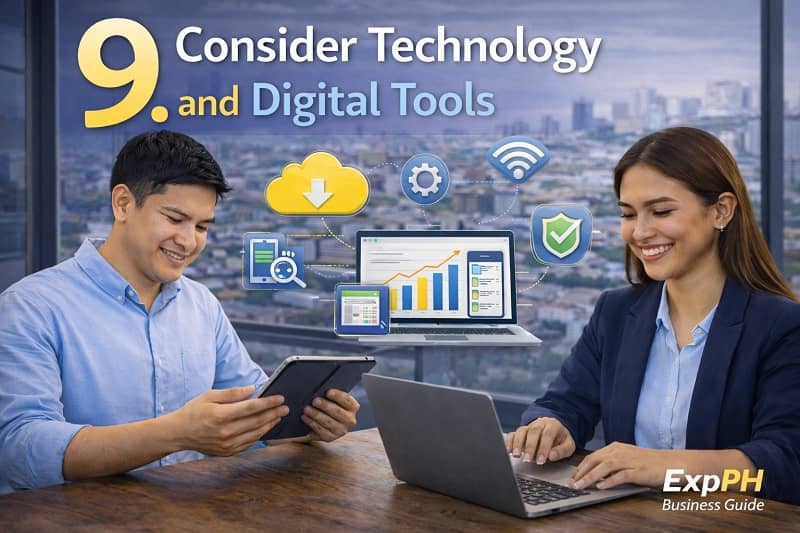
9. Consider Technology and Digital Tools
Using technology is essential for business growth in today’s digital environment. When learning how to choose a small business in the Philippines, integrating simple digital tools can help you reach more customers, improve operations, and stay competitive in a fast-changing market.
Use Technology to Your Advantage
Businesses that use digital platforms can grow faster and operate more efficiently. Technology allows you to promote your products, connect with customers, and accept payments easily without needing a large physical setup or high operating costs.
You can use:
- Facebook Marketplace
- TikTok for marketing
- GCash or Maya for payments
Improve Efficiency
Simple digital tools can make your business more organized and efficient. These tools help you manage daily operations, reduce errors, and save time, allowing you to focus more on serving customers and growing your business.
You can use:
- Inventory apps
- Online booking systems
- Delivery platforms
This is where Technology Philippines plays a key role in supporting your business success and long-term growth.
10. Common Mistakes to Avoid
Avoiding common mistakes can protect your capital and improve your chances of success. When learning how to choose a small business in the Philippines, focus on careful planning and realistic decisions instead of rushing into opportunities that may not match your situation or long-term goals.
Common mistakes to avoid:
- Starting without research
- Copying others without a plan
- Ignoring your budget
- Choosing based on hype
- Not understanding your target market
Avoiding these mistakes helps you save time, reduce financial risk, and build a more stable and sustainable business.

Final Thoughts on How to Choose a Small Business in the Philippines
Choosing the right business is not based on luck but on informed and practical decisions. When you take time to evaluate your situation, you reduce risks and improve your chances of long-term success. Learning how to choose a small business in the Philippines helps you build a strong and reliable foundation.
Focus on understanding:
- Your budget
- Your skills
- Your market
- Your long-term goals
When these factors are clear, you can make better decisions and avoid costly mistakes. Learning how to choose a small business in the Philippines is the first step toward building stable income and a more secure future with confidence.
FAQs About How to Choose a Small Business in the Philippines
1. What is the first step in choosing a small business in the Philippines?
Choose based on your budget, skills, and market demand. Focus on businesses that solve real problems and provide consistent income in your local community today.
2. How much capital do I need to start a small business?
The required capital depends on your chosen business. Start with what you can afford, avoid debt, and prioritize low-cost options that match your financial capacity and experience.
3. Why is market research important before starting a business?
Market research helps you understand customer needs, competition, and demand. It allows you to make informed decisions and avoid starting a business that lacks customers or growth potential.
4. Should I choose a business based on trends?
Choosing based on trends alone is risky. Focus on long-term demand and practical needs instead, ensuring your business remains stable even when trends change or lose popularity.
5. How do I know if a business is profitable?
Estimate your expenses, expected income, and break-even point. A profitable business should generate consistent earnings and cover costs while allowing room for growth and savings.
6. Is it better to start an online or physical business?
Both options have advantages. Online businesses require less capital, while physical stores offer local presence. A hybrid model often provides better reach and income opportunities.
7. What legal requirements are needed to start a business in the Philippines?
You need business name registration, barangay clearance, mayor’s permit, and BIR registration. Completing these ensures legal operation and builds trust with customers and partners.
8. How can OFWs choose the right business when returning home?
OFWs should use their work experience and skills as a guide. Choosing a familiar industry helps reduce risks and increases the chances of building a successful business.
9. What are common mistakes when starting a small business?
Common mistakes include lack of research, poor budgeting, copying others without strategy, and ignoring market demand. Avoiding these helps prevent losses and improves long-term success.
10. How can technology help small businesses grow in the Philippines?
Technology helps businesses reach more customers, improve operations, and accept digital payments. Using simple tools can increase efficiency and support steady growth in a competitive market.
Ready to Start Your Business in the Philippines?
Choosing the right business is just the first step. If you want a complete walkthrough on registration, costs, and legal requirements, read our full guide: Complete Guide to Starting a Business in the Philippines (Registration, Costs, and Steps 2026)
Related Guides:
- How to Start a Sari-Sari Store in the Philippines (Complete 2026 Beginner Guide)
- How to Start a Water Refilling Station in the Philippines (Costs + Requirements)
- How to Start a Milk Tea Business in the Philippines (Beginner-Friendly Guide)
- How to Start a Laundry Business in the Philippines (Setup + ROI Guide)
- How to Start a Food Cart Business in the Philippines (Step-by-Step)
- How to Start a Small Restaurant or Carinderia in the Philippines
Learning Hub Quiz!
Test your knowledge and see how well you understand the key steps in choosing the right small business in the Philippines. This quick quiz will help reinforce practical concepts and guide better decision-making.
Results


#1. What is the first step in choosing a business?
#2. Why is budget important in business selection?
#3. Which is a low-capital business option?
#4. What should guide your business choice?
#5. Why study market demand?
#6. What does strong competition indicate?
#7. Which business model is scalable?
#8. What is required for legal operation?
#9. What defines a sustainable business?
#10. How can technology help businesses?
How did you do?
Share your score or experience in the comments and let others learn from your journey. Your insights can help future entrepreneurs make better decisions.

A Filipino web developer with a background in Computer Engineering. Founder of ExpPH Blog and ExpPH Business Guide, two Philippines-focused platforms covering OFW guidance, business, finance, freelancing, travel, and lifestyle. Passionate about helping Filipinos grow, he creates practical content that educates, empowers, and inspires readers nationwide.